How to Choose the Best Drying Equipment for Your Needs?
Choosing the right drying equipment can profoundly impact your business's efficiency. According to Dr. Emily Turner, a renowned expert in thermal processing, “Selecting the right drying equipment is crucial for optimizing production and ensuring product quality.” This insight emphasizes how essential it is to understand the specific needs of your operation.
When evaluating options, consider the materials you'll be drying. Different products require different drying methods. Some might need low-temperature settings, while others may demand rapid moisture removal. Failing to match equipment to material could lead to loss of quality.
Understanding your drying needs is a complex task. Factors like energy consumption and equipment cost add layers to the decision-making process. What works for one industry might not be suitable for another. This creates challenges in finding the most efficient solution. It's crucial to engage in thorough research and possibly consult industry experts to navigate this complexity.
Understanding Different Types of Drying Equipment Available in the Market
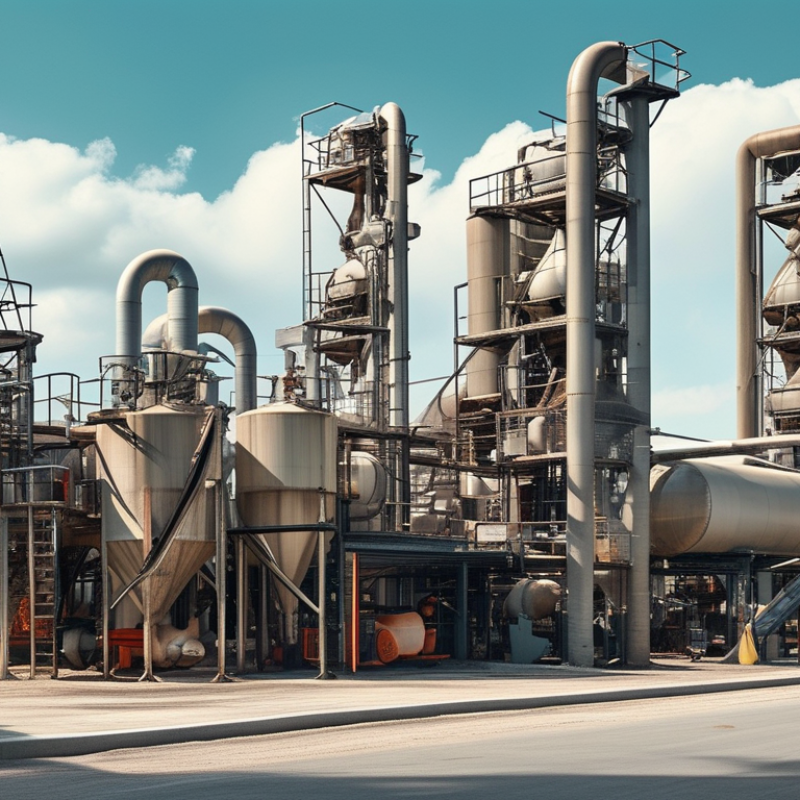
When selecting drying equipment, understanding the available types is crucial. Common categories include convection dryers, vacuum dryers, and microwave dryers. According to industry reports, convection dryers are widely used due to their efficiency and versatility. They utilize hot air to remove moisture from materials, making them suitable for various applications.
Vacuum dryers are adept at handling heat-sensitive materials. They operate under reduced pressure, enabling lower drying temperatures. This method reduces the risk of damaging sensitive products. Data shows a growing interest in this technology, as industries seek to preserve the integrity of their materials during the drying process.
For optimal results, consider the following tips. Evaluate your specific drying needs carefully. Different materials require different drying methods. Conducting thorough research can help identify the right equipment. Do not overlook energy consumption. Energy-efficient models can significantly lower operational costs over time. Additionally, prioritize equipment reliability; the initial investment should correspond with long-term performance and durability.
Evaluating Your Specific Drying Needs and Requirements
Evaluating your specific drying needs is crucial for selecting the right equipment. Different materials require varying drying methods. For instance, food products may need gentle drying to maintain nutritional value, while industrial materials can withstand higher temperatures. Understanding the specifics of what you need to dry helps narrow down your options effectively.
Consider the size of your operation. A small bakery might require compact, efficient dryers. On the other hand, a manufacturing facility will need larger systems with higher capacity. A careful assessment of your workflow will ensure you do not under or over-invest in equipment.
Don't forget to consider energy consumption and cost-effectiveness. The cheapest option may not always be the best long-term investment. It's essential to balance initial costs with potential savings in energy and maintenance over time. Reflect on how often you use the equipment as well. Choosing the right drying equipment can be challenging, and it may require some trial and error to find what truly suits your needs.
Key Features to Look for in Drying Equipment
When choosing drying equipment, consider essential features that enhance efficiency and usability. One key element is the drying method.
Different methods include convection, conduction, and radiation. Each has its advantages, depending on the materials you need to dry. Understanding how these methods work helps in selecting the right equipment.
Temperature control is another critical feature. Precise temperature regulation ensures even drying. This prevents overheating and damage to materials.
Adjustable settings allow flexibility for various products. Moreover, energy efficiency is vital in today’s market. Look for equipment that minimizes energy consumption while maintaining performance.
Ease of maintenance cannot be overlooked. Equipment that requires frequent servicing can lead to downtime. Users often overlook this aspect until it becomes an issue.
It's beneficial to have features that simplify cleaning and upkeep. Additionally, consider the equipment's size and capacity. It should fit your space and meet your production needs efficiently. Balancing all these factors may take time, but it leads to better decision-making.
Cost Considerations and Budgeting for Drying Solutions
Selecting the right drying equipment requires careful budgeting, as costs can vary widely. Industry reports show that investment can range from a few thousand to over fifty thousand dollars, depending on the technology and capacity. For example, a basic industrial dryer might cost around $10,000, while advanced systems with automation can soar to $100,000. Understanding total cost of ownership is essential, including maintenance and energy costs, which can significantly add to long-term expenses.
When planning your budget, consider hidden expenses. Installation, training, and the necessary facilities for operation should be included in your calculations. It's essential to evaluate the drying capacity you need compared to what different models offer. A larger system might seem efficient but can lead to unnecessary overhead if not matched to your production requirements.
Recognizing your specific needs before making a purchase is vital. Many buyers misjudge their requirements. They may opt for larger equipment, leading to wasted energy and resources. A preliminary assessment of your volume can guide you towards the most suitable and cost-effective solution. Always weigh the specs against your operations to ensure you make a well-informed decision.
Maintenance and Longevity Factors for Drying Equipment Selection
When selecting drying equipment, maintenance and longevity are critical factors. Regular cleaning of the components ensures optimal performance. For example, dust accumulation on filters can significantly reduce efficiency. Schedule routine inspections to detect wear and tear early. Ignoring these small issues can lead to more significant problems down the line.
Consider the availability of replacement parts when making your choice. Some machines have limited support, making repairs challenging. A device that seems cheap upfront may incur high costs over time if it lacks accessible components. Employee training also plays a role in maintenance. Clear guidelines can prevent misuse and extend equipment lifespan.
It's essential to evaluate the ease of maintenance too. Some machines are user-friendly, while others require specialized skills for repairs. Complexity can lead to frustration and lower productivity. In seeking durability, weigh the operational demands against the equipment’s required upkeep. A machine that is too robust could be overkill for your needs. This subtle balance affects efficiency and costs, urging reflection on what works best for you.
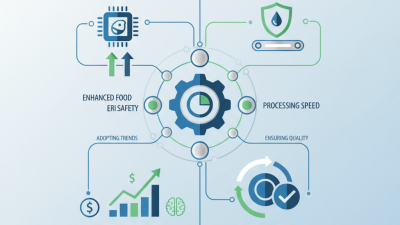
Drying Equipment Selection Factors