- Food processing equipment
Applications
Products
- Washing & drying systems
- Service
Menu
Menu
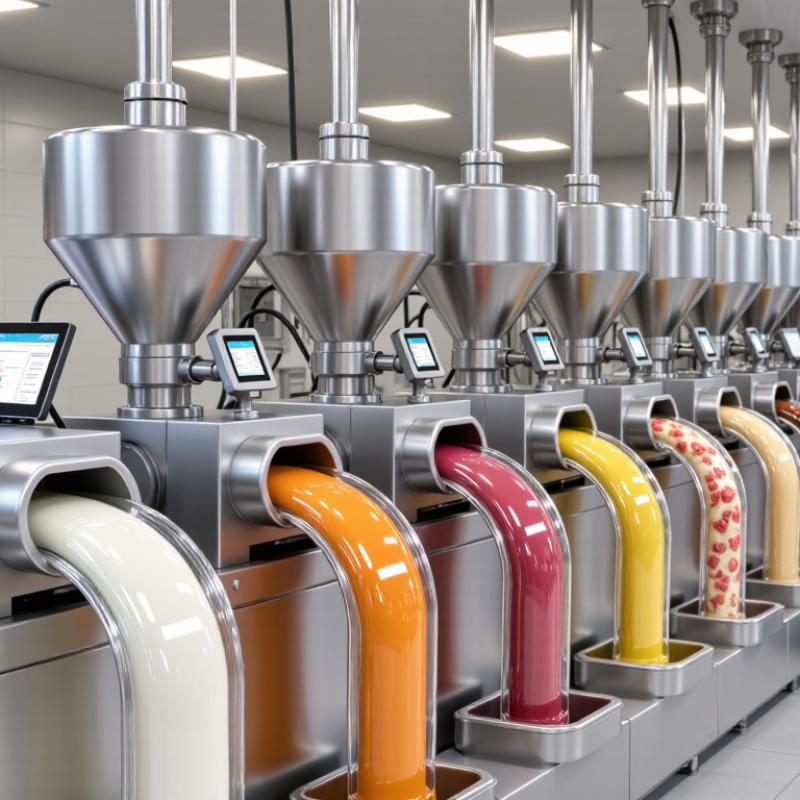
Choosing food processing pumps in 2026 requires more than comparing flow rates and purchase prices. Pumps handle milk, sauces, oils, beverages, powders, and delicate products. Each application creates different demands on hygiene, pressure, temperature, and product texture. A pump that performs well with water may damage yogurt or struggle with thick fruit filling.
Real plant experience shows that small details often decide performance. Consider the product’s viscosity, solids content, shear sensitivity, and required transfer distance. Check whether the pump supports effective cleaning in place, or CIP, without hidden residue areas. Stainless steel construction, hygienic connections, suitable elastomers, and reliable surface finishes also matter. The correct seal can prevent leaks during hot-water cleaning and reduce unexpected downtime.
No pump is perfect. A spreadsheet can mislead. Lower energy use may come with higher maintenance costs, while a cheaper unit may shorten product life through excessive shear. Operators should review cleanability, spare-part access, noise, controls, and supplier support before approving a model. Independent certifications and documented testing can strengthen confidence, but they should not replace site-specific trials. When possible, test the pump using the actual product, temperature, and cleaning cycle. That practical step can reveal foaming, pressure loss, or difficult drain points before installation. This guide examines how to choose food processing pumps with clearer technical judgment, realistic operating data, and room for careful reassessment.
How to Choose Food Processing Pumps in 2026?
Define Duty: Flow, Head, Viscosity, and 1.5–2.0 m/s CIP Velocity
Pump selection starts with a measured duty, not a catalogue shortcut. Record required flow, total dynamic head, product temperature, and viscosity at operating conditions. A sauce may thicken sharply after cooling. That change can alter pressure, power, and cleaning performance.
Size the CIP circuit separately from production. For turbulent cleaning, target a line velocity of 1.5–2.0 m/s, then calculate flow from the pipe’s internal diameter. Include valves, bends, filters, heat exchangers, and elevation in the head calculation. A small pipe can reach velocity quickly. It can also create excessive pressure loss. Check the actual internal diameter, not only the nominal pipe size.
Use verified process data where possible. Compare the pump curve with the real duty point, including viscosity correction and expected wear. Ask whether the pump handles air release, particulates, or delicate emulsions without damaging the product. Hygienic construction, drainability, seal selection, and cleanable surfaces also matter. They are not optional details.
Field checks expose weak assumptions. Measure flow, suction pressure, discharge pressure, and motor load during commissioning. A clean spreadsheet can still mislead. We often underestimate viscosity changes. Leave a practical adjustment margin, but avoid oversized pumps that throttle constantly. That wastes energy and may complicate control. Document every assumption for the next operator.
Practical duty-definition guide for hygienic liquid transfer, product pumping, and clean-in-place (CIP) system sizing.
| Process Duty | Typical Product | Design Flow | Total Dynamic Head | Product Viscosity | Product Temperature | Recommended CIP Velocity | Pump Selection Direction | Key Design Considerations |
|---|---|---|---|---|---|---|---|---|
| Milk Transfer | Milk, whey, liquid dairy base | 10–40 m³/h | 15–35 m | 1.5–3 mPa·s | 2–10 °C | 1.5–2.0 m/s | Hygienic centrifugal pump with low-shear impeller geometry | Use gradual acceleration, avoid excessive suction lift, and verify that the selected operating point remains away from cavitation conditions. |
| Yogurt Transfer | Stirred yogurt, cultured dairy products | 5–25 m³/h | 15–30 m | 2,000–20,000 mPa·s | 4–25 °C | 1.5–2.0 m/s | Positive displacement pump, normally with variable-speed control | Lower shear and controlled speed help protect texture. Confirm elastomer compatibility and account for viscosity changes with temperature. |
| Cream and Concentrated Dairy | Cream, condensed milk, dairy concentrates | 3–20 m³/h | 20–40 m | 50–5,000 mPa·s | 4–60 °C | 1.5–2.0 m/s | Positive displacement pump with jacket or temperature-control provisions where required | Size the drive for the highest operating viscosity and include pressure protection on the discharge side. |
| Fruit Juice and Beverage | Juice, flavored water, liquid beverage | 15–80 m³/h | 20–50 m | 1–10 mPa·s | 2–90 °C | 1.5–2.0 m/s | Hygienic centrifugal pump; multistage arrangement may be used for higher heads | Check gas entrainment, dissolved-air release, and the effect of hot-fill or pasteurization temperatures on seal materials. |
| Tomato Sauce and Puree | Tomato puree, sauce, vegetable puree | 5–35 m³/h | 20–45 m | 500–20,000 mPa·s | 20–95 °C | 1.5–2.0 m/s | Positive displacement pump for viscous or particulate products | Evaluate particle size, solids concentration, shear sensitivity, and the possibility of product settling during stoppages. |
| Edible Oil Transfer | Vegetable oil, cooking oil, liquid fat | 5–50 m³/h | 15–40 m | 20–150 mPa·s | 20–80 °C | 1.5–2.0 m/s | Positive displacement or hygienic centrifugal pump, depending on viscosity and flow | Consider heating or insulated pipework for high-melting fats. Prevent air ingress and select seals suitable for the oil and cleaning chemicals. |
| Chocolate and Fat-Based Filling | Chocolate, compound coating, fat-based filling | 1–15 m³/h | 20–50 m | 2,000–100,000 mPa·s | 30–50 °C | 1.5–2.0 m/s | Jacketed positive displacement pump with low-speed operation | Maintain temperature above the product solidification point, minimize dead legs, and size the motor for start-up viscosity. |
| Brine and Liquid Seasoning | Brine, marinades, liquid seasoning | 5–40 m³/h | 15–35 m | 1–20 mPa·s | 5–80 °C | 1.5–2.0 m/s | Hygienic centrifugal pump with corrosion-resistant wetted materials | Check chloride concentration, temperature, conductivity, and compatibility of stainless-steel surfaces and elastomers. |
| CIP Supply Circuit | Alkaline detergent, acid solution, rinse water | 10–100 m³/h | 25–60 m | 1–5 mPa·s | 20–85 °C | 1.5–2.0 m/s | High-flow hygienic centrifugal pump sized for the most restrictive circuit | Calculate pipe velocity from actual internal diameter. Include return-line losses, spray devices, heat exchangers, valves, and elevation. |
| Powder Reconstitution | Milk powder, beverage powder, liquid premix | 10–60 m³/h | 20–45 m | 2–500 mPa·s | 20–70 °C | 1.5–2.0 m/s | Centrifugal pump for low viscosity; positive displacement pump for concentrated premix | Provide adequate mixing and deaeration. Verify that the pump does not create excessive foam or cause powder agglomeration. |
| Particulate Food Product | Soups, fruit pieces, vegetable pieces, prepared foods | 5–30 m³/h | 15–40 m | 100–10,000 mPa·s | 20–95 °C | 1.5–2.0 m/s | Low-shear positive displacement pump with enlarged passages | Size passages for the largest particle, reduce sharp bends, and confirm that the product will not bridge or settle in the pipework. |
| High-Temperature Process Transfer | Hot syrup, pasteurized liquid, thermal process fluid | 5–50 m³/h | 20–55 m | 2–2,000 mPa·s | 80–150 °C | 1.5–2.0 m/s | Temperature-rated hygienic pump with appropriate mechanical seal arrangement | Check vapor pressure, NPSH available, thermal expansion, seal cooling, and the effect of hot cleaning cycles on materials. |
Flow: Select the pump around the required operating flow, then verify the minimum and maximum production rates.
Head: Total dynamic head should include static elevation, pipe friction, valves, heat exchangers, filters, filling equipment, and the required discharge pressure.
Viscosity: Use the highest expected operating viscosity, especially during start-up, low-temperature operation, or product changeover.
CIP velocity: A line velocity of approximately 1.5–2.0 m/s is commonly used as a design target for effective turbulent cleaning, subject to the validated cleaning procedure and equipment geometry.
Important: Final pump sizing should be confirmed using actual pipe dimensions, product rheology, temperature, solids content, NPSH data, cleaning chemistry, and the validated process requirements.