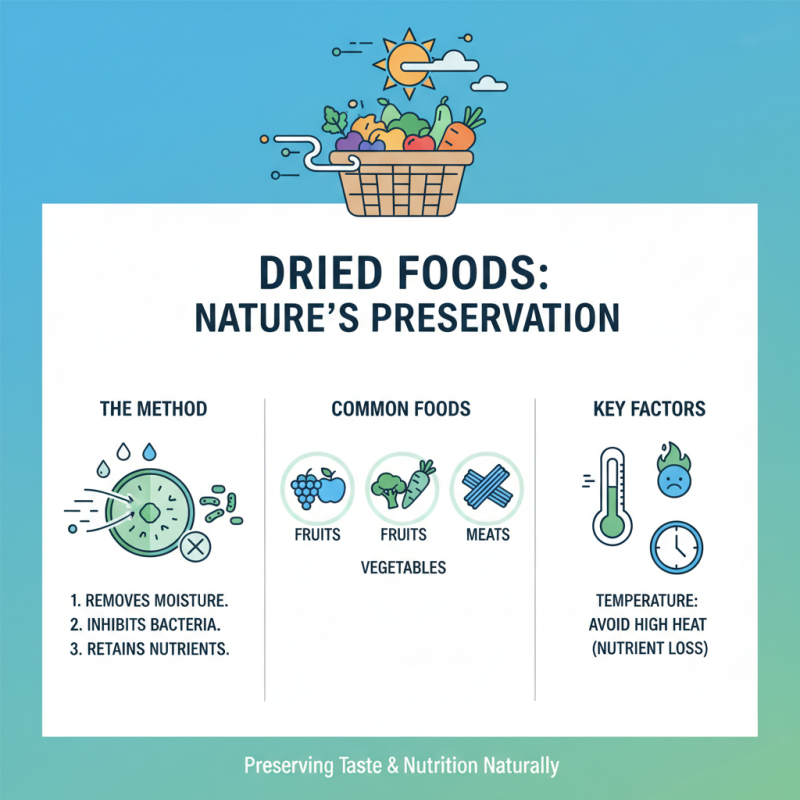
What is Drying Food and How Does It Preserve Nutritional Value?
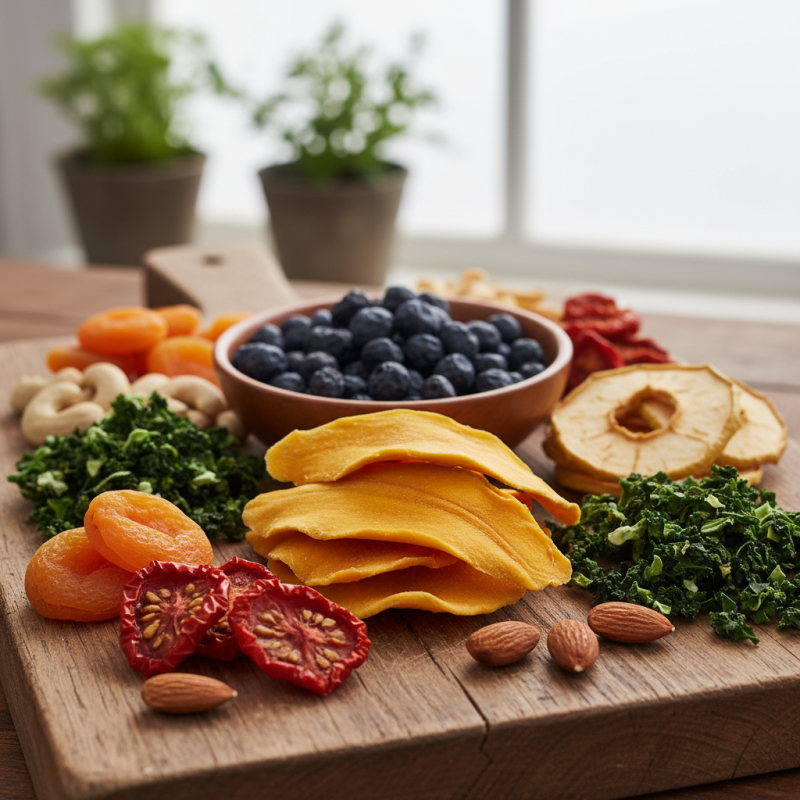
Drying food is an ancient preservation method. It removes moisture, making it harder for bacteria to thrive. This process retains most of the food's nutritional value. When fruits and vegetables are dried, their flavors become concentrated. Imagine biting into a dried mango; it bursts with sweetness.
While drying food is effective, not all vitamins survive. Water-soluble vitamins can diminish during this process. Still, minerals often remain intact. This duality invites reflection on the balance between convenience and nutrition.
Dehydrated foods can simplify meal preparation. They are lightweight, portable, and have a long shelf life. However, the texture can be different. Some may find dried foods less appealing compared to fresh options. In essence, drying food offers both benefits and challenges in preserving what we eat.
What is Food Drying and Its Historical Significance
Food drying has a rich history that dates back thousands of years. Ancient civilizations, from the Egyptians to the Chinese, used this technique. They understood that removing moisture could help preserve food. Sunlight was their main tool. This method was labor-intensive, yet it paid off. Dried fruits and meats provided essential nutrition during harsh winters.
The process has evolved, but the essence remains the same. Drying food reduces weight and volume, making storage easier. People preserved their harvests for survival. They relied on dried foods in times of famine or travel. The taste of dried fruits differs from fresh ones. It's often sweeter and more concentrated. Some may find it too intense. Yet, it's a way to enjoy seasonal flavors year-round.
Many cultures still practice food drying today. Methods vary, from air drying to using modern dehydrators. However, not every method is perfect. Some nutrients may be lost, altering the food’s value. Despite these imperfections, dried food remains a staple. It connects us to the past and showcases human creativity in food preservation.
The Science Behind the Drying Process and Its Techniques
Drying food is a fascinating process that enhances preservation. It removes moisture from fruits, vegetables, and meats. This removal hinders the growth of spoilage-causing bacteria. The key is to maintain the nutritional content of the food while extending its shelf life. Techniques like sun drying, air drying, and using dehydrators differ in effectiveness.
The science behind drying involves converting moisture into vapor. Heat is applied, which evaporates water from the food. Maintaining the right temperature is crucial. Too high, and nutrients are lost. Too low, and the process takes too long. Dehydration affects taste and texture. Some foods become chewy; others turn brittle. Each outcome can invoke different culinary uses.
While drying can elevate preservation, it’s not flawless. Over-drying can lead to nutritional losses. Certain vitamins are sensitive to heat and may degrade. The ideal dried product should strike a balance. It should be flavorful while retaining essential nutrients. Imperfections exist, showcasing the need for continual refinement in methods.
What is Drying Food and How Does It Preserve Nutritional Value?
| Food Type |
Moisture Content Before Drying (%) |
Moisture Content After Drying (%) |
Nutritional Value Retained (%) |
Drying Method |
| Apples |
85 |
20 |
90 |
Dehydration |
| Carrots |
88 |
8 |
85 |
Freeze Drying |
| Bananas |
74 |
15 |
90 |
Air Drying |
| Tomatoes |
95 |
20 |
85 |
Sun Drying |
| Mushrooms |
90 |
15 |
70 |
Oven Drying |
Comparison of Different Drying Methods and Their Effects on Food
Drying food is a popular preservation method. Many techniques exist today, each with unique traits.
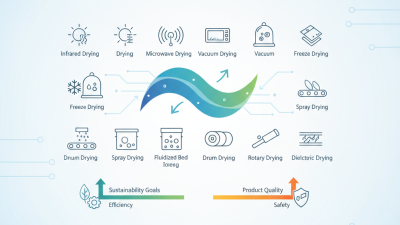
Sun drying is one of the oldest methods. It uses the sun's heat to remove moisture. This technique can lead to uneven drying and may require days. The process can also expose food to pests or dust.
Another option is air drying, which circulates warm air around food. This method is more controlled than sun drying. It generally results in better texture and flavor. However, air drying can take time and requires patience.
Freeze drying is a modern method that removes moisture quickly. It preserves most of the nutritional content well. Yet, the equipment can be costly and not easily available for everyone.
Each drying method comes with clear benefits and drawbacks. There is no one-size-fits-all solution.
Choosing the right method depends on factors like available resources and desired quality. Each method’s impact on nutritional value is also worth considering.
How much do you want to preserve? Your choice matters in achieving the best results.
Preservation of Nutritional Value in Dried Foods
Dried foods are a unique method of preservation. The process removes moisture, inhibiting bacteria growth. This helps retain many essential nutrients. Commonly dried foods include fruits, vegetables, and meats. When drying, temperature and time matter. Too high heat can diminish vitamins. Sometimes, valuable nutrients can be lost.
Fruits like apples and bananas often retain their vitamins when dried properly. Their flavors intensify, offering a sweet snack. In contrast, vegetables may lose some nutrients if overheated. Carrots and spinach, when dried, might not have the same nutritional punch as fresh ones. You might wonder how to reduce this loss.
To maximize the nutritional value in dried foods, proper storage is key. Keep them in a cool, dark place. Light and heat can further degrade nutrients over time. While drying is beneficial, it's not a perfect solution. There are still limitations in nutrient levels compared to fresh options. The process requires careful consideration at every step to ensure a tasty and healthy result.
Practical Applications and Benefits of Drying Food for Storage
Drying food is a time-tested method for preserving fruits, vegetables, and meats. When food dries, moisture is removed, which inhibits the growth of bacteria and mold. This can extend the shelf life significantly. Fruits like apples and apricots can become flavorful snacks. Dried vegetables can add depth to soups and stews.
One practical application of drying food is during harvest seasons. Farmers can dry excess produce to prevent waste. Home cooks often dry herbs for flavoring. However, not all foods dry equally. Some retain better nutritional value than others. For instance, drying methods can affect vitamin levels. Research shows that certain vitamins degrade during the drying process.
Storage benefits are substantial. Dry food is lightweight and compact. It’s easy to store in small spaces. Yet, improper drying can lead to spoilage. For beginners, achieving the right moisture content can be a challenge. It's essential to monitor the drying process closely. Over-drying can make food too tough. Balancing time and temperature requires practice and attention.
Nutritional Value Retention in Dried Foods