10 Essential Tips for Choosing the Right Meat Processing Equipment

Choosing the right meat processing equipment is crucial for optimizing production efficiency and maintaining the highest standards of food safety. In an industry projected to reach a global market value of $263.8 billion by 2025, as reported by Mordor Intelligence, meat processing facilities are increasingly focused on upgrading their equipment to meet evolving consumer demands and regulatory requirements. The advancement in technology not only enhances processing capabilities but also ensures compliance with stringent hygiene standards.

10 Essential Tips for Choosing the Right Meat Processing Equipment

With meat processing equipment accounting for a significant portion of operational costs, it is imperative for businesses to make informed decisions when selecting machinery. According to a recent study by Research and Markets, innovations in automation and smart technologies are reshaping the landscape of meat processing, making it vital for industry players to stay ahead of these trends. This guide outlines ten essential tips for choosing the right meat processing equipment, ensuring that you invest wisely in tools that enhance productivity and product quality while adhering to industry regulations.

Understanding Your Meat Processing Needs: Analyzing Production Volume and Types

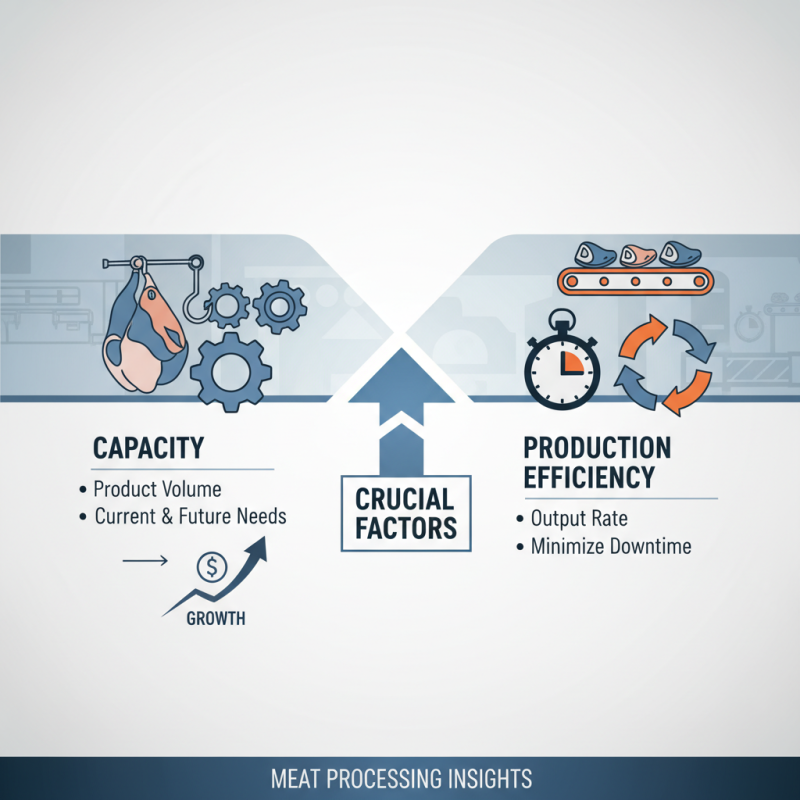
When selecting the right meat processing equipment, understanding your specific production volume and the types of products you intend to create is crucial. According to the U.S. Department of Agriculture (USDA), the meat processing industry in the United States alone processes over 55 billion pounds of meat annually. This astonishing figure indicates the importance of thoughtfully analyzing production needs to ensure efficiency and profitability.

Identifying the types of meat products—beef, pork, poultry, or specialty items—will also guide your equipment selection. For instance, a facility focused on high-volume production of ground meats will require different machinery than one that specializes in gourmet sausage making. The North American Meat Institute reports that as consumer demand shifts towards value-added products, processors must adapt by investing in versatile equipment that can handle multiple product types. By carefully assessing your production volume alongside the specific requirements of your product lines, you'll be better equipped to choose the most suitable meat processing equipment, ultimately enhancing your operational efficiency and product quality.

Meat Processing Equipment Analysis

Evaluating Equipment Features: Importance of Technology and Automation in Processing

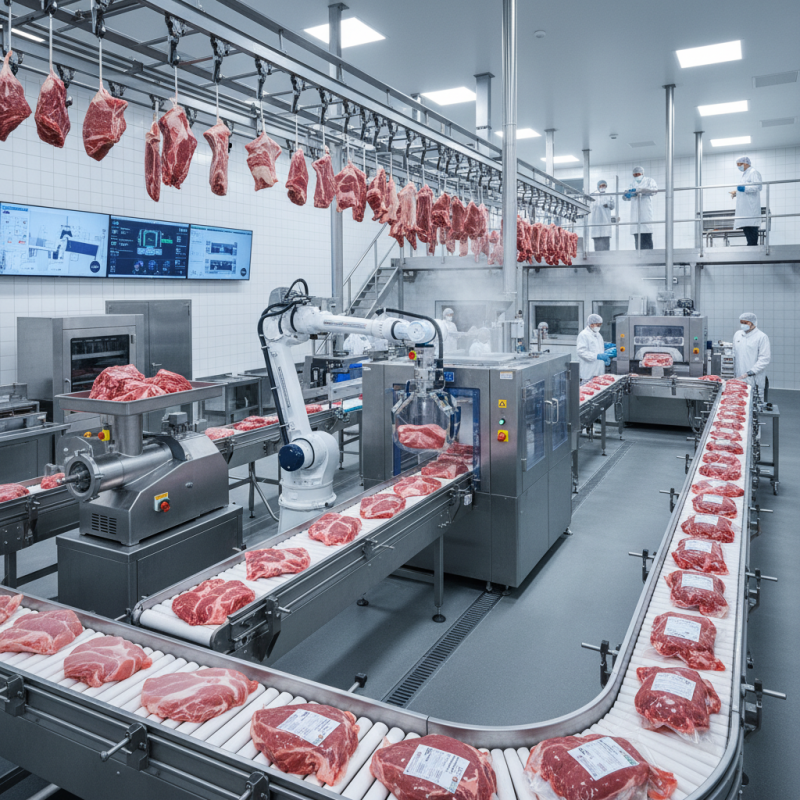
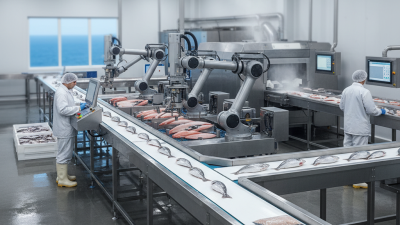
When choosing the right meat processing equipment, emphasizing the importance of technology and automation is crucial. The integration of advanced technologies such as machine learning, optical sensors, and robotics can significantly improve the efficiency and quality of meat processing operations. These technologies not only streamline workflows but also enhance quality control by facilitating real-time monitoring and data analysis. As processors increasingly adopt these advancements, they can ensure consistent product quality and responsiveness to market demands.

Moreover, the growing trend towards automation in manufacturing highlights the necessity of evaluating equipment features carefully. Devices equipped with smart tools and automation capabilities can alleviate labor pressures while optimizing production outputs. For instance, processors can benefit from implementing systems that utilize autonomous workflows, enabling them to reduce human intervention and increase operational efficiency. Embracing such technologies ensures that meat processors remain competitive in an evolving market, allowing them to maximize productivity and maintain high-quality standards.

10 Essential Tips for Choosing the Right Meat Processing Equipment

Budget Considerations: Analyzing Total Cost of Ownership for Meat Processing Equipment

When selecting meat processing equipment, budget considerations play a crucial role in analyzing the total cost of ownership. This involves not just the initial purchase price, but also ongoing operational costs, maintenance, and potential downtime. According to USDA's Economic Research Service, larger beef cow-calf farms tend to have lower costs per cow than their smaller counterparts, suggesting that scale can significantly influence overall expenses. This principle can also apply to meat processing equipment, where investing in high-quality machinery may offset higher initial costs through improved efficiency and reduced operating expenses.

In navigating the financial implications of meat processing equipment, it's essential to factor in the total lifecycle costs. A comprehensive analysis includes aspects such as energy consumption, repair expenses, and the longevity of the equipment. Industry data indicates that businesses that carefully evaluate their equipment choices can see significant cost savings over time. For example, a report from the American Pet Products Association revealed that total expenditures in the pet industry were expected to rise, indicating consumer awareness regarding the importance of not just initial expenses but the sustainability of their choices. This trend highlights the necessity for meat processors to adopt a similar mindset, ensuring informed decisions yield long-term advantages.

Assessing Compliance: Meeting Industry Standards and Regulations in Meat Processing

When selecting meat processing equipment, compliance with industry standards and regulations is a critical factor that cannot be overlooked. The meat processing industry is heavily regulated to ensure food safety and quality, with organizations like the USDA and FDA setting stringent guidelines. According to the Food Safety and Inspection Service (FSIS), improper processing equipment can lead to contamination risks, which can severely affect public health and lead to costly recalls. This emphasizes the importance of investing in equipment that not only meets but exceeds compliance standards.

In recent industry reports, it was revealed that facilities adhering to strict compliance protocols see a significant reduction in foodborne illnesses and have increased consumer confidence, leading to higher sales. For instance, the National Meat Association highlighted that 70% of consumers are more likely to purchase products from companies that demonstrate a commitment to food safety regulations. As such, when choosing meat processing equipment, it is vital to thoroughly assess the machinery’s compliance with the latest industry standards, ensuring that the equipment is certified and regularly updated to align with evolving regulations. This investment not only safeguards public health but also enhances the brand’s reputation in a competitive market.

Selecting Suppliers: The Role of Service and Support in Equipment Longevity and Efficiency

When selecting meat processing equipment, the significance of choosing suppliers with strong service and support capabilities cannot be overstated. A recent analysis highlights that the performance of industrial lubricants directly impacts processing efficiency and machinery lifespan, emphasizing the need for reliable suppliers. For instance, a report projected significant market growth in the industrial oil sector, driven by the demand for superior lubricant formulations that enhance equipment performance. This underscores the role of service networks in ensuring that the chosen equipment operates at its peak for an extended period.

10 Essential Tips for Choosing the Right Meat Processing Equipment

Furthermore, the success of meat processing operations hinges on a supplier's ability to provide timely support and maintenance services. Companies in the manufacturing sector often report that a robust supplier relationship can lead to increased operational efficiency and reduced downtime. Research indicates that businesses that prioritize service as a key selection criterion for their equipment suppliers experience up to a 20% increase in equipment longevity. This relationship not only ensures that meat processing equipment remains fully operational but also contributes significantly to overall production cost-effectiveness.