10 Essential Tips for Success in Food Industries
The food industries are rapidly growing, with global sales surpassing $8 trillion in 2021. This growth presents unique challenges and opportunities. Many companies struggle with competition and supply chain issues. For instance, 57% of food businesses report difficulties in sourcing materials.
To succeed, businesses must adapt. Understanding market trends is crucial. A recent report highlighted that consumer preferences shift towards healthier options. Companies that embrace this shift see an increase in sales by up to 30%. However, not all industries are keeping pace with these changes.
Innovation and sustainability drive success in food industries. Brands that implement eco-friendly practices attract more customers. Yet, many businesses still rely on traditional methods. They risk being left behind. Learning from successful companies is essential. The path to success is not always clear, but applying strategic tips can illuminate the way.

Understanding the Food Industry Landscape and Trends
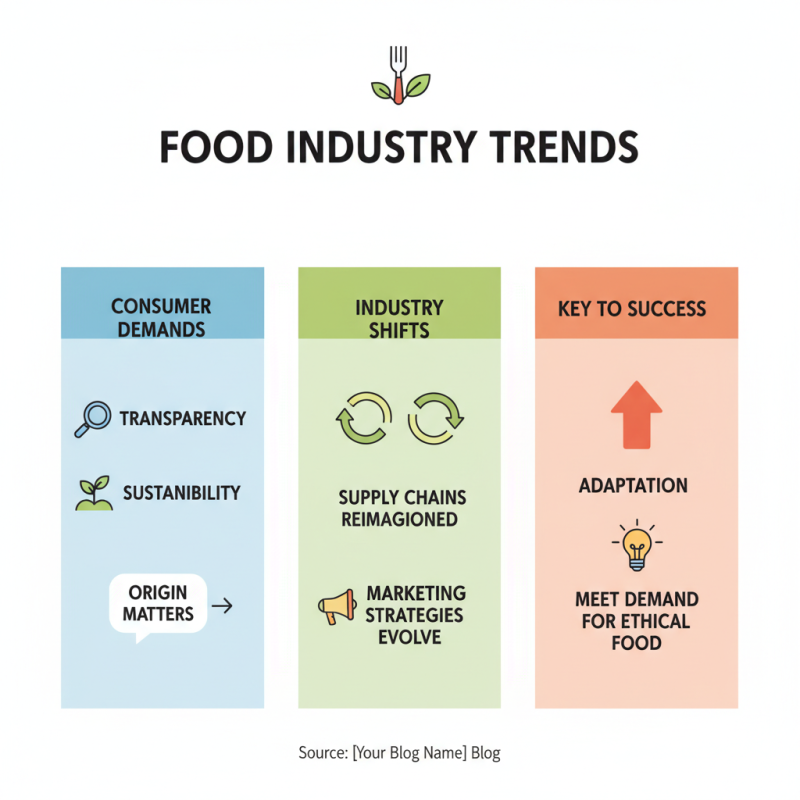
The food industry is a dynamic landscape. Understanding current trends is crucial for success. Consumers increasingly seek transparency and sustainability. They want to know where their food comes from. This shift is reshaping supply chains and marketing strategies.
Tip: Keep an eye on consumer preferences. Regularly survey your audience to stay updated. Trends can change quickly. One year, plant-based diets dominate; the next, local sourcing takes precedence. Adapting to these shifts is vital.
Also, consider your product's packaging. Sustainable materials are not just trendy; they attract eco-conscious consumers. However, make sure your choices resonate with your brand identity. Using mismatched values can lead to criticism. Reflect on your goals and stay genuine. The food industry rewards authenticity and thoughtfulness, but it requires constant reevaluation to stay relevant.
Developing a Strong Business Plan for Food Enterprises
Developing a strong business plan is critical in the food industry. According to a recent report by IBISWorld, the food and beverage sector is poised to grow by 3.5% annually over the next five years. This growth creates numerous opportunities, but it also means increased competition. A solid business plan helps navigate this landscape.
A successful plan should outline clear objectives and market analysis. Research shows that 70% of food startups fail due to a lack of market understanding. Understanding consumer trends is a must. For example, the demand for plant-based products surged by 27% in 2021. Ignoring such data can lead to misguided decisions.
Financial planning is equally essential. Many newcomers underestimate startup costs. An FDA report indicates that compliance and regulatory fees can exceed $10,000 for food businesses. This oversight can lead to budget shortfalls. Without proper funding strategies, a good idea can stall. The need for ongoing market analysis cannot be overstated. Fine-tuning your approach is vital for long-term success. Adaptation can often mean the difference between thriving and struggling in this dynamic industry.
10 Essential Tips for Success in Food Industries
Building a Quality Supply Chain and Sourcing Ingredients
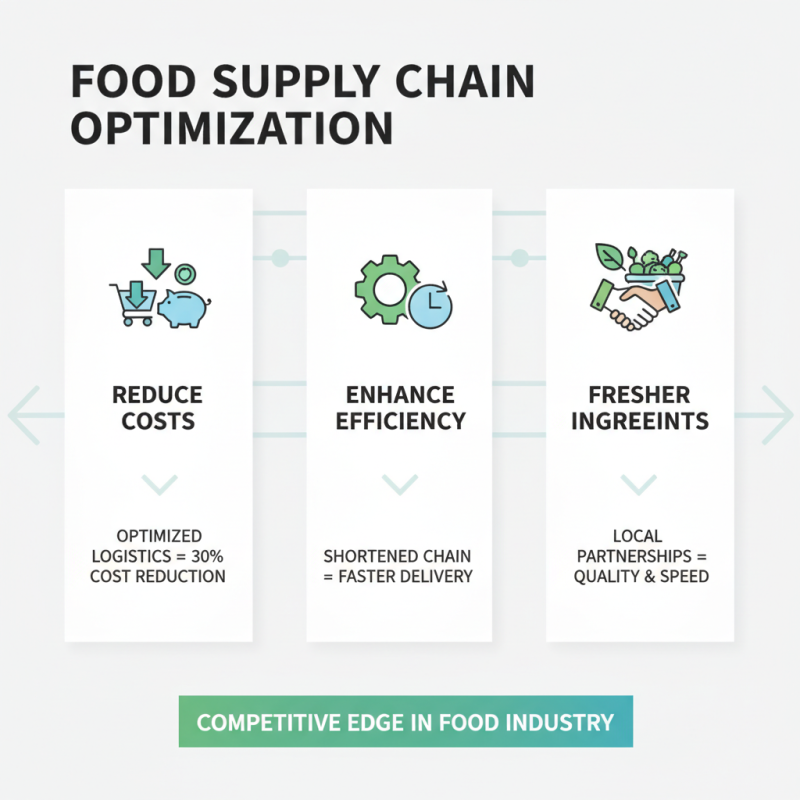
In today's competitive food industry, establishing a reliable supply chain is crucial. A well-structured supply chain can reduce costs and enhance efficiency. For instance, a recent industry report highlighted that optimizing logistics can decrease operational costs by up to 30%. This is significant for companies struggling under tight margins. Shortening the supply chain and fostering local partnerships can produce fresher ingredients and faster delivery times.
Sourcing high-quality ingredients is another critical area. Brands must ensure their suppliers meet certain standards. Research shows that 70% of consumers prioritize ingredient transparency. If a company cannot guarantee ingredient quality, it risks losing customer trust. Many businesses face challenges in tracking the origin of their products. This lack of transparency can lead to negative perceptions and reduced sales.
Moreover, more companies are adopting sustainable sourcing practices. Data indicates that 63% of consumers are willing to pay more for sustainably sourced products. However, implementing these practices is not always straightforward. Sourcing sustainably can sometimes lead to higher costs and complexities in supply chain management. Balancing these factors is essential for long-term success. Many companies find themselves at a crossroads, needing to innovate while managing costs effectively.
Effective Marketing Strategies for Food Products
Effective marketing strategies in the food industry can make or break a product's success. According to industry data, around 75% of new food products fail within the first year. This highlights the need for well-planned marketing. Understanding target demographics is vital. Research shows that millennials and Gen Z consumers prefer brands that align with their values, especially sustainability. Telling a compelling story about your product can help capture their attention.
Creating engaging social media content is crucial. Studies indicate that 54% of consumers want to see more video content from brands. Short videos showcasing recipes or behind-the-scenes processes can build trust and generate interest. However, not all content will resonate. Brands must analyze engagement metrics and adjust strategies accordingly. In doing so, they may find their messaging isn't as clear or effective as intended.
Influencer partnerships also present opportunities and challenges. They can reach niche audiences but often lack authenticity. 39% of consumers say they trust influencers less than they did three years ago. Brands should carefully select influencers who genuinely align with their mission. Establishing these connections may take time and might not always yield expected results. Brands should embrace a culture of experimentation and reflection in these endeavors.
Ensuring Compliance with Food Safety Regulations and Standards
Compliance with food safety regulations is crucial in the food industry. According to the FDA, approximately 48 million people fall ill from foodborne illnesses every year in the U.S. This statistic is alarming and highlights the need for stringent adherence to safety standards. Companies must prioritize training their staff on proper food handling techniques. A well-informed team can drastically reduce the risk of contamination.
Regular audits can uncover gaps in safety practices. In fact, a report from the CDC states that only 30% of food establishments comply fully with safety regulations. This lack of compliance raises questions about the safety of products reaching consumers. Investing in quality control measures can mitigate risks significantly. Having a dedicated safety officer ensures consistent monitoring.
Documentation plays a key role in compliance. Accurate records can provide evidence during inspections. However, many businesses overlook maintaining these logs. A surprising 60% lack an effective traceability system. This oversight can lead to severe consequences. Addressing these shortcomings is vital for success and consumer trust in the food industry.