Top Food Machinery Trends to Watch in 2026?
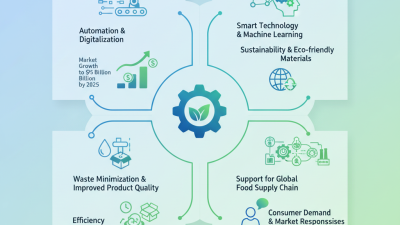
The food machinery sector is poised for significant transformation by 2026. According to Research and Markets, the global food processing machinery market is projected to reach $80 billion by 2027, reflecting a growth rate of over 6%. This rise stems from a surge in demand for processed foods and increased automation within the industry.
Innovations in food machinery are crucial. Technologies like AI and IoT are enhancing operational efficiency and food safety. Industry leaders are adopting smart machinery to reduce waste and unlock new efficiencies. Nevertheless, challenges remain. Integrating these technologies requires substantial investment and expertise, which not all companies possess.
As we approach 2026, the trend towards sustainability in food machinery will continue. The Food and Agriculture Organization of the United Nations emphasizes the need for eco-friendly practices. This shift may not be seamless, but it’s essential for long-term viability. The landscape of food machinery is changing rapidly, offering both opportunities and hurdles for manufacturers and consumers alike.
Emerging Technologies in Food Machinery for 2026
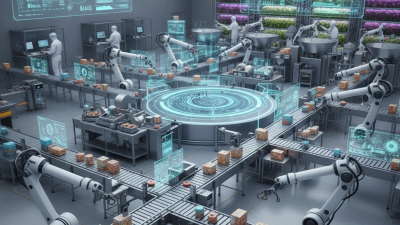
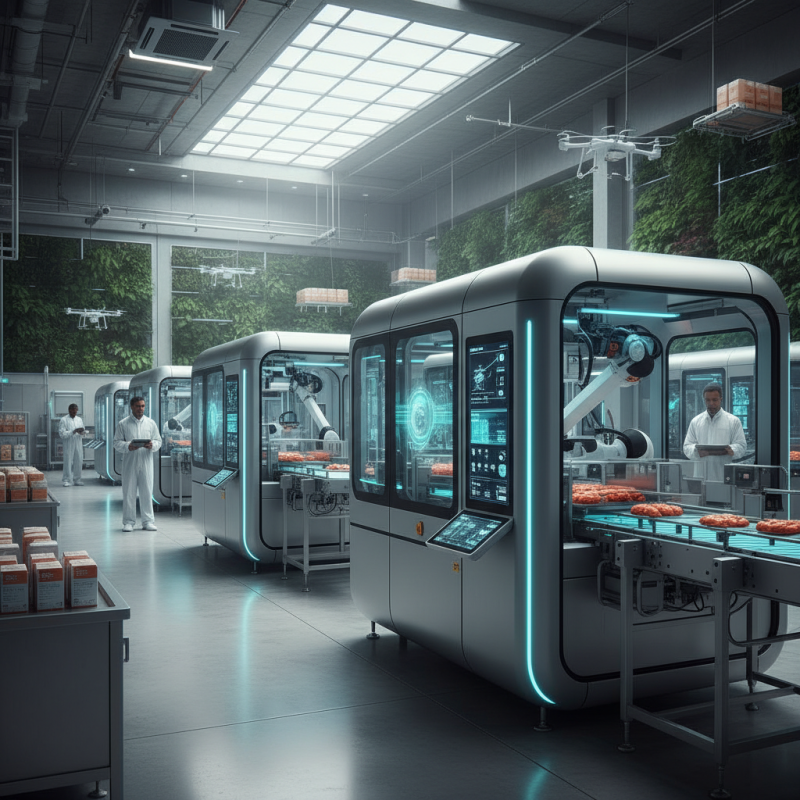
Emerging technologies are transforming food machinery at an unprecedented pace. By 2026, we expect automation and robotics to play a significant role. According to industry reports, 50% of food production processes could be automated. This shift aims to enhance efficiency while minimizing human error. Smart sensors and IoT (Internet of Things) integration will allow for real-time data monitoring. This technology helps optimize supply chains and reduce waste.
Tips: Consider investing in smart machinery. This could lead to a reduction in energy costs. Analyze your production line to identify areas where automation can have the most impact. Simple adjustments can yield big savings.
Another trend is the focus on sustainability in food manufacturing. Many companies are exploring eco-friendly equipment and processes. A report shows that 70% of manufacturers prioritize green technologies. This includes machinery that uses less water and energy. In addition, technological advancements are making it easier to recycle materials during the production process.
It's important to reflect on the challenges ahead. Not every business can afford the latest technology. Furthermore, updating existing equipment may disrupt operations. Companies need to develop a clear strategy before diving into new technology. This will ensure a smoother transition and better returns in the long run.
Sustainability Practices Shaping Food Machinery Innovations
Sustainability practices are driving innovations in food machinery. With environmental concerns rising, the food industry must adapt. Manufacturers are focusing on energy-efficient equipment. They aim to reduce waste and improve resource use.
Renewable energy sources are becoming more common in food machinery. Solar panels and wind turbines integrated into processes minimize carbon footprints. Companies are exploring biodegradable materials for machine components. These changes ensure machinery supports a circular economy.
However, challenges remain. The transition isn't always straightforward. Many companies struggle with the initial costs of green technologies. Also, regulations vary globally, complicating compliance. The path to sustainability in food machinery needs clear strategies and commitment.
Automation and Robotics in Food Production: Future Trends
Automation and robotics are at the forefront of transforming food production. The global food automation market is projected to reach $16 billion by 2026, according to industry forecasts. This figure reflects a growing demand for efficiency and cost reduction in food manufacturing. Automation minimizes human error and increases production speed. Yet, it also surfaces concerns regarding job displacement and the need for workforce retraining.
Robotic systems are evolving in food processing, packaging, and logistics. For instance, collaborative robots, or cobots, are increasingly used on production lines. They assist human workers by taking on repetitive tasks. A report by the International Federation of Robotics highlights that the deployment of robots in food production has increased by 30% in recent years. These advancements are promising but may create an uneven playing field for smaller producers lacking resources.
The integration of artificial intelligence into food technology poses unique challenges. While AI can optimize supply chains and predict demand with remarkable accuracy, it also raises ethical questions. Will data privacy be compromised? The balance between technological advancement and ethical considerations is critical for the industry moving forward. The future holds great potential, but careful navigation is necessary.
Top Food Machinery Trends to Watch in 2026
| Trend |
Description |
Impact on Production |
Potential Challenges |
| Increased Automation |
The rise of smart machinery to reduce human intervention. |
Higher efficiency and reduced labor costs. |
Initial investment costs and employee retraining. |
| Robotics Integration |
Use of robotics for more precision in handling food products. |
Enhanced product quality and consistency. |
Complex programming and upkeep of robots. |
| Data Analytics |
Leveraging big data to optimize production processes. |
Improved decision-making and resource management. |
Requires skilled personnel and data security. |
| Sustainability Innovations |
Machinery focused on reducing waste and energy consumption. |
Enhanced brand image and compliance with regulations. |
Higher upfront costs for sustainable solutions. |
| AI in Quality Control |
Utilizing AI to detect defects and improve quality assurance. |
Reduction of product recalls and waste. |
Dependence on technology and potential biases in AI. |
Smart Machinery and IoT Integration in Food Processing
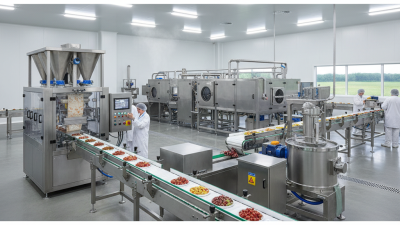
The rise of smart machinery and IoT integration in food processing is reshaping the industry. Manufacturers increasingly rely on real-time data to enhance production efficiency. Machines equipped with sensors can track temperature, humidity, and even vibration. This real-time monitoring helps prevent spoilage and ensures product quality.
Implementing IoT solutions isn't without its challenges. Companies may face significant costs when upgrading machinery. Additionally, the integration process can be complex. Many businesses struggle to train staff on these new systems, leading to a skills gap. Ensuring data security is another critical area that requires attention as connectivity increases.
Despite these challenges, the benefits are profound. Smart machinery can reduce waste and energy consumption, aligning with sustainability goals. Businesses stand to gain from predictive maintenance, reducing unplanned downtime. While the path to full integration may have obstacles, the potential for improved operations is vast. Embracing this change is essential for staying competitive in the evolving food machinery landscape.