Top Food Processing Trends Shaping the Industry Today?
The food processing industry is undergoing significant transformation. With advancements in technology and consumer preferences evolving, businesses must adapt quickly. The rise of plant-based products and sustainable practices reflects a shift in what consumers want.
As we explore current trends, it’s clear that innovation plays a critical role. Automation is increasing efficiency, but it also requires skilled workers. Each trend brings both opportunities and challenges for traditional practices.
While some companies embrace these changes readily, others may struggle to catch up. Balancing innovation with quality is essential. The future of food processing hinges on how well the industry responds to these emerging trends.
Emerging Technologies Transforming Food Processing Practices
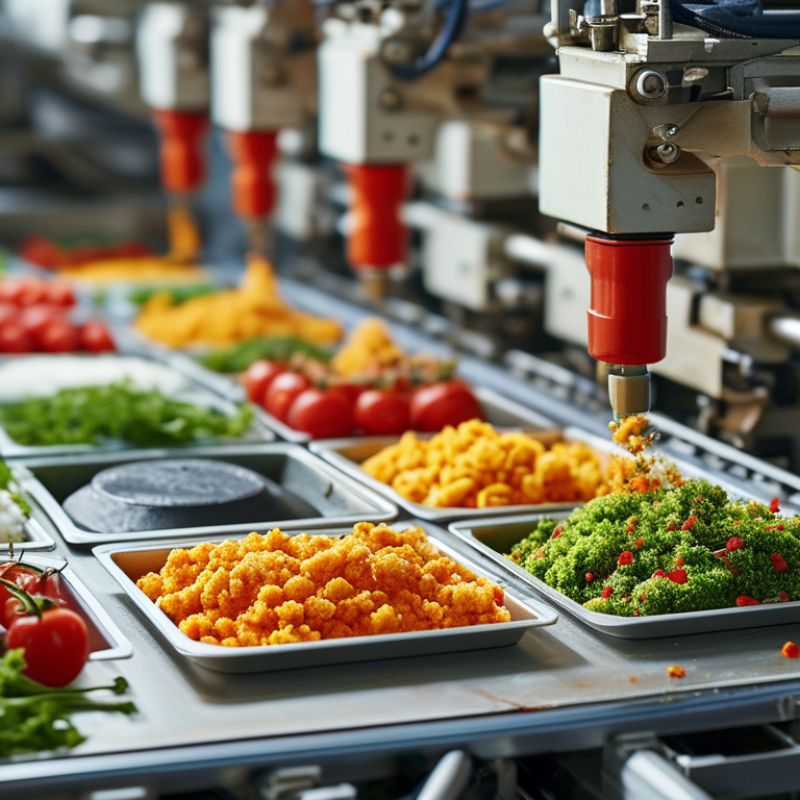
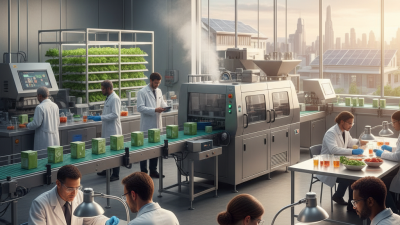
Emerging technologies are revolutionizing food processing practices in ways that enhance efficiency and safety. Automation is at the forefront, enabling manufacturers to streamline operations. Robotics can handle repetitive tasks, reducing labor costs. However, reliance on automation raises concerns regarding job displacement and the need for retraining workers.
Artificial intelligence (AI) also plays a crucial role. It analyzes data to forecast trends and manage supply chains more effectively. Smart sensors monitor food quality in real time. Yet, while AI improves decision-making, it can overwhelm smaller operations that lack the resources to implement such advanced systems.
Sustainability is another important focus. Innovative preservation techniques extend the shelf life of products, reducing waste. Techniques like high-pressure processing maintain nutrition and flavor. Still, as companies strive for green solutions, they often face challenges in balancing cost and environmental impact. Adapting to these technological changes requires careful consideration of both benefits and potential drawbacks.
Sustainability Initiatives Impacting Food Production Systems
Sustainability has become a central theme in food production systems. Many companies are shifting towards practices that prioritize environmental health. This includes reducing carbon footprints and minimizing waste. As a result, more firms are exploring innovative packaging solutions. Biodegradable materials and recyclable options are emerging. These changes reflect a critical response to consumer demand for greener products.
Moreover, the use of alternative protein sources is gaining traction. Plant-based proteins are increasingly popular. They offer nutritional benefits and lower environmental impact compared to meat. However, this transition poses challenges. Many consumers remain skeptical about taste and texture. Educating them on the benefits of these alternatives is vital.
Sustainable supply chains are also in focus. Companies are reevaluating sourcing methods. Local ingredients help shorten transport distances. This reduces emissions, but can raise costs. Striking a balance is essential. Further, transparency in sourcing fosters consumer trust. Yet, many businesses grapple with how to effectively communicate these efforts. Authenticity matters. The path to sustainability is complex, requiring ongoing commitment and innovation.
Top Food Processing Trends Shaping the Industry Today
| Trend |
Description |
Impact on Sustainability |
Examples of Implementation |
| Plant-Based Foods |
Increase in plant-based food products to meet consumer demand. |
Reduces greenhouse gas emissions associated with livestock production. |
Introduction of meat alternatives from legumes and grains. |
| Packaging Innovations |
Sustainable packaging solutions like compostable and recyclable materials. |
Minimizes plastic waste and supports a circular economy. |
Biodegradable pouches for snacks and food items. |
| Energy Efficiency |
Adoption of energy-efficient technologies in food processing. |
Reduces overall energy consumption and carbon footprint. |
Using solar energy and energy recovery systems in plants. |
| Waste Reduction |
Strategies to minimize food waste during processing and production. |
Supports sustainability by using resources more efficiently. |
Upcycling food by-products into new products. |
| Traceability Technology |
Use of blockchain for transparency in food supply chains. |
Enhances consumer trust and accountability in sourcing. |
Tracking the origins of ingredients in real-time. |
Consumer Preferences Driving Innovation in Food Products
Consumer preferences are dramatically reshaping the food processing industry. A recent report by the Food and Agriculture Organization indicates that 65% of consumers are willing to pay more for sustainable food options. This trend signals a growing demand for transparency in sourcing and production methods. Consumers want to know where their food comes from and how it is made. This push for clarity drives innovation in food processing techniques aimed at maintaining nutrition while reducing waste.
Health-conscious choices are also influencing food innovation. A survey from the Mintel Group found that 57% of consumers actively seek out foods high in protein. This desire for nutritious options is leading food manufacturers to explore plant-based proteins and functional ingredients. These products not only meet dietary needs but also promote wellness. Yet, the challenge remains in balancing taste with health. Some consumers feel that healthier options lack flavor or appeal, highlighting the need for ongoing experimentation.
Moreover, convenience is a key factor for modern consumers. The Nielsen Company reports that 75% of shoppers prioritize quick and easy meal solutions. As a result, food processors are developing ready-to-eat and ready-to-cook products. However, this trend raises questions about food quality and sustainability. Fast, convenient meals can sometimes compromise health benefits or environmental standards. This tension showcases the complexity of meeting diverse consumer demands while maintaining industry integrity.
Automation and Robotics Redefining Food Manufacturing Efficiency
Automation and robotics are revolutionizing food manufacturing. Recent reports indicate that the global food automation market is projected to reach USD 20 billion by 2026. This growth stems from the demand for efficiency and consistency in production processes. Manufacturers are increasingly adopting automated systems to enhance accuracy and reduce waste. For instance, automation can decrease labor costs by up to 20%, while improving overall productivity.
Innovative robotic solutions are also redefining workplace safety. With machines handling hazardous tasks, the risk of injury declines significantly. An estimated 85% of food manufacturing companies are currently integrating robotics into their operations. However, the adaptation process can present challenges. Workers may resist changes due to fears of job loss or lack of skills. Addressing these concerns with training programs is crucial for smooth transitions.
The shift to automation is not without its complications. While robots improve efficiency, they also require substantial initial investments. Additionally, maintaining and upgrading these systems can create unexpected costs. Companies must find a balance between immediate efficiencies and long-term investments. Failing to adapt could leave some behind in an increasingly competitive market.
Top Food Processing Trends Shaping the Industry Today
Health and Nutrition Trends Influencing Food Ingredients and Formulation
Consumers are increasingly prioritizing health and nutrition in their food choices. This trend is reshaping ingredient selection and formulation practices across the industry. There is a growing demand for natural, nutrient-dense foods that offer specific health benefits. Ingredients like whole grains, plant proteins, and superfoods are gaining popularity. Food manufacturers are exploring innovative ways to incorporate these ingredients into their products.
Sustainability is another crucial aspect that influences formulation. Many consumers are concerned about the environmental impact of their food. This has led to a rise in plant-based alternatives and locally sourced ingredients. However, some challenges remain. Not all consumers are ready to fully embrace these changes, which can create a disconnect in product acceptance. Formulating food with both health benefits and sustainability can be complex and requires continuous learning.
Moreover, transparency in labeling is becoming essential. As consumers want to know what is in their food, clear communication of ingredient sources is vital. Some companies struggle to achieve this while maintaining taste and quality. Balancing health, sustainability, and flavor is no small feat. Food processors must stay updated with research and adapt to evolving consumer preferences to succeed in this competitive landscape.