How to Succeed in the Food Industries with Innovative Strategies?
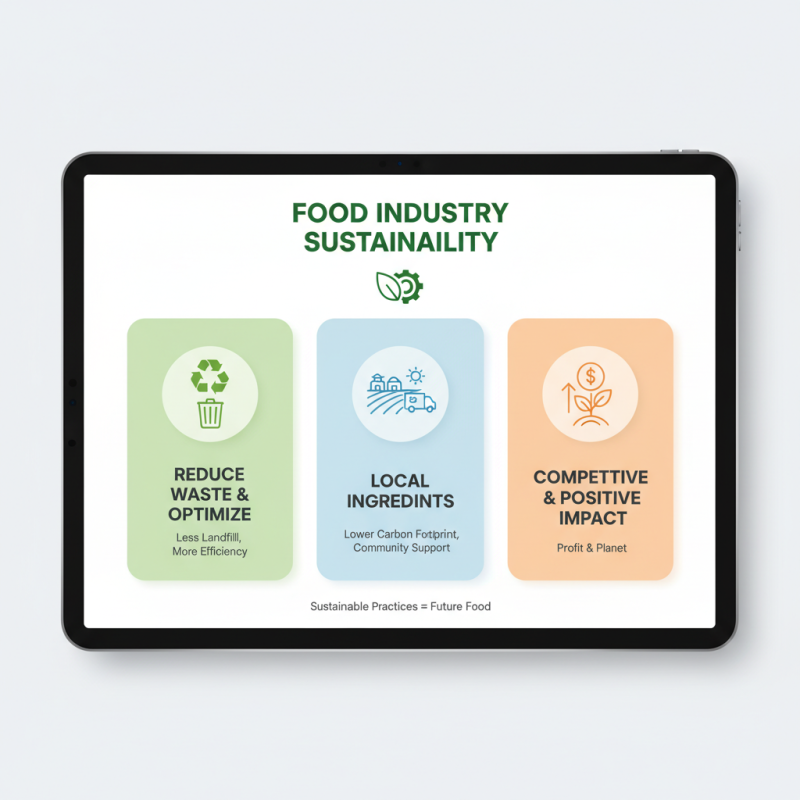
In today's rapidly evolving food industries, innovation is not just an option; it is a necessity. Consumers are demanding fresher, healthier, and sustainable options. This shift forces businesses to adapt quickly and creatively. Companies must explore unique strategies to thrive in a competitive environment.
Creative partnerships can increase brand visibility and enhance product offerings. For instance, collaborations with local farmers can strengthen community ties and ensure fresh ingredients. However, not all partnerships yield success. Finding the right fit is crucial.
Technology also plays a significant role in this evolution. Implementing advanced logistics systems can streamline operations. Yet, these systems can be costly and may require retraining staff. Food industries face challenges in balancing innovation with budget constraints. Failure to innovate can lead to a decline in market relevance. It’s essential to evaluate risks versus rewards carefully.

Understanding Market Trends in the Food Industry for Innovation
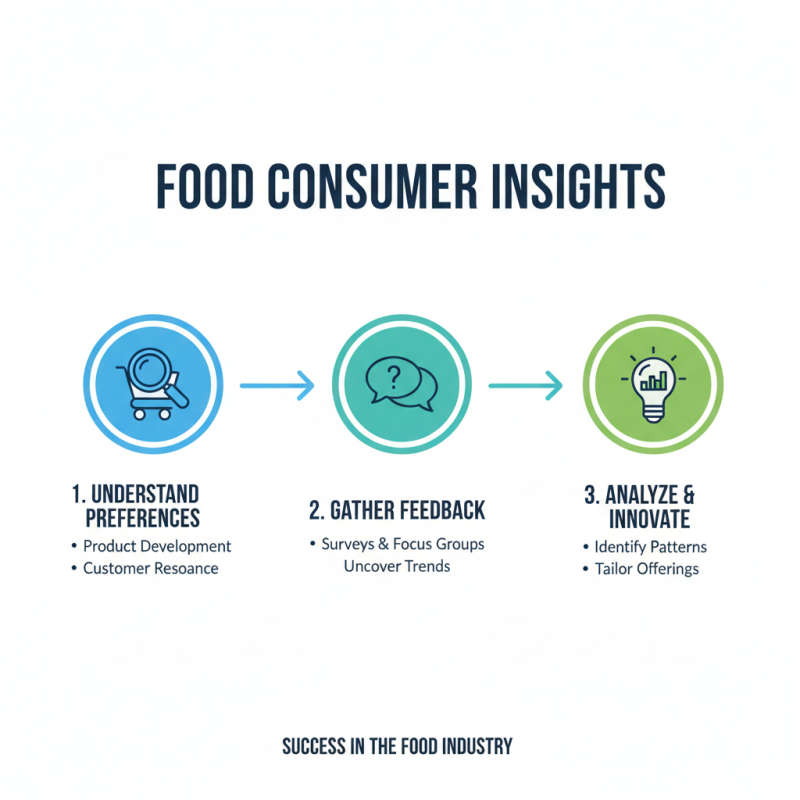
Understanding market trends is crucial for innovative strategies in the food industry. Consumer preferences shift quickly. Trends like plant-based diets or sustainability can define your success. Staying ahead requires keen observation. Look for patterns in popular foods and dining experiences.
Tips: Monitor social media. Platforms reveal what people crave. Join food forums to know emerging trends. Attend food expos to network and gain insights.
Innovation often requires risk. Not every idea will resonate. Some products may fail to attract attention. Analyze customer feedback closely. Learn from missteps and pivot your strategy. Embrace the challenges that come with creativity, as they often lead to new opportunities.
Focus on creating unique experiences. This can be through flavors, presentation, or interactive dining options. But remember, not every concept will work. Embrace feedback and be flexible in adjusting your approach. Keep consumers at the heart of your innovation.
Leveraging Technology and Automation in Food Production
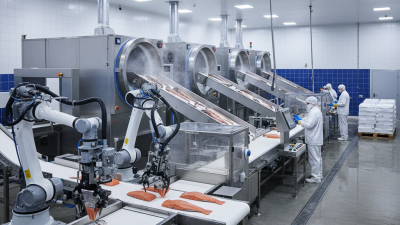
The food production industry is evolving rapidly. Innovative technologies are reshaping how food is processed and delivered. According to a recent industry report, automation in food processing can reduce labor costs by up to 40%. This efficiency gain allows companies to allocate resources to other areas, like product development.
However, reliance on technology also raises concerns. The increased use of robotics can lead to job displacement. In a sector already facing labor shortages, this creates a dilemma. Companies need to balance technological advancement with workforce needs. As highlighted in a survey, 60% of food industry leaders worry about losing skilled workers to automation.
Implementing smart technology is more than just cost-cutting. Blockchain, for instance, enhances traceability in food supply chains. This ensures safer food and builds consumer trust. Yet, achieving widespread adoption is challenging. Many companies lack the infrastructure to integrate these systems effectively. The journey to automation requires reflection and careful planning to avoid pitfalls in efficiency and workforce morale.
Food Industry Automation Levels by Sector
This chart illustrates the automation levels in various sectors of the food industry. The data indicates that meat processing has the highest automation level at 75%, while canned foods have the lowest at 30%. This highlights the varying degrees of technological integration across different segments in food production.
Crafting Effective Marketing Strategies for Food Innovations
In today’s fast-paced food industry, innovation is key. Crafting effective marketing strategies is essential for promoting new food products. According to a recent market research report from Mintel, over 60% of consumers express interest in trying new flavors and formats. This opens a door for brands to create unique offerings that stand out. However, many companies struggle to connect emotionally with their audience.
Utilizing social media can bridge the gap between innovation and consumer engagement. Engaging visuals and storytelling can captivate consumers, helping them connect with a brand's mission. A Nielsen report reveals that 38% of consumers prefer brands that share their ethos. It’s crucial to communicate purpose effectively, yet many brands still miss the mark. Measuring impact is often overlooked, leading to missed opportunities for understanding consumer needs.
Additionally, in-store marketing plays an important role. Interactive displays can enhance the shopping experience. However, data shows that only 25% of new food products succeed beyond their first year. Brands must continuously adapt their strategies. Testing and gathering feedback are vital steps that should not be rushed. Many companies launch products without adequate trial feedback, resulting in poor sales.