What is Longkou Vermicelli and How to Source It Globally?
Longkou Vermicelli, a traditional Chinese product, is renowned for its unique texture and culinary versatility. This starch noodle, made primarily from mung beans, has gained significant traction in global markets. According to a recent industry report, the global vermicelli market size was valued at over $3.2 billion in 2022. The projected growth rates indicate an increasing demand for authentic Asian ingredients, including Longkou Vermicelli, particularly in Western markets.
Sourcing Longkou Vermicelli globally can be challenging. Quality control issues arise with many suppliers, and not all products meet the same standards. Ensuring authenticity is crucial for businesses wishing to integrate this product into their offerings. Buyers must be diligent, as variations in production methods can lead to inconsistencies in flavor and texture. This complexity necessitates a comprehensive understanding of the supply chain, from raw material sourcing to final product delivery.
Longkou Vermicelli stands out not just for its culinary appeal but also for its nutritional benefits. It is low in calories yet provides a satisfying experience for consumers. However, businesses must remain aware of shifts in consumer preferences and market dynamics to effectively position this product. The journey of sourcing Longkou Vermicelli can be intricate, but it offers rewarding opportunities for those prepared to navigate its complexities.
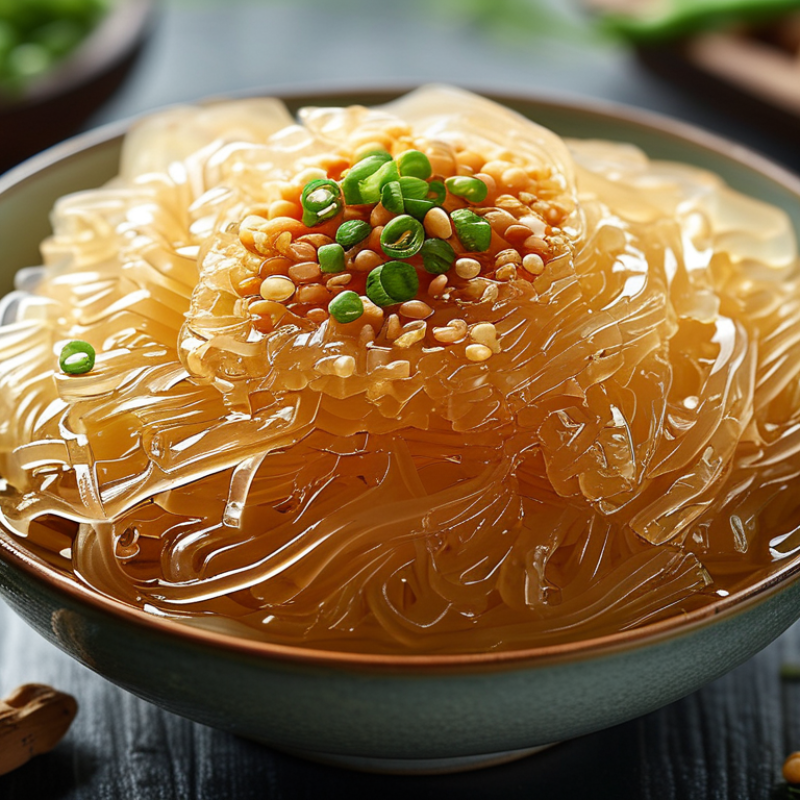
What is Longkou Vermicelli? An Overview of Its Characteristics
Longkou vermicelli, made from mung bean starch, offers a unique texture and taste. This type of noodle is translucent and has a firm bite, making it popular in various Asian dishes. Longkou vermicelli is gluten-free, which adds to its appeal. It's often used in soups and stir-fries, allowing it to absorb flavors effectively. The noodles can be easily identified by their thin, delicate strands.
To prepare longkou vermicelli, soaking in hot water is essential. This process softens the noodles and prepares them for cooking. Cooking with a variety of vegetables and proteins can enhance the dish’s flavor. Pairing it with sauces adds richness to the meal.
Tips: Always check for quality when sourcing vermicelli. Look for products that have a clear, firm appearance. Quality noodles will not break easily. Experiment with different cooking methods; they can greatly influence the final texture. Remember, achieving the perfect balance of flavors requires some trial and error. Enjoy the cooking journey, and don’t hesitate to tweak recipes to suit your taste.
Historical Background and Cultural Significance of Longkou Vermicelli
Longkou Vermicelli, also known as "bean thread noodles," has deep cultural roots in China. Originating from Longkou city, Shandong Province, these noodles are made primarily from mung bean starch. This traditional food has been part of Chinese cuisine for centuries. According to a report by the International Institute of Food Science and Technology, vermicelli consumption in the Asia-Pacific region has grown by 15% annually since 2018.
Culturally, Longkou Vermicelli holds a special place in various traditional dishes served during festivals and family gatherings. It represents nourishment and togetherness. Historical recipes often incorporate vermicelli into soups, stir-fries, and salads. These meals showcase the versatility of vermicelli. Despite its popularity, not all consumers are aware of its nutritional benefits, such as low calories and high fiber content.
As global demand for Asian food rises, sourcing Longkou Vermicelli can be challenging. Many buyers struggle with quality consistency across suppliers. There is also an issue of authenticity. Some producers may substitute other starches. This can tarnish the vermicelli's reputation. As the market matures, ensuring quality control will be vital for preserving cultural integrity.
Longkou Vermicelli Imports by Country
This bar chart illustrates the volume of Longkou Vermicelli imports in metric tons from various countries. It highlights the significant role that China plays in the global market, followed by the USA and Canada, showcasing the growing appreciation for this traditional food product.
Production Process: From Raw Materials to Finished Product
Longkou vermicelli, a traditional Chinese noodle, is made primarily from mung bean starch. The production process is intricate and requires high-quality raw materials. Factors such as humidity and water quality can significantly affect the final product. According to industry reports, the global vermicelli market was valued at approximately $15 billion in 2022, with an expected growth rate of 5.5% annually. This growth signals increasing interest in Asian cuisine worldwide.
The production begins with soaking mung beans in water. After a specified period, the beans are ground into a fine paste. This paste undergoes a heating process to transform its starches. The next step involves pressing the mixture through fine holes to create thin strands. These strands are then dried, usually under controlled conditions to maintain texture and quality. Notably, improper drying can lead to a brittle product, which is less desirable.
Tips: Always inspect the raw materials. Quality mung beans yield better noodles. Check the drying conditions, too; humidity can ruin the product.
Sourcing Longkou vermicelli globally requires careful consideration of suppliers. Look for those who follow strict quality guidelines. Transparency in production processes is critical. Ensure they provide data on their manufacturing standards. Be wary of overly cheap options; quality often reflects pricing.
Global Market Trends and Demand for Longkou Vermicelli
Longkou vermicelli is gaining traction in the global market. This traditional Chinese noodle is made from mung bean starch and is known for its translucent appearance. Its unique texture enhances various dishes, making it a popular choice among chefs worldwide.
The demand for Longkou vermicelli has surged in recent years. Many consumers seek healthy alternatives to wheat noodles. As plant-based diets gain popularity, this gluten-free option becomes appealing. Market research indicates strong interest in Asian cuisine across different regions. Even non-Asian populations are exploring it for its versatility. Importers face challenges, however. Sourcing authentic Longkou vermicelli can be tricky. Variability in quality and authenticity is common. Not every supplier meets the high standards expected in international markets.
Understanding market trends is essential for buyers. As demand grows, so does competition among suppliers. Buyers must prioritize reliability and quality. Working with trusted suppliers and conducting thorough research is vital. Engaging in trade shows and networking events can provide valuable insights. This engagement cultivates relationships with reliable sources. The journey to source Longkou vermicelli requires diligence and careful evaluation.
What is Longkou Vermicelli and How to Source It Globally? - Global Market Trends and Demand for Longkou Vermicelli
| Country | Production Volume (Metric Tons) | Export Volume (Metric Tons) | Average Price per Ton (USD) | Market Demand Growth Rate (%) |
| China | 150,000 | 100,000 | 600 | 8 |
| Vietnam | 30,000 | 20,000 | 700 | 5 |
| Thailand | 25,000 | 15,000 | 750 | 6 |
| United States | 15,000 | 10,000 | 800 | 3 |
| Japan | 10,000 | 5,000 | 850 | 4 |
How to Source Longkou Vermicelli: Supplier Selection and Quality Tips
When sourcing Longkou Vermicelli globally, supplier selection plays a crucial role. The product's quality often varies significantly between suppliers. A recent industry report indicates that nearly 30% of imported vermicelli fails to meet standard quality parameters. This highlights the need for diligent vetting processes.
Start by researching suppliers with proven track records. Look for those with certifications that ensure compliance with food safety standards. Reports show that suppliers with ISO certifications generally provide higher quality products. Customer reviews can also offer insights into a supplier’s reliability. Be cautious; not all reviews reflect the true nature of a supplier's offerings.
Testing samples before placing bulk orders is essential. This allows for a more hands-on assessment of quality. Moreover, consider the production methods used by suppliers. Traditional methods, combined with modern quality controls, often yield the best vermicelli. Industry data suggests that products made from high-grade mung beans substantially outperform lower-quality varieties in texture and taste. This nuance can impact customer satisfaction significantly, so meticulous attention is paramount.
