Top Meat Products Trends to Watch in 2025 for Health and Sustainability
As we move toward 2025, the intersection of health and sustainability is becoming increasingly pivotal in the food industry, particularly concerning meat products. With a growing awareness of the environmental impact of traditional meat consumption and a rising demand for healthier options, consumers and producers alike are seeking innovative solutions that align with these two crucial themes. This evolution is not merely a trend but a necessary response to the challenges posed by climate change, public health concerns, and shifting dietary preferences.
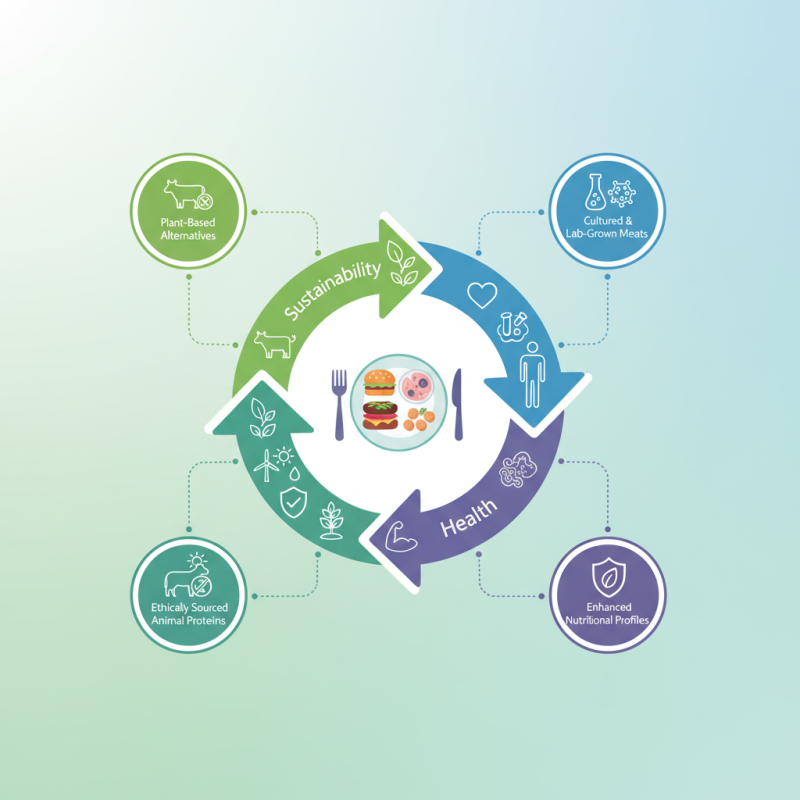
In this context, various meat products are undergoing transformation to meet the expectations of conscious consumers. From plant-based alternatives that mimic the taste and texture of traditional meats to ethically sourced animal proteins, the landscape of meat offerings is diversifying rapidly. Companies are focusing on sustainable practices that not only reduce their carbon footprint but also enhance the nutritional quality of their products. As we explore the top meat product trends for 2025, it is essential to recognize how these developments reflect a broader commitment to fostering a healthier planet and population. Embracing these innovations offers an opportunity to redefine our relationship with meat products while contributing to a more sustainable future.
Emerging Meat Alternatives: Innovations in Plant-Based Products
As we approach 2025, the demand for plant-based meat alternatives continues to surge, reflecting a significant shift in consumer preferences towards environmentally friendly and health-conscious food options. Insights from recent research indicate that the global plant-based meat market is projected to grow from USD 10.2 billion in 2025 to an impressive USD 45 billion by 2034, indicating a compound annual growth rate (CAGR) of 17.9%. This remarkable growth is driven by innovative approaches to plant-based protein development, with a particular focus on creating products that mimic traditional meat's texture and flavor.
The innovation landscape is thriving as food manufacturers explore high-moisture extrusion techniques, which are essential for producing plant-based meat alternatives with meat-like qualities. Amid rising consumer expectations for cleaner labels and functional ingredients, brands that prioritize new flavors and unique experiences are more likely to enhance consumer loyalty and attract newcomers to the plant-based category. With continued focus on nutritional innovation and sustainability, the plant-based sector is set to redefine dietary norms and culinary experiences in the coming years, positioning itself as a key player in the future of food.
Top Meat Products Trends to Watch in 2025
Healthier Meat Options: Trends Towards Low-Fat and Lean Cuts
As consumer preferences shift towards healthier lifestyles, the meat industry is witnessing a significant trend towards low-fat and lean cuts. In 2025, we can expect to see a growing demand for fresh and minimally processed meat options that prioritize nutritional value without compromising flavor.
Many consumers are actively seeking alternatives that align with their health goals, leading to innovations in meat processing and preparation methods. This includes the development of leaner products, such as grass-fed beef and free-range chicken, which are believed to be healthier options compared to conventional meats.
Another emerging trend is the incorporation of plant-based ingredients into traditional meat products, aiming to enhance their nutritional profiles.
Manufacturers are increasingly blending meat with plant-based proteins, resulting in products that offer lower fat content while maintaining the desired taste and texture. This not only caters to health-conscious consumers but also addresses sustainability concerns, as reducing the reliance on animal proteins can decrease the overall environmental impact of meat production.
As these trends evolve, the meat industry is poised to reshape its offerings to meet the needs of a more health-oriented and eco-conscious marketplace.
Sustainable Packaging Solutions: Reducing Environmental Impact
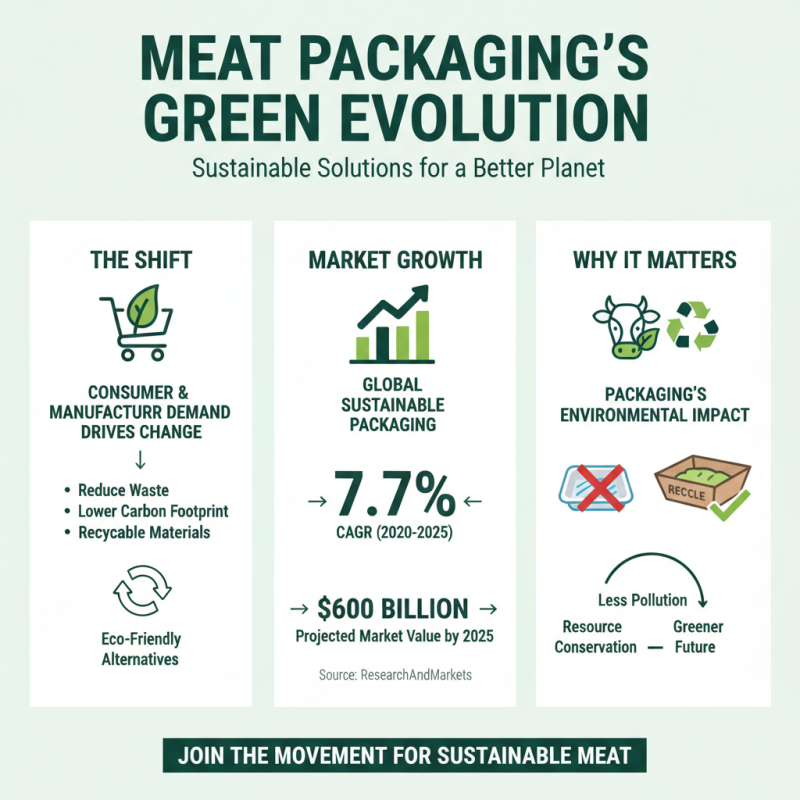
The meat industry is undergoing a significant transformation, particularly in terms of packaging, as sustainability becomes a pivotal concern for both consumers and manufacturers. According to a recent report by ResearchAndMarkets, the global sustainable packaging market is projected to grow at a compound annual growth rate (CAGR) of 7.7%, reaching $600 billion by 2025. This shift is crucial, considering that packaging accounts for a substantial portion of the environmental impact associated with meat products. Sustainable packaging solutions aim to minimize waste, reduce carbon footprints, and incorporate recyclable materials, providing an eco-friendly alternative to traditional plastic.
One innovative approach gaining traction is the use of biodegradable materials, which can decompose naturally without harming the environment. A study by Smithers Pira highlights that nearly 60% of consumers are willing to pay more for products with eco-friendly packaging. As brands respond to this demand, we are likely to see an increase in the use of materials such as plant-based plastics and recycled paper. Furthermore, advancements in packaging technology enable better preservation of meat, reducing spoilage and extending shelf life, which aligns with goals of minimizing food waste. This dual benefit of sustainability and product longevity positions sustainable packaging as a key trend in the meat industry, reinforcing the commitment to healthier consumption practices and environmental responsibility.
Traceability and Transparency: Consumer Demand for Ethical Sourcing
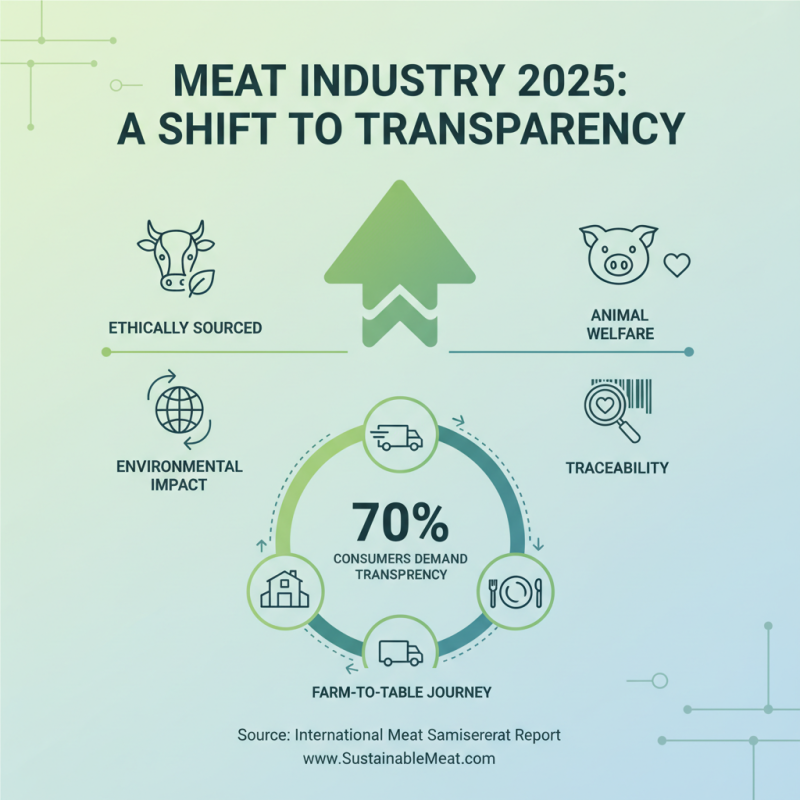
As we approach 2025, the meat industry is witnessing a significant shift towards traceability and transparency, driven by consumers' demand for ethically sourced products. According to a recent report from the International Meat Secretariat, nearly 70% of consumers consider transparency in sourcing crucial when purchasing meat. This trend is largely fueled by increasing awareness of environmental impacts and animal welfare concerns. Consumers are not only seeking high-quality meat but are also eager to understand the story behind the products, from farm to table.
To meet these evolving consumer expectations, companies must prioritize traceability in their supply chains. Implementing technologies such as blockchain can enhance transparency, allowing consumers to trace the origin of their meat products seamlessly. A study by the Food Marketing Institute indicates that 56% of shoppers are willing to pay more for meat that is clearly traceable. This willingness indicates a growing market for brands that communicate their sourcing practices effectively and prioritize sustainability.
**Tips:** To stand out in this competitive arena, brands should invest in educating consumers about their sourcing practices through clear labeling and engaging storytelling. Collaborating with local farmers and providing detailed information on animal welfare practices can also strengthen consumer trust and loyalty. Additionally, utilizing social media platforms to share transparency initiatives can significantly enhance brand credibility among ethically-minded consumers.
Fermented and Cultured Meats: Exploring Health Benefits and New Flavors
Fermented and cultured meats are gaining traction in the meat industry, driven by consumers' increasing demand for health-conscious and sustainable options. These innovative products undergo fermentation processes that not only enhance flavor but also enrich nutritional profiles. According to the 2023 report by the Good Food Institute, the fermented meat market is projected to grow at a CAGR of 7.5%, reflecting consumers' yearning for alternative protein sources that align with health trends. This growth is highlighting the potential of fermented meats, which can be lower in fat and sodium compared to traditional options, while also offering probiotics that promote gut health.
The diversity of flavors found in fermented and cultured meats presents an exciting opportunity for meat producers to captivate a broader palate. From spicy chorizo to tangy salami, these products are evolving to include a range of spices and ingredients that appeal to adventurous eaters. According to a survey by the International Journal of Food Science, 62% of consumers expressed interest in trying new flavors in fermented meat products. As sustainability becomes an increasingly critical factor for consumers, these meat innovations not only satisfy taste requirements but also minimize waste through efficient production methods, making them a sustainable choice for the future of meat consumption.