Top Tips for Choosing Meat Food Processing Equipment?
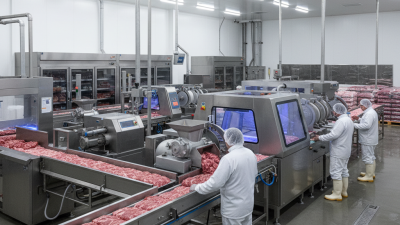
Choosing the right meat food processing equipment is critical for efficiency and safety in the industry. Recent reports indicate that the global meat processing equipment market is projected to reach USD 18.5 billion by 2025. This growth emphasizes the increasing demand for advanced technology in meat production. However, making informed choices is not straightforward.
Investing in appropriate equipment can improve quality while ensuring compliance with safety standards. The risk of foodborne illnesses underlines the importance of reliable processing methods. Understanding the specifications, such as types of machinery and sanitation features, is essential for any business. Sometimes, companies may overlook their unique processing needs, leading to inefficient operations.
Selecting meat food processing equipment requires careful consideration. Rushing the decision may result in higher operational costs and subpar product quality. Prior industry experience shows that businesses gain long-term value by investing time in research and consulting experts. Each choice you make should align with your operation's specific requirements and future goals.
Understanding the Types of Meat Processing Equipment Available
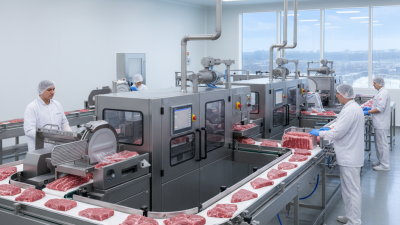
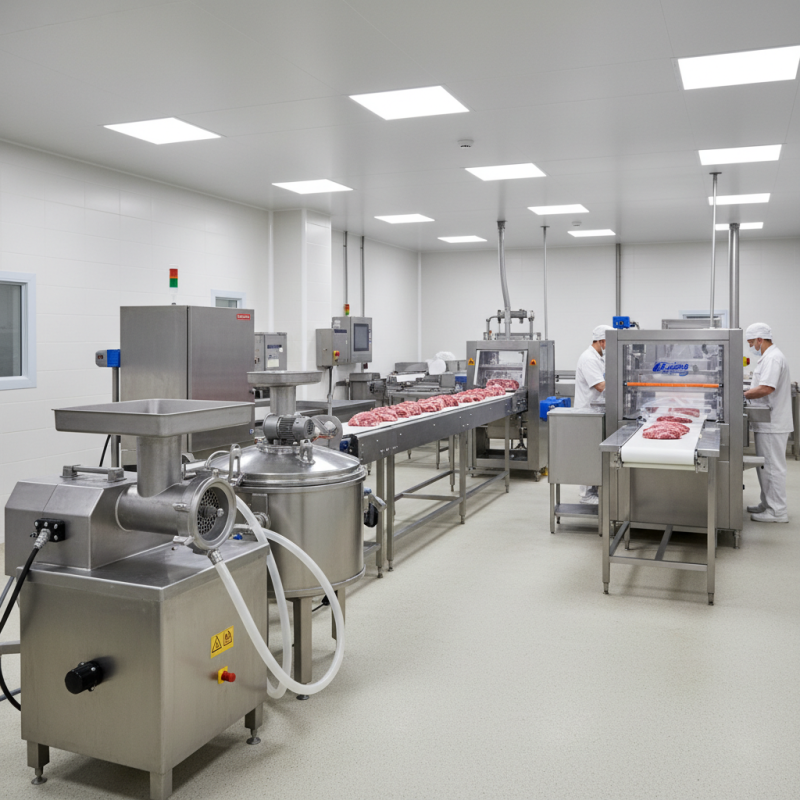
When choosing meat processing equipment, understanding the different types available is crucial. The equipment can be broadly categorized into machinery for cutting, grinding, mixing, and packaging. Each type serves a distinct purpose in the production chain. For example, meat grinders are critical for achieving the right texture in ground products, influencing the final flavor and quality.
According to industry reports, the global meat processing equipment market is projected to grow by 7% annually, indicating strong demand for efficient machinery. This growth implies that selecting high-quality equipment is essential for maintaining competitive advantages. Specialized machines, like automatic portioners and vacuum sealers, enhance efficiency and minimize waste. Investing in reliable equipment can lead to better yield and more sustainable practices.
However, it's vital to critically evaluate the long-term costs. While some equipment may have a lower initial price, factors such as maintenance and energy consumption can impact your bottom line. Understanding the specific needs of your processing plant and researching options can prevent future challenges. It's easy to overlook the importance of compatibility between different machines, which can lead to inefficiencies and bottlenecks in production.
Top Tips for Choosing Meat Food Processing Equipment
This chart represents the popularity of various types of meat processing equipment based on industry trends. Slicers and grinders tend to be the most favored, while stuffers and cookers see moderate usage in processing operations.
Key Factors to Consider When Selecting Processing Equipment
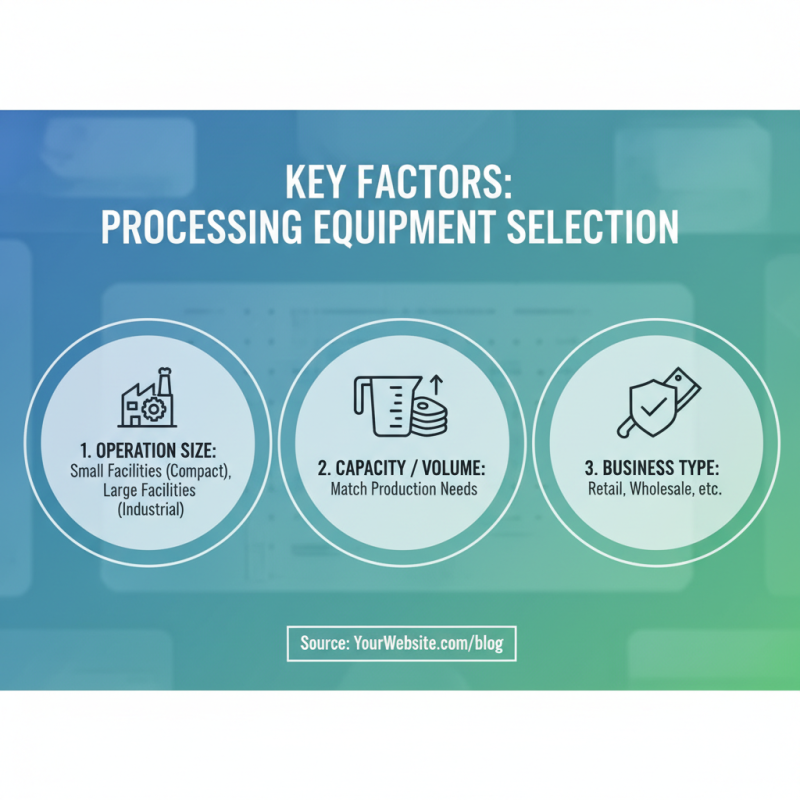
Choosing the right meat food processing equipment is crucial for any business. Start by considering the size of your operation. A small facility may require compact machinery. Larger operations benefit from industrial-grade equipment. Assess the capacity you need. Understanding your production volume helps in selecting appropriate machinery.
Next, think about the specific processes you perform. Do you need equipment for grinding, mixing, or packaging? Each process requires different tools. Ensure your equipment can handle the types of meat you process. Some machines work better with specific cuts or types of meat.
Maintenance is another key factor. Reliable equipment should be easy to clean and maintain. If maintenance becomes a hassle, it can slow down productivity. Also, consider energy efficiency. Equipment that uses less energy can reduce operational costs over time. Reflect on how often you will need to update your machines. Investing in long-lasting equipment may save money in the long run.
Assessing Your Business Needs for Meat Processing Machinery
Choosing the right meat processing equipment hinges on understanding your business needs. Start by analyzing your production volume. Are you a small butcher shop, or a large processing facility? Equipment capacity should match your demands. If you process 100 pounds of meat daily, choose machines that can handle that volume efficiently.
Consider the types of meat you'll process. Different machines serve various purposes. A grinder might be essential for ground meats, while slicers work well for deli cuts. It’s crucial to evaluate whether your production will expand in the future. Will your current equipment still meet needs as your business grows?
Maintenance and support are vital too. Research equipment longevity and availability of spare parts. Often, businesses overlook the costs associated with repairs and maintenance. Understanding these factors can save money in the long run. Find trusted suppliers who offer reliable service. This way, you can ensure smooth operations.
Evaluating Equipment Quality and Manufacturer Reputation
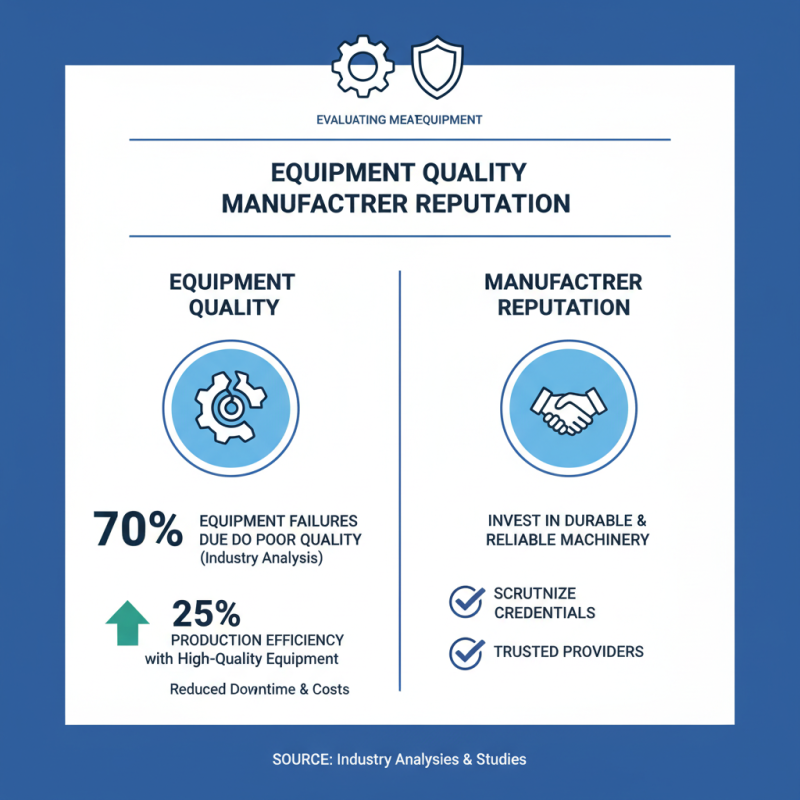
When selecting meat food processing equipment, the quality of the equipment and the reputation of the manufacturer play critical roles. According to industry analyses, approximately 70% of equipment failures arise from poor quality. Investing in durable and reliable machinery can significantly reduce operational downtime and maintenance costs. For instance, a study showed that high-quality equipment led to a 25% increase in production efficiency. Such figures underline the importance of scrutinizing both equipment quality and manufacturer credentials.
Manufacturer reputation is equally vital. A strong reputation often indicates a commitment to quality and customer service. Reports from trade associations suggest that 60% of processing plants prefer established manufacturers with decades of experience. These companies typically have robust support systems and a history of innovation. However, some manufacturers may prioritize cost over quality, leading to long-term issues. Thus, potential buyers should conduct thorough background checks, focusing on customer testimonials and industry reviews.
Incorporating feedback from current users can reveal critical insights about performance and reliability. Some equipment may initially appear attractive due to lower prices, but the hidden costs could outweigh the benefits. Investing time in researching manufacturers can uncover any customer concerns and experiences. Being informed about both quality and reputation can pave the way for better decision-making in the long run.
Budgeting for Meat Food Processing Equipment and Maintenance Costs
When budgeting for meat food processing equipment, several factors must be considered. Equipment costs can range significantly, often reaching up to 30% of the total investment. A recent industry report notes that the average cost for basic processing machinery can start from $50,000 for small operations. However, larger operations aiming for higher efficiency could see investments escalate to $250,000 or more.
Maintenance is another crucial aspect. Routine upkeep often consumes around 5-10% of the initial equipment cost annually. According to industry standards, failing to invest in maintenance can lead to costly breakdowns, some exceeding $15,000. For instance, equipment downtime can result in lost production hours, impacting overall profitability.
In practice, many businesses overlook these costs when planning budgets. This often leads to strained resources later. Seeking professional guidance can mitigate these oversights. Investing time to understand specific needs can lead to more informed decisions, reducing unexpected expenses. Engaging with industry experts can help identify efficient equipment that balances cost and longevity.
Top Tips for Choosing Meat Food Processing Equipment
| Equipment Type |
Estimated Cost (USD) |
Maintenance Frequency |
Typical Lifespan (Years) |
Energy Consumption (kWh/year) |
| Meat Saw |
$2,000 |
Monthly |
10 |
300 |
| Vacuum Packaging Machine |
$3,500 |
Weekly |
8 |
500 |
| Meat Grinder |
$1,500 |
Bi-weekly |
7 |
200 |
| Chop and Form Machine |
$5,000 |
Monthly |
10 |
600 |
| Smokehouse |
$8,000 |
Monthly |
15 |
800 |