10 Best Food Processing Equipment Suppliers Worldwide?

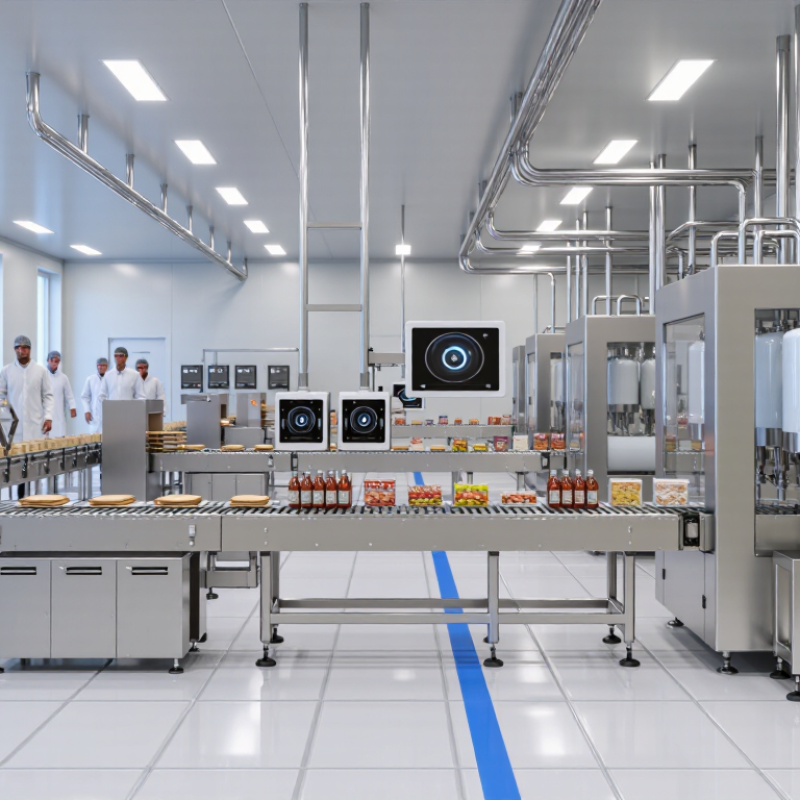
Food processing equipment is becoming central to safer, faster, and more traceable food production. A modern line may include stainless-steel conveyors, vision inspection cameras, filling systems, robotic handling, and clean-in-place technology. Each component affects product quality and operating cost.

Industry data shows why supplier selection deserves careful attention. Grand View Research estimates that the global food processing equipment market will continue expanding through 2030, supported by automation, convenience foods, and stricter hygiene expectations. MarketsandMarkets also identifies automation and processing efficiency as major market drivers. However, these reports use different definitions and forecasts. The numbers are useful, but not perfect.

PMMI’s Jorge Izquierdo has described this shift clearly: “Automation is becoming a necessity, not a luxury, for food processors.” His observation reflects what many plant managers experience daily. Equipment must reduce manual handling without creating difficult maintenance problems. It should also support sanitation, worker safety, energy control, and dependable after-sales service.

This guide examines 10 leading food processing equipment suppliers worldwide. The comparison considers engineering capability, product range, hygienic design, customization, digital integration, installation support, and global service coverage. These criteria matter more than brand visibility alone. A famous supplier may still be unsuitable for a small bakery or a regional dairy plant.

No ranking is completely objective. Production scale, food category, local technicians, and budget can change the best choice. The goal is practical judgment, not a perfect list. Expect details that help decision-makers compare real equipment, not just impressive brochures.
10 Best Food Processing Equipment Suppliers Worldwide?

What Defines a Leading Food Processing Equipment Supplier?

A leading food processing equipment supplier is defined by plant results, not a glossy catalog. It should understand product viscosity, microbial risks, cleaning chemistry, and the operator’s daily routine. PMMI’s 2024 food and beverage processing research identifies labor pressure and automation as major priorities. It also highlights flexible production.

That matters. The FAO’s 2019 State of Food and Agriculture estimates that 14% of food is lost between harvest and retail. UNEP’s Food Waste Index Report 2024 estimates 1.05 billion tonnes were wasted in 2022 across retail, food service, and households. Equipment that limits spillage, temperature drift, and failed batches can address part of this problem.

A strong supplier provides hygienic design, documented validation, spare parts, remote diagnostics, and trained technicians. Specifications should include measurable targets.

Not promises.

Buyers should compare changeover minutes, water use per batch, energy intensity, uptime, and mean time to repair. These figures expose weak proposals quickly.

Reliable suppliers test equipment with the actual recipe, packaging format, and cleaning schedule. They explain tolerances clearly and disclose limitations. No system is perfect. That is acceptable. Silence is not.

An honest supplier records trial results, supports audits, and improves after installation. That behavior builds trust.
Key Criteria for Comparing the Top 10 Global Suppliers

10 Best Food Processing Equipment Suppliers Worldwide?

Comparing the top ten global suppliers requires more than checking catalog size or purchase price. Start with application fit. A supplier should match your product, production volume, hygiene zone, and available floor space. Ask for test results using your ingredients, not generic samples. A small pilot trial can reveal sticking, uneven cutting, or difficult cleaning.

Build a weighted scorecard before contacting suppliers. Give clear weight to equipment performance, construction quality, energy use, and operator safety. Inspect stainless-steel welds, seals, drainage points, and access panels. These details matter during daily washdown. Request documented factory acceptance tests, installation records, and measurable output data. Claims without evidence should receive limited weight.

After-sales support often separates a reliable supplier from an impressive one. Compare response times, local technicians, spare-parts availability, training, warranty terms, and remote diagnostic controls. Review references from facilities with similar products and climates. Total cost includes utilities, labor, maintenance, downtime, and disposal of worn parts. No scorecard is perfect. A supplier may excel technically but struggle with communication across time zones. Another may offer strong service but lack a suitable trial line. Leave room for site visits, independent inspections, and uncomfortable questions before signing.

The 10 Best Food Processing Equipment Suppliers Worldwide

The 10 Best Food Processing Equipment Suppliers Worldwide are not chosen by appearance alone. Strong suppliers combine hygienic design, stable performance, and dependable technical support. Their equipment should match the product, production volume, and local operating conditions. A small bakery needs different machinery than a large dairy plant.

The leading suppliers usually provide mixers, slicers, filling systems, heat processors, conveyors, and packaging equipment. Stainless steel 316L is valuable where frequent washing creates corrosion risks. Smooth welds reduce residue buildup. Automated cleaning systems can save labor, but only when spray coverage is properly tested. I have seen impressive machines underperform because operators received weak training.

Reliable suppliers explain throughput using real production data, not optimistic brochure figures. They discuss energy use, maintenance access, spare-part availability, and food-contact certifications. Factory acceptance tests should measure temperature control, filling accuracy, noise, and emergency-stop performance. Documentation matters. Clear manuals help technicians correct small failures before they become costly delays.

No supplier is perfect. Short service distances can matter more than a slightly lower purchase price. A fast response can protect fresh ingredients during an unexpected shutdown. Buyers should also inspect reference installations and ask about failure records. One overlooked issue is water quality, which can damage valves and heating surfaces. Careful suppliers identify it early, although some still miss this detail. The best choice depends on evidence, practical experience, and honest communication.

Equipment Categories and Industries Served by Each Supplier

Choosing among the 10 best food processing equipment suppliers worldwide requires more than comparing price or factory size. Equipment categories reveal practical capability. The 2024 MarketsandMarkets report valued the global food processing equipment market at about USD 58 billion in 2023, with steady growth expected through 2028. That expansion reflects demand for safer, faster, and more traceable production lines.

Thermal-processing specialists serve canned foods, sauces, ready meals, and dairy products. Their systems may include pasteurizers, sterilizers, retorts, and heat exchangers. Mixing and homogenizing equipment supports beverages, bakery fillings, plant-based foods, and nutritional products. Conveyors, filling machines, and automated packaging lines usually serve almost every industry. Small details matter here. A poorly matched pump can damage texture, create waste, or slow cleaning.

Inspection and control equipment belongs in the same evaluation. X-ray, metal detection, checkweighing, and vision systems support meat, seafood, bakery, snack, and frozen-food plants. The PMMI 2024 Global Trends report highlights continuing investment in automation, labor efficiency, and flexible packaging operations. Meanwhile, FAO estimates that 13.2% of food is lost between harvest and retail. Better dosing, cooling, and storage equipment can reduce that gap, although suppliers rarely solve it alone.

Some comparisons remain imperfect. A supplier strong in beverage filling may lack deep experience with high-viscosity sauces. Stainless steel construction also does not guarantee easy sanitation. Buyers should request pilot tests, cleaning records, validated throughput data, and local service response times before selecting a system. Industry fit matters more than impressive brochures.

10 Best Food Processing Equipment Suppliers Worldwide? – Equipment Categories and Industries Served by Each Supplier

No. Anonymous Supplier Profile Primary Equipment Categories Typical Processing Stages Industries Served Common Hygienic Design Focus Typical Project Scope
1 Profile A – Bakery Systems Specialist Dough mixers, dividers, moulders, proofers, ovens, cooling conveyors, packaging lines Ingredient handling, mixing, fermentation, forming, baking, cooling and packing Bread, rolls, pastries, biscuits, cookies and industrial bakery products Washable surfaces, controlled dough temperature, allergen-management compatibility Single machines, complete production lines and factory automation
2 Profile B – Dairy Processing Specialist Pasteurizers, homogenizers, separators, cheese vats, filling machines, CIP systems Milk reception, separation, pasteurization, fermentation, filling and cold storage Milk, yogurt, cheese, cream, butter and fermented dairy products 316L stainless steel product contact parts, hygienic pipework and clean-in-place design Skid-mounted units, modular processing systems and turnkey dairy plants
3 Profile C – Meat and Poultry Line Builder Grinders, cutters, mixers, tumblers, injectors, fillers, smokehouses and slicers Cutting, grinding, marinating, mixing, forming, cooking, chilling and slicing Processed meat, poultry, seafood, sausages and ready-to-eat protein foods High-pressure washdown capability, drainage, food-safe lubricants and contamination control Processing cells, integrated lines and labor-saving automation
4 Profile D – Fruit and Vegetable Processing Specialist Washers, graders, peelers, slicers, blanchers, pulpers, evaporators and fillers Receiving, washing, sorting, cutting, blanching, concentrating, filling and preservation Canned vegetables, frozen produce, sauces, purees, juices and fruit preparations Gentle product handling, water reuse, corrosion resistance and hygienic drainage Seasonal processing lines, modular equipment and high-throughput installations
5 Profile E – Beverage and Liquid Filling Integrator Water treatment units, blending tanks, deaerators, pasteurizers, fillers and cappers Water preparation, batching, blending, thermal treatment, filling, capping and labeling Soft drinks, juices, bottled water, plant-based drinks, sauces and liquid foods Closed transfer systems, hygienic valves, controlled filling accuracy and CIP integration High-speed filling lines, process skids and complete packaging integration
6 Profile F – Snack and Extrusion Equipment Supplier Extruders, fryers, ovens, seasoning systems, conveyors and vertical form-fill-seal machines Ingredient dosing, extrusion, cooking, frying or baking, seasoning and packaging Potato snacks, corn snacks, cereals, protein snacks and expanded products Oil filtration, dust control, temperature uniformity and rapid product changeovers Continuous production lines, recipe control and automated packaging systems
7 Profile G – Confectionery and Chocolate Systems Specialist Melters, refiners, conches, tempering units, depositors, moulders and cooling tunnels Melting, refining, tempering, depositing, moulding, cooling and wrapping Chocolate, compound coatings, candy, toffee, fondants and filled confectionery Precise temperature control, product-contact hygiene and allergen changeover procedures Pilot systems, medium-scale lines and high-volume confectionery plants
8 Profile H – Grain, Milling and Powder Handling Supplier Cleaners, destoners, mills, sifters, pneumatic conveyors, mixers and bagging machines Cleaning, conditioning, milling, classification, blending, weighing and packing Flour, starch, cereals, pulses, spices, baking mixes and powdered ingredients Dust extraction, explosion-risk assessment, sieve accessibility and allergen segregation Process modules, storage-and-conveying systems and automated mills
9 Profile I – Ready-Meal and Prepared Food Equipment Provider Batch cookers, kettles, mixers, portioning machines, tray sealers and retort systems Ingredient preparation, cooking, mixing, portioning, sealing, chilling and reheating Ready meals, soups, sauces, frozen foods, meal kits and institutional catering Recipe repeatability, allergen control, thermal validation and easy-clean construction Batch-processing rooms, flexible production cells and complete prepared-food lines
10 Profile J – Packaging, Inspection and End-of-Line Automation Supplier Multihead weighers, checkweighers, metal detectors, case packers, palletizers and vision systems Weighing, filling, sealing, inspection, coding, case packing and palletizing Bakery, snacks, dairy, meat, frozen foods, produce and shelf-stable products Traceability, foreign-body detection, hygienic conveyor design and data logging Standalone packaging machines, line upgrades and fully automated end-of-line systems

How to Select the Right Supplier for Your Processing Needs

Choosing among the 10 best food processing equipment suppliers worldwide requires more than comparing prices. Grand View Research valued the global food processing equipment market at approximately USD 52 billion in 2023. Growth is expected to continue through 2030. That expansion creates options, but also confusion.

Start with your product, hourly output, temperature range, cleaning method, and available floor space. A supplier should provide hygienic design details, material certificates, performance testing, and documented maintenance procedures.

Ask for evidence from similar processing environments. Request a factory acceptance test using your actual ingredients, not only water. Check changeover time, washdown access, sensor accuracy, and spare-parts availability in your region.

13.2%
The Food and Agriculture Organization reports that 13.2% of food is lost between harvest and retail globally.

Better equipment may reduce waste, but only when operators can control it consistently. Training matters as much as stainless steel.

Study total cost over five to ten years. Include energy use, labor, cleaning chemicals, downtime, validation, and service travel. A cheap machine can become expensive after one failed seal or delayed controller.

Request references from users with similar production volumes. Then visit one site, if possible. A spreadsheet can still lie.

My own selection reviews have shown that impressive output claims often assume perfect materials, skilled operators, and uninterrupted utilities. Those conditions rarely exist. Leave capacity headroom, but avoid buying oversized equipment that runs inefficiently. Supplier transparency is a stronger signal than polished brochures.