Top Food Processing Equipment Trends You Need to Know?
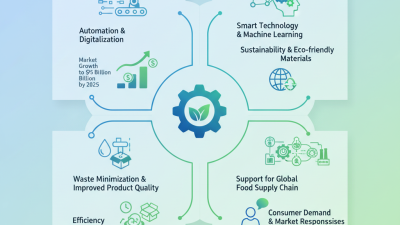
The food processing equipment industry is evolving rapidly, driven by technological advancements and changing consumer preferences. According to a report by MarketsandMarkets, the food processing equipment market is projected to reach USD 112.5 billion by 2025. This growth indicates a significant shift in how food is manufactured, stored, and distributed.
Automation and efficiency are now key drivers in this sector. For instance, many companies are adopting smart technologies like IoT devices to optimize operations. These innovations can drastically reduce downtime and enhance production capacity. However, challenges remain. For smaller businesses, the cost of upgrading to newer equipment can be prohibitive, leading to disparities in the industry.
Moreover, sustainability is a growing concern. The push for eco-friendly equipment is strong. Companies are now looking for solutions that minimize waste and energy use. Industry leaders are adopting practices that not only comply with regulations but also appeal to environmentally conscious consumers. This transition is crucial for long-term success in the competitive food processing landscape.
Emerging Technologies in Food Processing Equipment
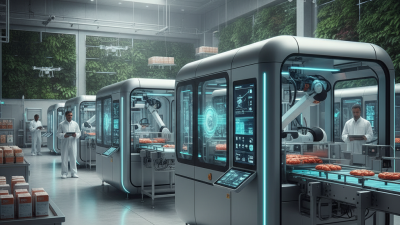
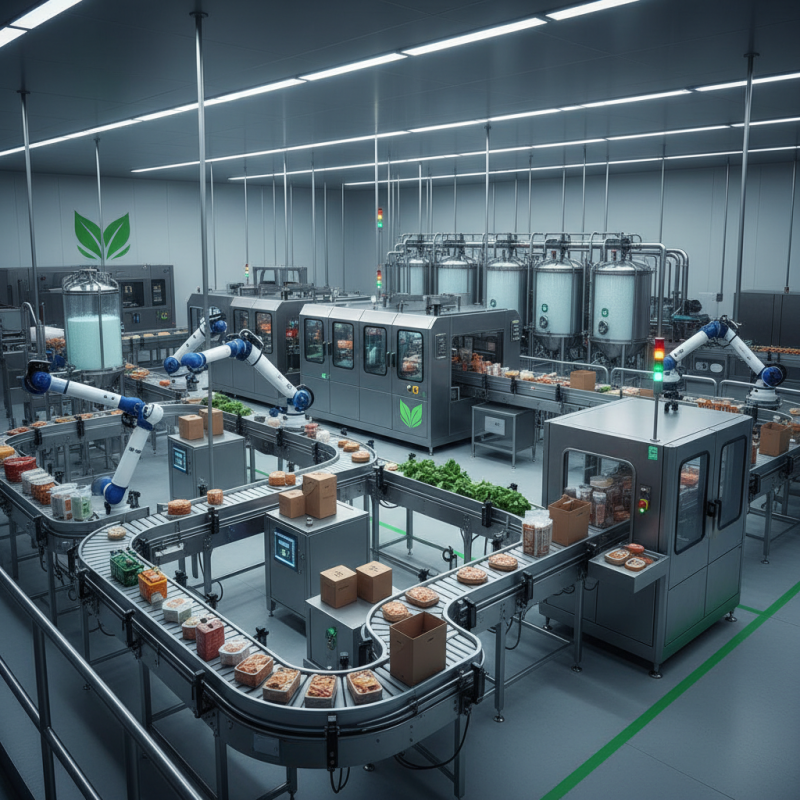
Emerging technologies are transforming food processing equipment. Automation is a key trend driving efficiency. Robotics streamline repetitive tasks, improving consistency. They can work alongside humans, focusing on heavy lifting and precision. This collaboration boosts productivity and reduces the risk of injuries.
Data analytics is becoming crucial in food processing. Sensors collect information about temperature and humidity. Real-time monitoring helps maintain quality and safety standards. Companies can predict equipment failures through data trends. However, not all businesses are equipped to handle these sophisticated technologies. A learning curve exists, and some may struggle to adapt.
Sustainability is another critical area. Equipment designed for energy efficiency can reduce operational costs. Innovations include machines that use less water and limit waste. However, the initial investment can be daunting for smaller companies. Balancing cost and sustainability often requires careful consideration. These emerging technologies continue to shape the landscape, but the journey isn’t without its challenges.
Sustainability Trends in Food Processing Machinery
Sustainability is becoming essential in food processing machinery. Manufacturers are increasingly looking for ways to reduce waste and energy consumption. This shift aligns with growing consumer demand for eco-friendly practices. Many facilities are adopting greener technologies, like energy-efficient motors and recyclable materials. These innovations can drastically lower the carbon footprint associated with food production.
Food processing equipment often consumes significant resources. Equipment that minimizes water usage and reduces energy can lead to major savings. Some machines now incorporate smart technology, monitoring performance and system efficiency. This allows adjustments in real-time, optimizing resource use. However, not all solutions provide immediate benefits. The initial investment may be high, requiring careful planning and consideration.
The road to sustainability isn't without challenges. Some existing machines may need extensive retrofitting. Not all companies have the budget for such upgrades. Education and training for staff on operating new technologies can also be daunting. Still, the push for sustainable practices in food processing will only grow stronger. A commitment to these principles could result in revolutionary changes for the industry.
Smart Equipment: Integrating IoT in Food Processing
The integration of IoT in food processing is transforming the industry. Smart equipment now collects data in real time. This connectivity improves efficiency and reduces waste. Sensors monitor temperature, humidity, and other conditions. Operators can access vital information remotely. This real-time insight allows for quicker adjustments.
However, implementing IoT technology has its challenges. Not all processing plants have the expertise to manage these systems. Training staff becomes essential for success. Additionally, cybersecurity risks increase with connected devices. Manufacturers must prioritize data security to protect sensitive information.
The advancements in smart equipment offer a wealth of opportunities. Yet, it's crucial to reflect on how these technologies are adopted. Some may struggle with the initial investment. Others might find the learning curve steep. Each facility must tailor its approach to its unique circumstances. Embracing IoT in food processing is a journey, not a destination.
Top Food Processing Equipment Trends You Need to Know
Food Safety Innovations in Processing Technologies
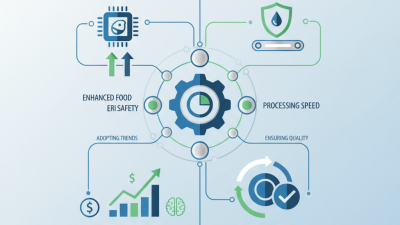
Food safety remains a crucial aspect of food processing. Innovations in processing technologies play a significant role in this area. According to recent industry reports, over 80% of foodborne illnesses are linked to improper handling and processing. Advanced monitoring systems are now being integrated into food processing lines. These systems can detect contaminants before products reach the consumer.
Another trend is the use of artificial intelligence (AI). AI-driven technologies analyze data from various sources to predict potential safety hazards. A study by the Food and Drug Administration noted that AI can increase detection rates of pathogens by 20-30%. However, reliance on technology alone is not enough. Human oversight is still essential to ensure that safety protocols are followed consistently.
Additionally, the incorporation of blockchain technology has gained traction. It offers traceability that can improve transparency in the supply chain. Consumers now demand to know the origin of their food. A report revealed that 70% of consumers are more likely to trust brands using blockchain for traceability. Despite these advancements, challenges persist. Many small-scale processors struggle with the costs of implementing these technologies. As the sector evolves, ongoing education and updates to best practices will be critical to enhance food safety standards.
Top Food Processing Equipment Trends You Need to Know
| Trend |
Description |
Benefits |
Expected Impact |
| Automation |
Increased use of robotics and AI to streamline processes. |
Improved efficiency and reduced labor costs. |
Higher production rates and consistent product quality. |
| Sustainability |
Adopting eco-friendly materials and processes. |
Reduction of carbon footprint and waste. |
Enhanced brand image and compliance with regulations. |
| Smart Technologies |
Integration of IoT and data analytics in food processing. |
Real-time monitoring and predictive maintenance. |
Minimized downtime and optimized resource usage. |
| Food Safety Innovations |
Advanced technologies for pathogen detection and prevention. |
Enhanced safety protocols and compliance with regulations. |
Increased consumer trust and reduced recall incidents. |
| Customizable Equipment |
Flexible machinery that can be tailored to specific needs. |
Adaptability for diverse product lines and changes in demand. |
Better market responsiveness and customer satisfaction. |