What Is a Veterinary Plastic Steel Syringe?

A Veterinary Plastic Steel Syringe combines a lightweight plastic body with a durable steel component, usually a needle, tip, or internal fitting. This design supports controlled fluid delivery during routine veterinary care. It may be used for medication, vaccination, flushing, or other procedures approved by a qualified veterinary professional.

The term can be confusing. It does not always describe one standardized product. Manufacturers may use it for different syringe constructions, sizes, and attachment systems. Therefore, buyers should inspect the barrel markings, seal quality, needle connection, and sterilization guidance. A clear scale matters. So does a smooth plunger.

Animal comfort matters too. “The best way to handle animals is to understand them,” animal-handling expert Temple Grandin has said. Her principle applies directly here. A syringe is not only a medical tool. It also affects restraint, movement, stress, and handler confidence. A nervous dog may react to a sudden needle movement. A horse may respond to pressure, noise, or poor positioning.

In practical use, veterinarians evaluate accuracy, grip, visibility, durability, and compatibility with prescribed solutions. Plastic can reduce weight and improve visibility. Steel can provide strength where repeated handling demands it. Yet neither material guarantees safe performance. Incorrect sizing, damaged seals, or careless reuse can create preventable problems. That part is easy to overlook.

This guide explains what a Veterinary Plastic Steel Syringe is, how its parts work, and what users should examine before selection. It also recognizes an important limitation: product terminology varies. Always follow the manufacturer’s instructions and the attending veterinarian’s judgment.
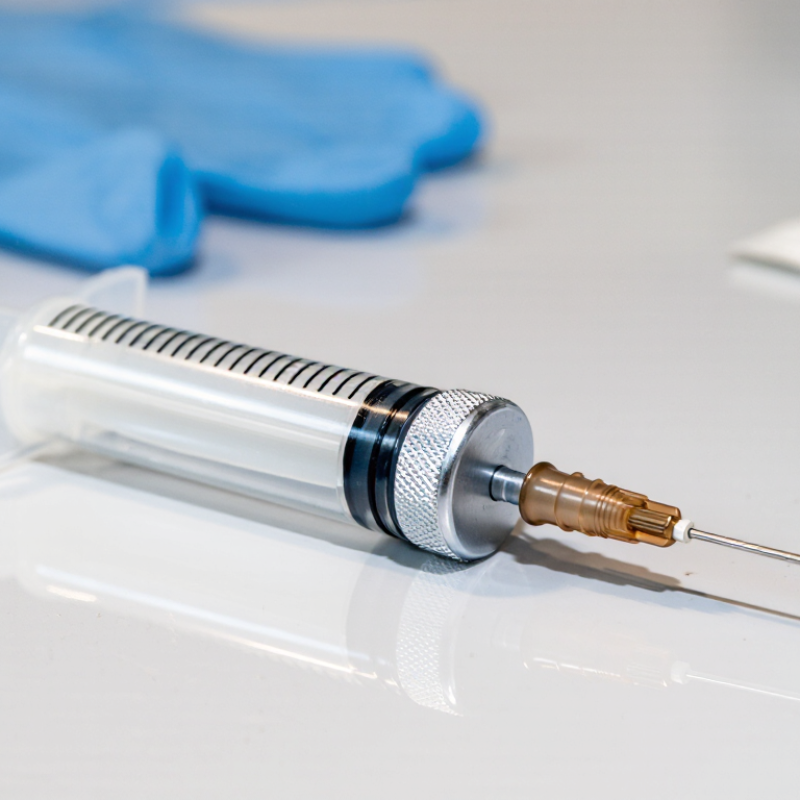
What Is a Veterinary Plastic Steel Syringe?

Definition and Basic Purpose of a Veterinary Plastic Steel Syringe

A veterinary plastic steel syringe usually means a syringe with a clear plastic barrel and a stainless-steel needle or tip. The term is practical, not a universal technical classification. Its basic purpose is accurate fluid delivery in animal care. Veterinarians may use it for vaccines, prescribed medicines, or measured flushing solutions. The barrel helps staff see the dose clearly. The steel needle provides strength and controlled penetration. Needle size must match the animal, injection route, and solution thickness.

WHO injection-safety guidance has cited about 16 billion injections worldwide each year. That figure concerns human healthcare, but it highlights a shared requirement: clean technique and reliable equipment matter. In veterinary practice, a damaged barrel can leak. A loose needle can cause painful movement. I have also seen dose markings misunderstood when staff work quickly. That small error deserves more attention than it receives.

Tips:

Check the graduation marks before drawing fluid. Confirm needle attachment and inspect the seal. Use sterile, single-use components when required by the treatment protocol. Never assume a “plastic steel” syringe is automatically suitable for every medication. Veterinary teams should follow the product instructions, local rules, and professional guidance from bodies such as WOAH. Record the animal, dose, route, and time. A simple record can reveal repeated technique problems.

Main Components and How the Syringe Is Constructed

A veterinary plastic steel syringe combines a lightweight polymer body with steel working parts. The barrel is usually transparent, allowing the caregiver to see the fluid level and trapped air. Molded graduation lines support dose measurement, although tiny markings can be difficult to read in poor lighting. The plunger contains a flexible rubber gasket, which creates a seal against the inner barrel. A stainless-steel needle or needle hub provides stiffness during insertion. The tip may use a threaded connection, helping reduce accidental separation during handling.

Construction quality depends on small details. The gasket must move smoothly without leaving residue. The barrel should resist cracking when held with gloved hands. Steel components need corrosion resistance, especially after contact with disinfectants. The Food and Agriculture Organization, World Health Organization, and World Organisation for Animal Health reported that dogs cause about 99% of human rabies cases, making reliable vaccination equipment important in field programs. That statistic does not prove every syringe performs equally. It only shows why controlled dosing matters.

Some products described as “plastic steel syringes” are not fully steel-reinforced. The phrase is not perfectly standardized. Veterinary teams should inspect material specifications, graduation accuracy, seal movement, and packaging integrity. A syringe may look precise but still waste fluid through a loose connection. Practical testing remains necessary, even when laboratory specifications appear convincing.

What Is a Veterinary Plastic Steel Syringe?

A veterinary plastic steel syringe combines a transparent plastic barrel with a metal plunger rod and, when required, a stainless-steel needle. The barrel holds the measured fluid, the stopper creates a seal, and the plunger transfers controlled pressure.

Chart explanation: These are common nominal capacities used for veterinary syringes. Smaller sizes support precise low-volume dosing, while larger sizes are used for fluid administration and other higher-volume procedures. The main construction typically includes five functional parts: barrel, plunger rod, elastomer stopper, needle hub, and needle.

How a Veterinary Plastic Steel Syringe Works

What Is a Veterinary Plastic Steel Syringe?

A veterinary plastic steel syringe combines a lightweight plastic barrel with a stainless-steel needle. The barrel holds medication, while the plunger controls its movement. Clear markings help the practitioner measure the prescribed volume. The needle connects through a secure tip and guides fluid into the selected tissue.

How a Veterinary Plastic Steel Syringe Works

The process depends on pressure changes inside the barrel. Pulling the plunger creates lower pressure, drawing medication through the needle. Pushing it creates pressure, moving the fluid into the animal. Before use, the professional checks the dose, needle condition, and visible air bubbles. Even a small bubble can affect accuracy, especially with very small doses. The syringe should remain steady, and the needle should enter at an appropriate angle for the injection site. Plastic barrels can flex slightly. That detail deserves attention.

Tips: Choose a syringe size close to the required dose for better control. Confirm the markings under good light. Keep the needle sterile and never use a damaged or bent one. Restraining the animal calmly can reduce sudden movement. It is easy to focus only on the plunger, but needle placement matters just as much. Follow the medication instructions and veterinary guidance for every procedure.

What Is a Veterinary Plastic Steel Syringe? - How a Veterinary Plastic Steel Syringe Works

Data Dimension Typical Specification How It Works Veterinary Application
Basic Construction A syringe commonly combines a transparent plastic barrel with a stainless-steel needle or a stainless-steel needle connection. The barrel contains the medication, while the plunger moves inside the barrel to draw in or expel liquid. The combination provides a lightweight body with a strong, sharp, and corrosion-resistant needle component.
Barrel Material Medical-grade polypropylene is commonly used for disposable syringe barrels. The transparent barrel allows the operator to observe the liquid level and detect visible air bubbles or contamination. A clear barrel supports dose checking before administration to an animal.
Needle Material Stainless steel is commonly used for veterinary needles because it offers rigidity, sharpness, and resistance to corrosion. The hollow needle creates a controlled pathway for transferring medication into or out of the syringe. Needle selection depends on the animal species, body size, injection route, medication viscosity, and injection site.
Common Capacities Common syringe capacities include 1 mL, 3 mL, 5 mL, 10 mL, 20 mL, 30 mL, and 50–60 mL. The selected capacity determines the maximum volume that can be drawn and delivered in one filling cycle. Smaller syringes generally support more precise measurement, while larger syringes reduce the number of refills for higher-volume treatments.
Graduation Scale Graduations are printed or molded on the barrel. Typical smallest divisions vary by syringe capacity and design. The operator aligns the leading edge of the plunger seal with the required graduation to measure the dose. A smaller graduation interval can improve dose-reading precision, especially for low-volume medications.
Plunger and Seal The plunger is usually plastic and may include an elastomeric seal or gasket at its front end. Pulling the plunger creates negative pressure for drawing liquid into the barrel. Pushing it creates positive pressure that forces liquid through the needle. A properly fitted seal helps reduce leakage and supports smooth, controlled administration.
Needle Gauge Needle gauge refers to the needle's outside diameter; a higher gauge number generally indicates a smaller outside diameter. The gauge affects flow resistance, penetration characteristics, and the suitability of the needle for a particular liquid. Thicker or more viscous medications may require a larger internal diameter, while delicate tissues may require a smaller needle when clinically appropriate.
Needle Length Needle lengths vary according to the animal, injection site, tissue depth, and administration route. The needle must reach the intended tissue without penetrating beyond the target area. Correct length selection helps support accurate subcutaneous, intramuscular, or other approved injection techniques.
Fluid Intake The needle is placed into the medication container, and the plunger is drawn back until the required volume is reached. The backward movement increases the internal volume of the barrel and lowers its pressure, allowing atmospheric pressure to push liquid into the syringe. The operator should check the measured volume and remove visible air bubbles before injection when required by the procedure.
Fluid Delivery The medication is delivered by pressing the plunger forward at a controlled rate. Forward plunger movement decreases barrel volume and produces pressure that pushes the liquid through the needle. Controlled delivery helps limit discomfort, leakage, and dosing errors.
Connection Type Common connections include slip-fit and threaded locking designs, depending on the syringe and needle configuration. The connection secures the needle to the syringe and helps maintain a continuous fluid path during use. A secure connection is particularly important when administering medication to large or moving animals.
Sterility Many disposable syringes and needles are supplied sterile and intended for single use. Sterile packaging protects the fluid path from contamination until the package is opened. Single-use practice helps reduce cross-contamination and infection risk. Local veterinary protocols and product instructions should always be followed.
Measurement Accuracy Accuracy depends on syringe design, graduation size, plunger fit, operator technique, and the volume being measured. The dose is read from the calibrated barrel while the syringe is held at eye level when practical. Using a syringe size appropriate to the prescribed volume can improve readability and dosing control.
Primary Advantages Lightweight plastic construction, visible contents, rigid metal needle options, and a broad range of capacities. The plastic body supports handling and visual measurement, while the steel needle provides the puncture and fluid-transfer function. These features make the design suitable for many routine animal medication and vaccination procedures when used by trained personnel.

Common Veterinary Uses and Suitable Animal Treatments

What Is a Veterinary Plastic Steel Syringe?

A veterinary plastic steel syringe usually combines a transparent plastic barrel with a stainless-steel needle or plunger component. The barrel allows accurate volume reading, while steel provides strength during handling. Some models are disposable, while others are designed for controlled cleaning and reuse. Always follow the manufacturer’s instructions and clinic protocols.

Common Veterinary Uses and Suitable Animal Treatments

Veterinary teams commonly use these syringes for vaccinations, prescribed antibiotics, pain relief, and fluid therapy. They may also deliver liquid medicines by mouth when animals resist swallowing tablets. Dogs and cats often need small, clearly marked syringes. Horses, cattle, sheep, and goats may require larger capacities and stronger needle assemblies. The correct size depends on the animal, medication, injection site, and prescribed dose.

Birds and small mammals need extra care because their bodies tolerate little dosing error. A narrow needle can reduce tissue damage, but it may not suit thick medication. A syringe should be clean, intact, and easy to read. Check the barrel for cracks and confirm that the plunger moves smoothly. A common mistake is measuring from the wrong graduation line. It can happen quickly. Needles must never be shared between animals, and used sharps require approved disposal. Even careful handling has limits, so a veterinarian should decide the route, dose, and syringe type for each treatment.

Cleaning, Safety, Storage, and Replacement Guidelines

What Is a Veterinary Plastic Steel Syringe?

Cleaning, Safety, Storage, and Replacement Guidelines

A veterinary plastic steel syringe usually combines a durable plastic barrel with steel fittings or a steel needle. It supports accurate dosing during routine animal care. Before each use, check the barrel, plunger, tip, and needle connection. A small crack can cause leakage or an incorrect dose. Do not rely on appearance alone. Smooth movement matters.

Cleaning starts immediately after use. Flush the syringe with clean water before residue dries inside the barrel. Then wash it with a suitable detergent, rinse thoroughly, and allow every part to dry. Reusable models should only be sterilized when their instructions permit it. Excessive heat may warp plastic components.

A quick rinse is not enough, especially after oily medicines. Inspect the tip under good lighting. Replace any needle that is bent, dull, blocked, or contaminated. Never share a needle between animals.

Store the syringe disassembled in a clean, dry container. Keep it away from dust, direct sunlight, and extreme temperatures. Protect the tip from contact with hard surfaces. Labeling a storage box can prevent accidental mixing of clean and used equipment. Replace the syringe when graduations fade, the plunger becomes loose, or the barrel develops cloudiness or cracks. Some syringes may still function then, but accuracy can already be uncertain. That is an easy detail to overlook. Follow the manufacturer’s instructions and your clinic’s hygiene procedures, and ask a veterinarian when the syringe’s condition is unclear.