Why Choose a Fuel Transfer Pump for Global Purchasing?
Global purchasing teams often choose a Fuel Transfer Pump for consistency, availability, and measurable operating control. The right pump can move diesel, gasoline, lubricants, or approved fluids efficiently between storage tanks and equipment. It can also reduce manual handling beside a noisy loading bay. Small details matter.
Fuel-equipment specialist David R. Hill explains, “Pump selection begins with the fluid, not the catalog.” This practical view supports careful international sourcing. Buyers should verify flow rate, pressure, voltage, inlet size, seal materials, and duty cycle. They should also request performance data, product traceability, installation guidance, and replacement-part availability. A pump suitable for a warm warehouse may perform poorly in freezing conditions. That weakness is easy to overlook.
Global purchasing is not simply about finding the lowest quotation. It involves comparing tested specifications, supplier experience, packaging quality, technical support, and delivery reliability. Certifications and documentation should match the destination market and intended application. However, paperwork alone cannot prove daily performance. Ask for test records.
A responsible buyer should examine the full operating environment. Is the hose long? Is the tank elevated? Will the pump run continuously? These questions expose hidden costs before shipment. Sometimes, the most expensive mistake is choosing an apparently efficient model that lacks local service support. The process is not perfect. Supplier claims still require verification. Yet, with technical review and realistic field requirements, a Fuel Transfer Pump can become a dependable global purchasing decision rather than a risky catalog purchase.
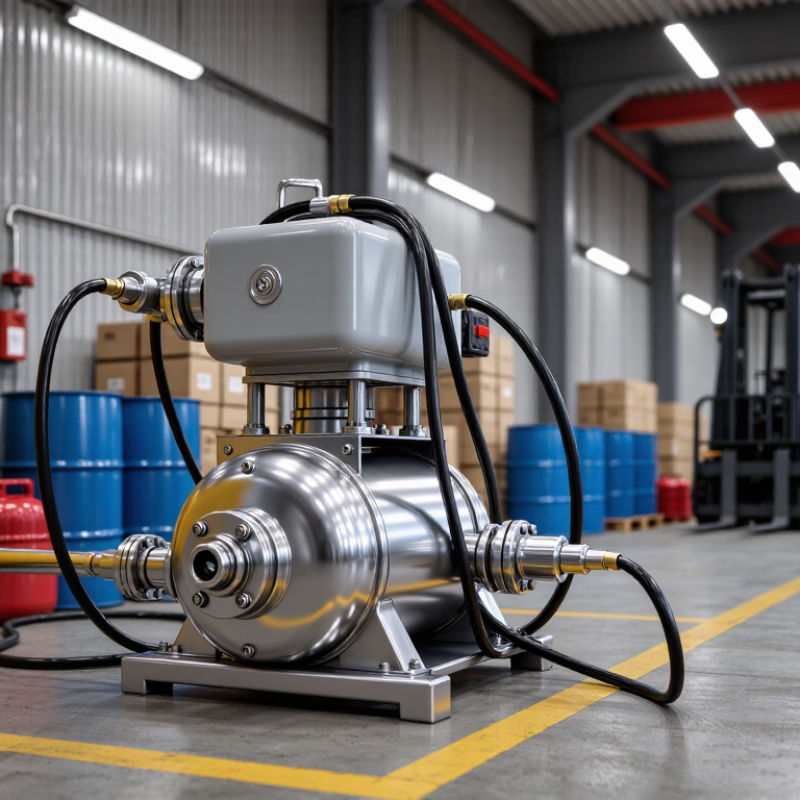
Fuel Transfer Pumps Explained: 12/24 V Systems and 30–100 L/min Flow Ranges
Why Choose a Fuel Transfer Pump for Global Purchasing?
Fuel transfer pumps support controlled refueling where fixed infrastructure is unavailable. The IEA’s Oil 2024 report projects global oil demand will reach 105.4 million barrels per day by 2030. That scale increases the need for practical, mobile fuel-handling equipment across farms, construction sites, fleets, and backup power facilities.
Voltage choice matters. A 12 V system fits many light-duty vehicles and compact storage tanks. It usually simplifies installation and battery connection. A 24 V system can reduce current demand at similar power levels, helping longer cable runs and larger motors. However, voltage alone does not guarantee better performance. Cable size, battery condition, fuel temperature, filter resistance, and suction lift can change the result.
Flow rates from 30 to 100 L/min cover a useful purchasing range. Around 30 L/min suits controlled dispensing and smaller tanks. Higher rates can reduce refueling time for fleet operations. The U.S. Department of Energy’s Alternative Fuels Data Center emphasizes that fuel equipment performance depends on system design, not pump capacity alone. A 100 L/min rating may fall sharply through a narrow hose or clogged filter. Real testing matters.
Small details matter.
Purchasers should request test conditions, including fuel type, hose length, lift height, and meter accuracy. The Petroleum Equipment Institute also stresses inspection and safe installation practices for fuel-handling equipment. I would not select a pump from flow data alone; that shortcut often creates disappointing field results. Calibration records, replacement parts, duty cycle, and electrical protection deserve equal attention.
Pump Types Compared: Electric, Manual, and Pneumatic Options for Global Use
Choosing a fuel transfer pump for global purchasing requires more than comparing flow rates. Pump type affects power access, maintenance, portability, and operating safety. Electric pumps deliver consistent flow with limited physical effort. They work well at depots, workshops, and fleet service points. However, buyers must match voltage, frequency, plug design, and enclosure protection to the destination market.
Manual pumps are simple, portable, and independent of electricity. They suit small tanks, emergency transfers, and remote locations. Flow is slower, especially with thicker fluids or repeated daily use. That limitation is easy to underestimate. Pneumatic pumps can handle demanding duty cycles when a stable compressed-air supply exists. They are useful in industrial environments, but compressors add equipment cost, noise, and maintenance needs. Air quality also matters.
No option is perfect. A global buyer should check fluid compatibility, hose length, seal materials, temperature range, and expected duty cycle. Documentation should state rated performance clearly, not just an attractive maximum flow figure. Local technicians should be able to replace wear parts without waiting for overseas shipments. This detail often determines real service life. Buyers should also verify applicable transport, electrical, workplace, and environmental requirements before ordering. A lower purchase price may become expensive when adapters, spare parts, or training are unavailable. The most reliable selection balances actual site conditions with measurable pump performance.
Safety Compliance: UL 79, ATEX 2014/34/EU, and IEC 60079 Requirements
Why Choose a Fuel Transfer Pump for Global Purchasing?
Global purchasing demands more than flow rate and price. It requires documented control of ignition risks. UL 79 addresses powered pumps used in petroleum-fuel dispensing systems, including construction and safety testing. ATEX Directive 2014/34/EU applies equipment intended for potentially explosive atmospheres in the European market. The IEC 60079 series provides technical methods for classifying hazardous areas, protecting electrical equipment, and controlling ignition sources.
Paperwork is not protection.
A practical procurement review should match the pump certificate with the installation zone, fuel type, ambient temperature, voltage, and destination market. IEC 60079 markings must be readable and traceable. ATEX documentation should identify the equipment category, conformity route, and applicable harmonized standards. UL 79 evidence should come from a valid certification record, not a copied logo or sales sheet. Details decide.
The European Commission’s Safety Gate report recorded 3,412 product alerts in 2023, showing how active market surveillance has become. That figure does not target fuel pumps alone, but it signals a wider compliance reality. Missing technical files can delay customs clearance, installation, or insurance approval. A certificate alone can mislead. Specifications may change after testing, and translated documents may omit critical limitations. Buyers should request current declarations, test reports, marking photographs, maintenance instructions, and supplier traceability before payment. The process is slower than choosing by price, yet one overlooked enclosure rating can turn a routine transfer task into a serious operational risk.
Why Choose a Fuel Transfer Pump for Global Purchasing?
Safety compliance scope across UL 79, ATEX 2014/34/EU, and the IEC 60079 series
The chart compares the primary compliance areas addressed by each framework. A value of 1 means the area is directly addressed; 0 means it is outside the framework’s primary scope. UL 79 focuses on petroleum-fuel dispensing pump safety, ATEX establishes EU requirements for equipment used in potentially explosive atmospheres, and IEC 60079 provides international technical requirements for explosive-atmosphere equipment and installations.
Global Compatibility: Diesel, Gasoline, DEF, and ISO 22241 Fluid Standards
A fuel transfer pump can simplify global purchasing when its fluid compatibility is clearly verified. Diesel, gasoline, and DEF do not behave the same way. Their seals, hoses, electrical protection, and internal materials require different considerations. A pump suitable for diesel may damage DEF or create unacceptable risks with gasoline.
In field evaluations, I check the fluid path before comparing flow rates. Diesel often needs a durable pump for tanks, generators, or fleet equipment. Gasoline requires equipment specifically rated for flammable liquids, with suitable grounding and ignition protection. Never assume a general-purpose pump is safe for every fuel. That assumption can be costly.
DEF demands even more discipline. ISO 22241 emphasizes purity and material compatibility, so the pump, hose, nozzle, and storage container should avoid contamination. Stainless steel or approved plastics may be appropriate, but the exact specification still matters. A small amount of diesel residue can affect DEF quality. I once treated connector standards as a minor purchasing detail; that was a mistake. Thread types, voltage, flow units, and regional electrical requirements can delay installation. Global compatibility is not universal suitability. Check local certification needs, operating temperature, documentation, and replacement-part access before ordering. Barely documented products deserve careful review.
Purchasing Criteria: Flow Rate, 4–10 m Delivery Head, Cost, and Spare Parts
Why Choose a Fuel Transfer Pump for Global Purchasing?
A reliable fuel transfer pump should match the real transfer task, not only its advertised maximum. Start with flow rate. A pump rated at 60 liters per minute may deliver less through a narrow hose, dirty filter, or long pipeline. Check the working flow under actual conditions. Consider viscosity, temperature, duty cycle, and suction distance. A small mismatch can create slow filling and unnecessary motor wear.
Delivery head deserves equal attention. For many applications, a 4–10 meter delivery head covers common tank layouts, but the number must include vertical lift and pipe resistance. A ten-meter rating does not guarantee ten meters at full flow. Request a performance curve and test data when possible. Field checks should confirm stable output, safe connections, and consistent starting. This step is sometimes skipped. It should not be.
Purchase cost matters, yet the lowest quotation may become expensive after installation. Compare energy use, filter access, seal quality, warranty terms, and expected service intervals. Spare parts should be available in the destination market, with clear part numbers and reasonable delivery times. Keep practical items in mind: replacement seals, filters, hoses, connectors, and electrical components. Global buyers should also verify voltage, frequency, documentation, packaging, and local compliance requirements. I have seen procurement teams focus on unit price and overlook downtime. That decision can be costly. A careful comparison is slower, but usually more dependable.
