How to Source Food Processing Equipment in 2026?

Sourcing food processing equipment in 2026 requires more than comparing prices and delivery dates. Buyers must connect machinery choices with hygiene, production goals, worker safety, and long-term maintenance. In the food processing industry, a low purchase price can hide expensive cleaning delays, spare-parts shortages, or unstable output.

Frank Yiannas, former Deputy Commissioner for Food Policy at the U.S. Food and Drug Administration, said, “Food safety is not a competitive advantage; it is a license to operate.” His statement should guide every equipment decision. Ask suppliers for documented hygienic design, clean-in-place performance, material specifications, and practical validation records. Visit a working installation if possible. Watch how operators open covers, replace seals, and clean difficult corners. Paperwork alone is not enough.

A reliable sourcing process also examines total ownership cost. Compare energy use, water demand, automation support, warranty terms, training, and local service response. Confirm whether the machine can handle your actual ingredients, viscosity, temperature range, and packaging format. Small details matter. A pump may meet its rated capacity but struggle with a thick sauce during a busy shift. That assumption needs testing.

Supplier reputation matters, but it should not replace evidence. Request references from facilities with similar products and production volumes. Check cybersecurity controls for connected equipment. Review spare-part availability before signing. No checklist is perfect. I would still leave room for pilot trials, because real production often exposes weaknesses that brochures conceal. This guide explains how to evaluate suppliers, verify equipment claims, and make a more defensible sourcing decision in 2026.
How to Source Food Processing Equipment in 2026?

Define Your Food Processing Equipment Needs and Production Goals

Before sourcing food processing equipment in 2026, define what your facility must produce. Record product types, daily volume, batch size, and operating hours. A small bakery needs different equipment from a frozen meal line. Measure available floor space, doorway width, drainage points, and electrical capacity. These details prevent expensive installation problems.

Set measurable production goals, not vague targets. Specify kilograms per hour, acceptable waste, changeover time, and required product consistency. For example, a vegetable line may need to wash 800 kilograms daily and reduce manual cutting by half. Include cleaning time in the calculation. Equipment that runs quickly but takes hours to sanitize may reduce real output. Hygiene, worker safety, and food-contact material requirements should guide every specification.

I once treated maximum capacity as the main buying factor. That was a mistake. Actual output depended on staffing, ingredient temperature, and cleaning delays. Build a simple workflow map from receiving to packing. Then ask suppliers for test data using similar ingredients. Check maintenance access, spare-part availability, training, warranty terms, and service response times. Leave room for seasonal demand, but avoid paying for unused capacity. A practical plan may look less impressive, yet it is easier to operate, verify, and improve.
Compare Equipment Types, Technical Specifications, and Processing Capabilities

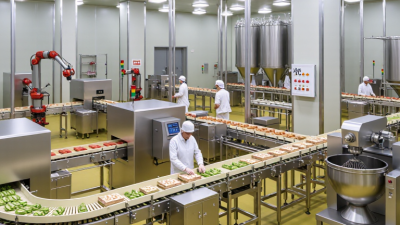
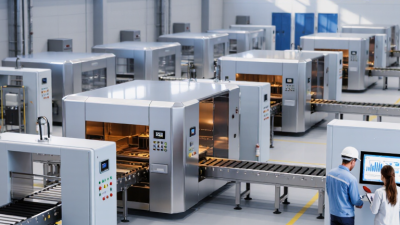
Sourcing food processing equipment in 2026 starts with the product, not the machine. Define ingredient moisture, particle size, viscosity, temperature, and hourly throughput before contacting suppliers. A small pilot test often reveals more than a polished specification sheet. I have seen a slicer pass dry trials, then struggle when chilled vegetables released surface water. Real production is less tidy.

For cutting compare blade geometry, feed control, cut tolerance, and cleanability.

For mixing check vessel capacity, agitator speed range, torque, and batch uniformity.

Thermal systems require heating method, temperature accuracy, residence time, and heat recovery data.

Dryers need airflow volume, humidity control, product bed depth, and final moisture targets.

For filling and packaging measure dosing accuracy, line speed, changeover time, and seal performance.

Do not compare motor power alone.

Ask for test results using your actual formulation, not a substitute powder. Request stainless steel grade, weld finish, gasket material, electrical standards, guarding, and sanitation procedures. Processing capability should include continuous operation, recipe flexibility, fault recovery, and operator training. Check service response, spare-part lead times, documentation, and acceptance testing in writing. I would also budget for water, steam, compressed air, drainage, and floor loading. These details are easy to miss.

One uncomfortable question remains: can the equipment maintain quality during the worst shift, not just the demonstration?

Evaluate Suppliers, Certifications, Costs, and After-Sales Support

Sourcing food processing equipment in 2026 requires more than comparing quotations. Start with the supplier’s process knowledge. Request a factory acceptance test using your actual product, moisture level, temperature, and cleaning routine. Watch the operator change parts. Small delays often become large production losses.

Certification evidence deserves careful checking. The ISO Survey 2023 recorded more than 50,000 ISO 22000 certificates worldwide, but a certificate alone proves limited capability. Verify its scope, expiry date, audit status, and site address. Ask for hygienic design documents, material specifications, electrical compliance, and validated cleaning procedures. The FAO reported that 13.2% of food was lost between harvest and retail in 2021. Poor dosing, sealing, or temperature control can contribute to that loss. The equipment must fit the process, not merely display impressive paperwork.

Build the cost model across ten years. Include installation, utilities, spare parts, training, validation, downtime, and software support. A lower purchase price may hide expensive imported components or slow technical responses. PMMI’s 2024 industry reporting placed U.S. packaging machinery shipments above 10 billion dollars, showing a large and competitive equipment market. Still, market size does not guarantee dependable service. Ask for response-time commitments, local technicians, critical spare-part stock, and remote diagnostic access. Test the support line before signing. It is a useful warning. Some suppliers answer quickly during sales, then disappear after commissioning. I would also request two recent customer references with similar production conditions. One reference is not enough.

How to Source Food Processing Equipment in 2026? - Evaluate Suppliers, Certifications, Costs, and After-Sales Support

Practical comparison framework using indicative 2026 market ranges. Costs vary by capacity, automation, materials, utilities, shipping, installation, and local compliance requirements.

Equipment Category Typical Capacity Indicative Equipment Cost (USD) Key Certifications / Compliance Supplier Evaluation Criteria Recommended After-Sales Support Typical Lead Time
Mixers and Blenders 50–2,000 kg per batch $8,000–$120,000 Food-contact material documentation; hygienic design; electrical conformity for the installation market 316L stainless-steel contact parts, validated mixing results, discharge design, cleaning access, spare-parts availability 12–24 month warranty; remote troubleshooting; commissioning; documented cleaning and maintenance procedures 10–24 weeks
Conveyors and Material Handling 0.5–20 tonnes per hour $5,000–$150,000 per line section Food-grade belt or contact-surface declaration; machine safety; washdown suitability where applicable Belt accessibility, transfer-point hygiene, guarding, variable-speed control, integration with upstream and downstream equipment On-site installation supervision; belt and motor spares; response time of 24–48 hours for critical faults 8–20 weeks
Thermal Processing Equipment 100–5,000 kg per hour $40,000–$600,000 Pressure-vessel compliance where required; HACCP-based process controls; temperature measurement calibration records Uniform heat distribution, process validation capability, energy consumption, control-system traceability, safety interlocks Installation qualification; operator training; calibration support; annual preventive-maintenance agreement 16–36 weeks
Filling and Sealing Machines 20–300 packages per minute $35,000–$400,000 Food-contact declarations; machine safety; packaging-material compatibility; applicable electrical conformity documentation Fill-weight accuracy, seal integrity, format-change time, hygienic access, reject control, production data logging Factory acceptance test; site acceptance test; remote diagnostics; stocked wear parts; software-update policy 14–32 weeks
Inspection and Checkweighing Systems 30–250 packages per minute $12,000–$180,000 Metrology documentation where legal-for-trade use applies; electromagnetic compatibility; food-safety risk assessment Detection sensitivity, false-reject rate, calibration procedure, data integrity, washdown rating, line-speed compatibility Calibration certificates; periodic verification; replacement sensors; remote access with cybersecurity controls 10–24 weeks
Cold Storage and Refrigeration 10–1,000 m³ storage volume $25,000–$500,000 Refrigerant and pressure-system compliance; insulation performance; electrical safety; temperature-monitoring requirements Temperature uniformity, refrigerant type, energy efficiency, defrost strategy, alarm redundancy, service-network coverage 24/7 alarm escalation; emergency refrigeration service; refrigerant management; quarterly performance checks 12–30 weeks
Supplier Due Diligence
Verify operating references, audited quality systems, technical staffing, financial stability, export experience, and documented production capacity.
Certification Check
Request certificates, declarations, material records, risk assessments, calibration documents, and the exact scope covering the proposed equipment.
Total Cost of Ownership
Budget for freight, duties, installation, utilities, validation, training, consumables, spare parts, maintenance, and planned production downtime.
Contract Protection
Define acceptance tests, performance guarantees, delivery milestones, warranty exclusions, response times, spare-parts terms, and training obligations.

Cost ranges are indicative planning figures for new equipment and exclude taxes, freight, site construction, utilities, installation, and validation unless expressly included in the quotation.

Verify Equipment Quality Through Audits, Testing, and Reference Checks

How to Source Food Processing Equipment in 2026?

A supplier’s brochure is only a starting point. I prefer seeing the equipment before approving a purchase. During a factory audit, inspect stainless steel welds, frame corners, seals, drains, and control cabinets. Look for trapped product around joints. That small detail often predicts cleaning problems later. Ask how materials are traced from delivery to assembly. Review calibration records, inspection reports, and corrective action logs. Documents matter, but physical evidence matters more.

Testing should mirror real production conditions. Request a factory acceptance test using a similar product, moisture level, and operating speed. Measure output, temperature stability, vibration, noise, and energy use. Check whether operators can remove guards and components safely for sanitation. Keep test results with photographs and signed records. A short demonstration can hide a long-term weakness. Allow enough time for repeated runs. One successful run proves very little.

Reference checks should include recent users, not only selected testimonials. Ask about downtime, spare-part response, cleaning time, and performance after twelve months. Speak with the maintenance supervisor if possible. Their answers are usually less polished. Our own checklist is never perfect. We once focused heavily on capacity and underestimated changeover time. That mistake taught us to observe operators, not just machines. Before final approval, compare audit findings, test data, and reference feedback. Any unresolved contradiction deserves another inspection.

How to Source Food Processing Equipment in 2026?

Verify equipment quality through audits, testing, and reference checks.

This evidence checklist is based on common food-equipment qualification practices and requirements covering hygienic design, cleanability, material suitability, process performance, documentation, and operational references. Request objective records before purchase, then confirm performance through factory acceptance testing and site acceptance testing.

Reference framework: FDA 21 CFR 117.40 and 117.80, ISO 22000 food-safety management principles, and hygienic-design verification practices.

Finalize Purchasing, Installation, Training, and Compliance Requirements

How to Source Food Processing Equipment in 2026?

Finalize the purchase around your process, not a supplier’s standard brochure. Define product type, hourly capacity, batch size, cleaning method, and acceptable waste. Request drawings, utility loads, food-contact material declarations, safety documents, spare-parts lists, and maintenance intervals. Get it in writing. A low quote can hide installation costs, custom changes, or lengthy downtime. Compare complete ownership costs, not only the equipment price.

Before delivery, confirm floor loading, drainage, electrical supply, water quality, compressed air, ventilation, and service access. Leave enough space for inspection and cleaning. Require factory testing against agreed performance criteria, then repeat key checks after installation. Record temperatures, speeds, weights, and alarm functions. Small details matter. A missing drain point can delay production for weeks. Site acceptance should include sanitation checks, calibration records, guarding inspections, and documented corrective actions.

Training should cover normal operation, cleaning, changeovers, troubleshooting, and safe maintenance. Use short procedures with photographs near the control panel. Train operators, supervisors, maintenance staff, and cleaners separately. Keep attendance and competency records.

Compliance requirements may involve food safety controls, allergen management, traceability, worker protection, environmental rules, and local inspection requirements. Ask a qualified compliance professional to review the final setup. Requirements vary by location.

One area deserves more attention: teams often approve equipment before testing real products, then discover unexpected foaming, sticking, or inconsistent filling. Pilot trials and honest post-installation reviews can prevent that mistake.