Top 10 Drying Equipment Manufacturers Worldwide?
Choosing the world’s top 10 drying equipment manufacturers requires more than comparing company size or product catalogs. A serious evaluation must examine thermal efficiency, moisture control, automation, maintenance support, and proven results across industries. Food processors may need gentle, hygienic drying. Pharmaceutical plants demand precise temperature control and validated performance. Chemical manufacturers often prioritize throughput, safety, and resistance to corrosive materials.
Arun S. Mujumdar, a leading drying technology expert and editor of the Handbook of Industrial Drying, described the field clearly: “Drying is one of the oldest, most common and most energy-intensive unit operations in chemical and process engineering.” His observation remains highly relevant. Energy bills, product quality, and production speed are closely connected.
This introduction presents manufacturers with a practical, evidence-based perspective. It considers spray dryers, rotary dryers, fluidized-bed systems, vacuum dryers, freeze dryers, and specialized industrial designs. Public company information, technical capabilities, global service networks, and customer experience all matter. Claims should be checked against actual installations, not attractive brochures.
There is no perfect ranking.
A manufacturer leading in spray drying may not excel in freeze drying. A smaller specialist may outperform a global supplier in one demanding application. That limitation deserves attention. The final selection should match the material, capacity, moisture target, operating environment, and budget. Real performance is often decided inside the plant, beside a warm exhaust duct, after months of operation.
Drying Equipment: Scope, Types, and Selection Criteria
Top 10 Drying Equipment Manufacturers Worldwide?
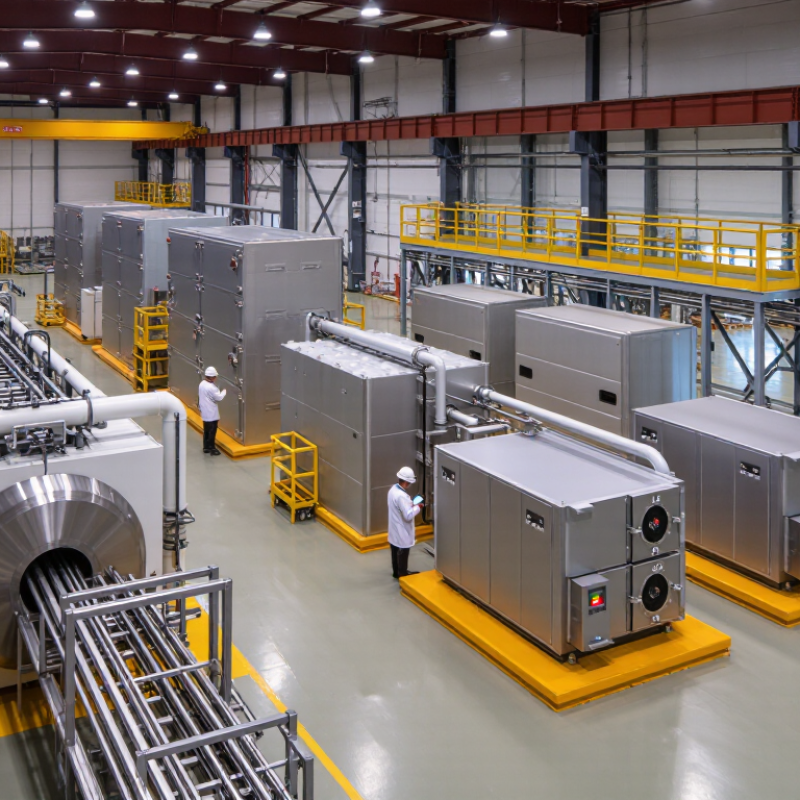
Drying equipment serves food, pharmaceuticals, chemicals, minerals, and wastewater processing. Each sector demands different temperature control, airflow, and material handling. Common types include tray dryers, rotary dryers, fluid-bed dryers, spray dryers, vacuum dryers, and freeze dryers. A tray dryer suits small batches and flexible production. Rotary systems handle large volumes of granular materials. Spray dryers create powder from liquids, while vacuum systems protect heat-sensitive products.
Selection should begin with the material, not the machine catalogue. Check moisture content, particle size, feed viscosity, throughput, and final quality requirements. Energy use matters, but unstable airflow can create uneven drying and costly rework. Ask manufacturers for test data using your actual material. Review cleaning access, control accuracy, spare-part support, and operator safety. A compact unit may appear efficient, yet limited access can slow maintenance.
Tips: Measure the inlet and outlet moisture separately. Confirm the real production rate, not the advertised maximum. Request a pilot trial when the material changes seasonally. Keep records of drying temperature, residence time, and energy consumption. These details reveal performance gaps. I have found that selection decisions sometimes focus too heavily on purchase price. That is a mistake worth revisiting. A reliable comparison should include installation, downtime, cleaning, and long-term operating costs.
Top 10 Drying Equipment Manufacturers Worldwide? — Drying Equipment: Scope, Types, and Selection Criteria
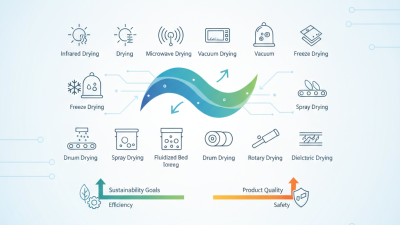
Drying equipment selection depends on product sensitivity, feed form, throughput, moisture content, operating pressure, and heat-transfer method. The chart below compares representative process-temperature windows for ten common industrial dryer types. Actual conditions vary by material, solvent, residence time, and equipment design.
Selection note: Lower-temperature systems are generally preferred for heat-sensitive products, while flash, rotary, and spray dryers are commonly used when high evaporation rates and continuous processing are required.
Profiles of the Top 10 Drying Equipment Manufacturers Worldwide
Profiles of the Top 10 Drying Equipment Manufacturers Worldwide
The leading ten manufacturers serve different production realities. One profile specializes in spray dryers for dairy powders, with stable temperature control and cleanable chambers. Another focuses on rotary dryers for minerals, biomass, and high-volume processing. A third builds fluid-bed systems that improve moisture uniformity in pharmaceutical and food applications. One manufacturer is known for vacuum drying, helping protect heat-sensitive materials under reduced pressure. Another designs belt dryers for continuous lines, where airflow and residence time need close monitoring. Practical experience matters here. Operators often judge equipment by access doors, filter changes, and cleaning time.
A further profile centers on freeze-drying systems, offering precise shelf temperature control and traceable batch records. Another supplies drum dryers for pastes, slurries, and concentrated liquids. A ninth manufacturer develops microwave or hybrid drying systems, reducing drying time in selected applications, though energy results can vary. The tenth focuses on custom industrial dryers, combining conveyors, sensors, and heat recovery for unusual materials. Reliable suppliers usually provide pilot testing, process data, installation guidance, and operator training. They also explain limitations clearly. That point is often missed. Public rankings can be imperfect because sales figures, regional service quality, and long-term maintenance data are not always available. A smaller supplier may outperform a larger one in a specific process, especially when spare parts and technical support are nearby.
Technologies and Industries Served by Leading Manufacturers
Top 10 Drying Equipment Manufacturers Worldwide: Technologies and Industries Served by Leading Manufacturers
Leading drying equipment manufacturers differ less by marketing claims than by process control, application experience, and service reliability. In plant assessments, engineers often examine moisture uniformity, energy use, cleaning access, and spare-part response. These details matter when production runs continuously.
Spray dryers convert liquid feeds into powders within seconds. Food processors use them for dairy ingredients, flavors, and nutritional formulations. Pharmaceutical facilities require controlled temperature profiles and validated cleaning procedures. Fluidized-bed dryers handle granules efficiently, while vacuum dryers protect heat-sensitive materials under reduced pressure. Freeze dryers serve premium biological and pharmaceutical applications, although their cycle times remain demanding.
Rotary, belt, drum, and paddle dryers support minerals, biomass, chemicals, and wastewater solids. Each technology suits a different feed behavior. Sticky materials can create deposits, uneven airflow, or unexpected downtime. No machine is perfect. A reliable manufacturer should explain those limits instead of promising universal performance. Factory trials, moisture testing, and documented operating data provide stronger evidence than polished brochures. Energy recovery can reduce operating costs, but installation complexity may increase. Operators also need clear controls, safe access, and practical training. Selection should reflect the actual feed, target moisture, throughput, and local maintenance skills. Guesswork still causes expensive failures.