Global buyers are asking a sharper question: which meat products offer dependable quality, stable supply, and strong consumer appeal? The answer is rarely one universal product. Beef, pork, poultry, lamb, and processed meats serve different markets, diets, price points, and culinary traditions. Buyers often examine marbling, cut consistency, shelf life, packaging, traceability, and cold-chain performance before signing contracts. A frozen chicken breast may suit institutional kitchens, while premium chilled beef may fit high-end restaurants. Both can be valuable.
Dr. Temple Grandin, a respected animal-science expert, has said, “The worst thing you can do is to throw an animal into a panic.” Her observation matters beyond animal handling. Lower stress, careful processing, and disciplined hygiene can support better quality and more reliable meat products. Experienced buyers also check certification, production records, export documentation, and supplier responsiveness. A polished sample is not enough.
Supply details matter.
This overview will compare the meat products most relevant to international buyers. It will consider demand, usability, pricing pressure, storage needs, and quality expectations across regions. It will also recognize an uncomfortable truth: the “best” product can change quickly. Weather, feed costs, logistics delays, and shifting consumer preferences can alter the market within weeks. Even careful forecasts can miss something. For that reason, buyers should combine expert advice with verified supplier data, product testing, and direct factory audits. The strongest purchasing decision is not always the cheapest one. It is the one that remains dependable after the container leaves the port.
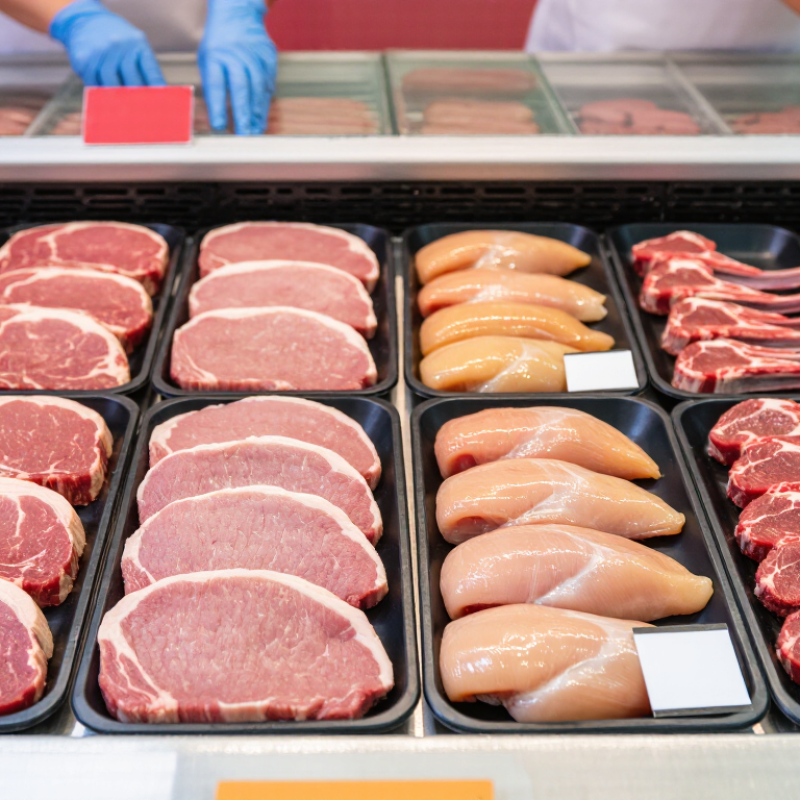
What Are the Top Meat Products for Global Buyers?
Global Meat Products: Definitions, Categories, and Market Scope
For global buyers, “meat products” means more than packaged cuts. The term covers edible animal tissue sold fresh, chilled, frozen, dried, cooked, or preserved. It may also include offal, minced meat, and prepared products, depending on customs codes and contract language. Definitions are not perfectly uniform. That gap matters.
Commercial categories usually begin with species: beef, pork, sheep and goat meat, poultry, and sometimes game. Seafood is commonly traded separately, although consumers may group it with animal protein. Buyers then classify products by form, including primal cuts, portions, sausages, cooked items, and food-service packs. A frozen carton and a chilled vacuum pack are not interchangeable. Shelf life, storage temperature, and inspection documents change.
The market scope reaches retail, restaurants, institutional catering, food ingredients, and cross-border trade. FAO’s Food Outlook, November 2024, estimated global meat production at about 374 million tonnes in 2024. The OECD-FAO Agricultural Outlook 2024–2033 identifies poultry as the fastest-growing major meat category. Growth alone does not make it the best purchase. Specifications should state species, cut, weight range, fat level, origin, freezing method, and required certifications. Buyers often focus on price first, then discover yield losses or inconsistent sizing. A low unit price can become expensive after trimming, thawing, and rejected cartons.

Beef, pork, and poultry form the practical core of global meat trade. Their roles differ by cuisine, price, shelf life, and processing demand. Beef buyers often focus on primal cuts, lean yield, marbling, and origin records. Chilled beef can serve premium foodservice, while frozen beef supports longer routes and steadier inventory. The detail matters. A small temperature failure can damage color, texture, and buyer confidence.
Pork offers broad flexibility, from loins and shoulders to bellies and processed cuts. Buyers usually compare fat levels, trimming standards, weight ranges, and packaging formats. Poultry moves quickly through retail and foodservice channels. Breast meat, wings, legs, and whole birds each serve different demand patterns. Frozen poultry often provides useful supply consistency, but thawing history and ice buildup deserve close inspection. They can reveal weak handling.
Reliable trade depends on more than product appearance. Suppliers should provide traceability records, veterinary documentation, production dates, storage conditions, and clear carton specifications. Buyers also need to check cold-chain capacity at the destination, not only at shipment. In actual purchasing, the lowest quotation is rarely the complete answer. Freight, insurance, inspection, storage, and delivery timing can change the landed cost. A common mistake is treating all suppliers as equally capable. Specifications still fail. Regular audits, sample checks, and honest communication reduce that risk, although no system removes every uncertainty.
Processed meat products serve different needs across global food markets. Common forms include cooked ham, sliced luncheon meat, sausages, meatballs, burger patties, and seasoned minced meat.
Buyers may choose chilled products for short-distance distribution. Frozen formats usually support longer storage and wider shipping plans.
Canned products offer stronger shelf stability, although their texture may differ from fresh-style items.
Commercial presentation matters as much as the recipe.
Retail packs often use vacuum-sealed trays, modified-atmosphere packaging, or resealable bags. Foodservice buyers may prefer bulk cartons, fixed-weight blocks, or individually quick-frozen portions.
These formats can reduce kitchen labor and improve portion control. A reliable supplier should provide ingredient specifications, allergen details, production dates, storage temperatures, and traceability records.
Clear documentation builds trust. It also helps buyers compare suppliers fairly.
Tips:
Confirm the required pack weight, storage temperature, shelf life, and delivery route before ordering. Test samples after cooking, not only when frozen.
A product may look excellent in a catalog but perform poorly on a busy grill. Buyers should also review labeling rules and import requirements in the destination market.
No single form fits every customer. Sometimes, smaller packs create unnecessary packaging waste. That point deserves honest review before large-scale purchasing.
Lamb remains popular for its tender texture and rich flavor. Buyers often request chilled cuts, frozen portions, and consistent fat coverage. Goat meat is gaining attention in regional cuisines and value-focused markets. Its lean profile requires careful aging and cooking guidance. In my sourcing reviews, reliable suppliers provide origin records, veterinary documents, and clear processing dates. These details matter when shipments cross several borders.
Seafood offers strong variety, from white fish and shellfish to ready-to-cook portions. Quality can change quickly. Buyers should examine harvest areas, temperature logs, glazing percentages, and packaging strength. Alternative proteins are also expanding, including plant-based products and cultivated-protein research categories where legally approved. Their success depends on taste, texture, allergen information, and honest labeling. Some products look convincing in samples but perform poorly after reheating. That weakness deserves attention.
Tips: Confirm import rules before negotiating volume. Request product samples from different production batches. Check cold-chain records, not just marketing claims. For lamb and goat, compare yield after trimming. For seafood, inspect odor, firmness, and thaw loss. For alternative proteins, test cooking performance with ordinary kitchen equipment. Sustainability claims should include measurable sourcing evidence. A perfect supplier rarely exists, and buyers may need to balance price, consistency, and environmental goals.
Global buyers often select beef, poultry, pork, and frozen seafood for their stable demand. Beef is valued for premium cuts, while poultry offers flexible pricing and fast preparation. Pork remains popular in many markets because it suits fresh, frozen, and processed applications.
Product quality is only one part of the decision. Buyers check color, texture, fat distribution, cut size, and water retention. They also review microbiological controls, packaging strength, storage temperature, and remaining shelf life. A reliable supplier should provide clear traceability from processing to shipment. Documents must match the actual product. Small inconsistencies can create expensive delays.
Cold-chain performance matters greatly. A good product can lose value after one temperature failure. Buyers also compare production capacity, delivery records, payment terms, and communication speed. Animal welfare and responsible sourcing increasingly influence purchasing decisions, although requirements differ by market. No evaluation is perfect. Some buyers focus heavily on price and later discover hidden logistics costs.
Tips: Request product samples before signing large contracts. Confirm carton weights, glaze levels, labeling rules, and delivery temperatures. Ask for recent inspection records, not only standard sales documents. Keep a written product specification. It prevents misunderstandings. Also, leave room for seasonal variation, because raw material quality can change.