China Top 10 Food Industry Manufacturers for Global Buyers

China’s food industries have become important sourcing partners for global buyers. Their products range from grains and frozen vegetables to sauces, snacks, beverages, and prepared meals. This guide introduces ten notable Chinese manufacturers serving international markets.

The selection considers export experience, production capacity, product consistency, and documented quality systems. It also examines certifications, traceability, packaging standards, and communication with overseas customers. A reliable supplier should explain ingredient origins, production controls, allergen management, and shipment procedures clearly. Factory audits and independent testing remain valuable, even when a company presents impressive certificates.

Details matter. A clean processing line, labeled storage area, and sealed export carton can reveal more than polished advertising. Some manufacturers may offer strong prices but limited customization. Others may provide advanced facilities while requiring larger minimum orders. This difference deserves careful attention.

No ranking can fit every buyer.

Market needs vary by region, budget, product category, and compliance requirements. The companies discussed here should therefore be viewed as potential partners, not automatic choices. Buyers should verify current certifications, sample quality, production timelines, and contract terms before making decisions. The information should also be reviewed regularly, because ownership, capacity, and export performance can change. A practical supplier relationship depends on more than a factory visit. It requires transparent records, responsive service, stable quality, and realistic expectations from both sides.
China Top 10 Food Industry Manufacturers for Global Buyers

China’s Food Manufacturing Industry: Scope, Scale, and Global Role

China Top 10 Food Industry Manufacturers for Global Buyers

China’s Food Manufacturing Industry: Scope, Scale, and Global Role

China’s food manufacturing industry covers grains, edible oils, beverages, frozen foods, dairy, snacks, and functional ingredients. Its production network serves both domestic consumers and overseas buyers. Large factories often operate beside specialized suppliers, packaging firms, cold-chain providers, and testing laboratories. This connected structure helps manufacturers adjust volumes quickly. It also reduces delivery pressure during seasonal demand.

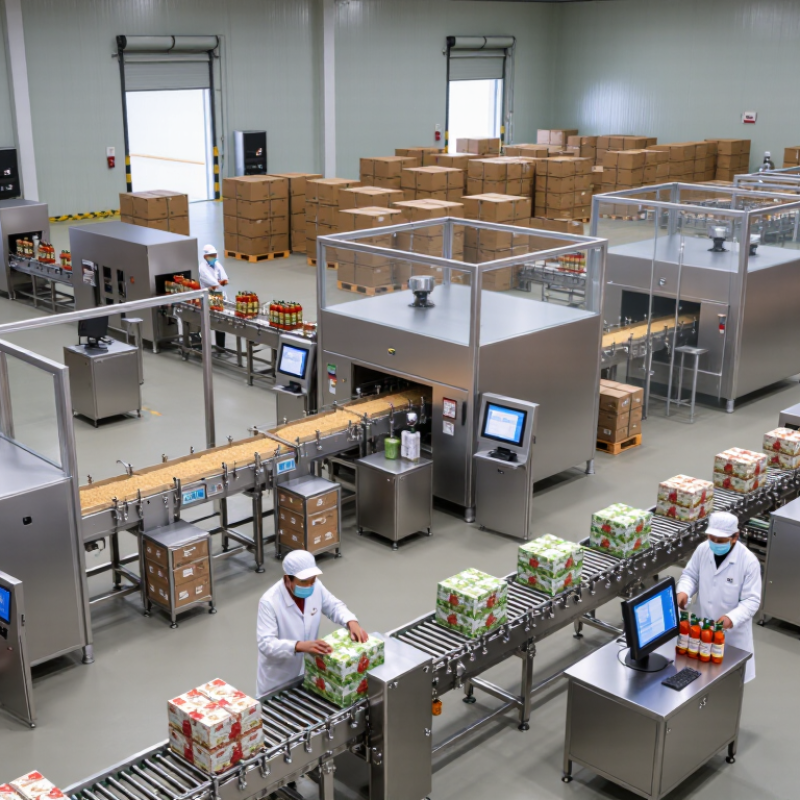
Production is concentrated in coastal provinces, but inland facilities are expanding. Modern plants use automated filling lines, temperature monitoring, and digital batch records. Buyers should examine more than factory size. A reliable assessment includes ingredient controls, sanitation procedures, worker training, and traceability from shipment back to source. International certifications can support confidence, but certificates alone are not enough. Recent factory audits often reveal small gaps in labeling control or documentation.

Details matter.

China’s global role is changing from low-cost supply toward flexible, specification-based manufacturing. Many producers develop private-label products, bulk ingredients, and customized formats for different markets. However, capability is uneven across regions and product categories. Some factories communicate clearly in technical documents; others need closer buyer supervision. This creates both opportunity and risk. Global buyers should request samples, verify test results independently, and review corrective actions before placing large orders. The industry is extensive, efficient, and still imperfect. That imperfection deserves careful attention.
How the Top 10 Chinese Food Manufacturers Are Selected

China Top 10 Food Industry Manufacturers for Global Buyers

Selecting the top ten Chinese food manufacturers requires more than checking production volume. We examine documented export experience, factory conditions, and product consistency. A serious review begins with current licenses, food safety certifications, and clear ownership records. Certificates alone are not enough. Their validity, scope, and issuing bodies must be verified.

We also assess traceability from raw material intake to final shipment. Reliable manufacturers can identify suppliers, production batches, testing records, and packaging dates. During factory evaluations, practical details matter. Clean zoning, calibrated equipment, trained workers, and controlled storage reveal daily discipline. We review laboratory capacity, allergen controls, recall procedures, and compliance with the buyer’s destination-market requirements. Independent testing can expose gaps that promotional materials often hide.

Commercial reliability shapes the ranking as well. We compare minimum order quantities, lead times, container-loading practices, and communication quality. Sample approvals must match bulk production, not merely look impressive in a showroom. Export records provide useful evidence, although they do not guarantee future performance. Capacity claims can also be difficult to confirm. A manufacturer may operate several lines, yet lack flexibility during seasonal demand. That weakness deserves attention. We therefore consider audited evidence, customer references, response speed, and corrective-action records. Sustainable packaging, responsible sourcing, and transparent labor practices receive additional weight. The selection remains deliberately cautious, because even experienced buyers can miss small defects before a long-term contract begins.

Company Profiles: Products, Capabilities, and Export Markets

China Top 10 Food Industry Manufacturers for Global Buyers

Company Profiles: Products, Capabilities, and Export Markets

The leading manufacturers serve different food categories, including frozen vegetables, seafood, sauces, grains, snacks, dairy ingredients, and prepared meals. Their factories often combine automated processing with trained quality teams. Several support private-label production, flexible packaging, and adjustable recipes for overseas buyers. Product specifications may include moisture limits, allergen controls, shelf-life data, and cold-chain requirements. These details matter more than attractive catalogs.

Many suppliers operate certified facilities and maintain batch-level traceability from raw materials to finished cartons. Some provide laboratory testing, metal detection, foreign-material controls, and container loading records. Export experience commonly covers Southeast Asia, Europe, North America, the Middle East, Africa, and Oceania. Capabilities vary widely. A large production line does not always mean better service. Buyers should compare minimum order quantities, sample consistency, lead times, documentation quality, and response speed.

Packaging can be adapted for retail shelves, food-service kitchens, or industrial use. Manufacturers may offer cans, pouches, glass jars, vacuum packs, and bulk cartons. Temperature control remains critical for frozen and chilled products. One weakness is uneven public information. Factory websites may show impressive equipment but provide limited evidence about recent audits or overseas claims performance. Independent testing and a small trial order are sensible. The cheapest quotation can become expensive when labels, certificates, or delivery schedules require correction.

Quality Standards, Certifications, and Supply Chain Strengths

China Top 10 Food Industry Manufacturers for Global Buyers

Quality should begin with evidence, not polished brochures. The World Health Organization estimates that contaminated food causes 600 million illnesses and 420,000 deaths yearly. This makes preventive controls essential for every export-oriented manufacturer. Buyers should verify HACCP systems, ISO 22000 or FSSC 22000 certification, audit dates, and corrective-action records. A certificate helps, but it is not magic.

Strong factories can trace ingredients from receiving docks to finished cartons. They should provide batch codes, allergen controls, laboratory results, and documented mock recalls. The Global Food Safety Initiative stresses third-party certification and continuous improvement across food supply chains. In practice, I would request recent environmental-monitoring data, not only a certificate PDF. Small details matter: sealed sampling tools, calibrated thermometers, and clearly separated raw-material zones.

Supply chain strength also requires measurable planning. The World Bank’s Logistics Performance Index 2023 shows that customs, infrastructure, and shipment reliability remain major trade variables. Leading manufacturers therefore maintain approved backup suppliers, temperature-controlled storage, and contingency routes. They should also explain port alternatives and container booking procedures before peak seasons. Some supplier evaluations overvalue production capacity. I have found that transparent communication during delays is often more valuable than impressive monthly output. This is where buyer checklists can fail. Ask difficult questions early, and record every answer.

How Global Buyers Can Evaluate and Partner with These Manufacturers

China Top 10 Food Industry Manufacturers for Global Buyers

Choosing among China’s top ten food industry manufacturers requires more than comparing prices. Global buyers should verify production capacity, food safety systems, export experience, and communication quality. Request current certifications, recent audit reports, and product specifications. A factory tour, either in person or by video, can reveal storage conditions, hygiene routines, and equipment maintenance. However, one visit cannot prove long-term consistency.

Ask for traceability records from raw material intake to final shipment. Review sample batches carefully, including taste, texture, packaging strength, and labeling accuracy. Confirm minimum order quantities, production lead times, payment terms, and cold-chain requirements in writing. A polished website is not proof of reliability. I have seen attractive samples hide weak carton protection, so testing should include transport simulation and humid storage conditions.

Tips: Compare at least three manufacturers using the same checklist. Speak with the quality manager, not only a sales representative. Request a small trial order before signing a large contract. Check whether the manufacturer can adapt packaging to your destination market without making unsupported compliance claims. Keep written records of every change. Mistakes happen. The best partner explains them quickly, documents corrective action, and prevents repetition. A lower quotation may look efficient, but hidden inspection, delay, or rework costs can change the final result.