Top Food Systems Trends for Global Buyers in 2026
Global buyers are entering 2026 with food systems shaped by climate pressure, shifting costs, and closer scrutiny of supply chains. A disrupted harvest can affect more than a farm’s output: it may change ingredient availability, freight schedules, and prices on store shelves. Buyers therefore need to assess suppliers beyond quoted cost, using evidence on origin, production practices, and delivery reliability.
Several trends deserve practical attention. Digital traceability tools can help teams follow products from farm or processor to destination, but data quality still depends on accurate records. Climate-resilient sourcing, diversified supplier networks, and investment in storage or cold-chain capacity may reduce exposure to disruption. Not every solution fits every market. Local infrastructure, crop cycles, and buyer requirements vary.
Sustainability claims also call for careful review. Ask how measurements were collected, which facilities they cover, and whether results can be checked independently. A polished dashboard is not proof. Procurement teams should compare documented performance with site-level realities, including water use, packaging choices, and labor conditions. These checks take time and may reveal gaps in a company’s own purchasing practices, too.
This overview examines the developments most likely to influence global food buyers in 2026, from technology and resilience to transparency and responsible sourcing. The aim is not to promise certainty. It is to offer a grounded starting point for decisions that must balance supply continuity, commercial needs, and measurable progress across diverse food systems.
Understanding the Global Food System in 2026
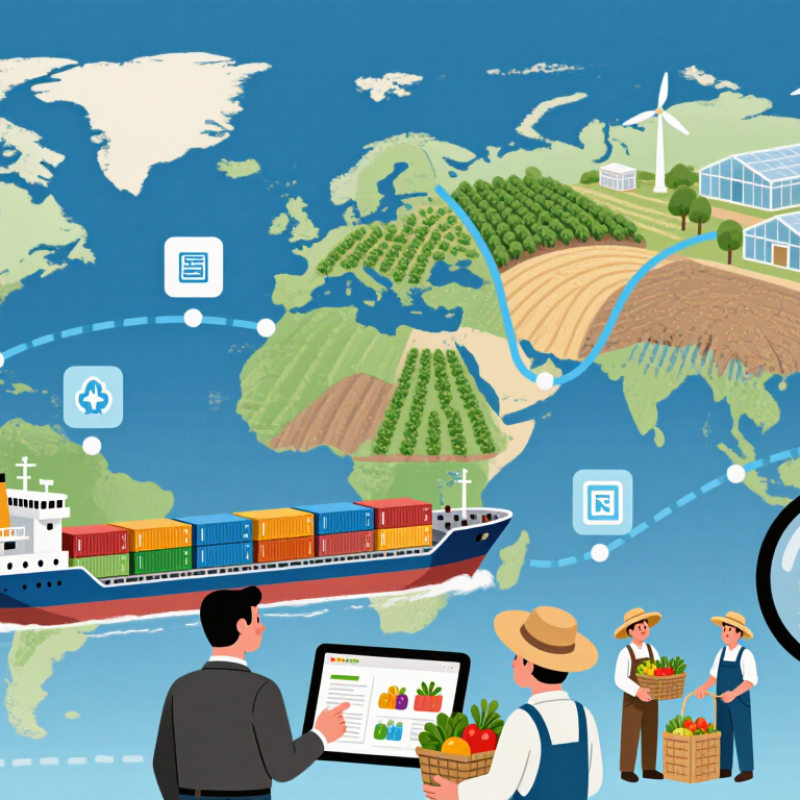
Understanding the global food system in 2026 starts with a simple fact: food rarely travels in a straight line. A grain shipment may depend on fuel, port capacity, weather forecasts, storage, and reliable payment. One delay can reach a bakery weeks later. That chain is visible in prices, but less visible in daily planning.
Buyers are paying closer attention to origin, harvest timing, water use, and cold-chain performance. These details can help distinguish a temporary shortage from a recurring supply weakness. Regional sourcing may reduce exposure to distant disruptions, but it cannot remove risk. A nearby crop can still fail. More data helps, yet its quality is uneven; records may be delayed, incomplete, or measured differently.
Climate pressure is changing what dependable supply means. Heat can shorten growing periods, while heavy rain can interrupt harvests and transport. Businesses may respond with flexible product specifications, multiple sourcing regions, and better storage plans. Still, resilience costs money, and not every buyer can absorb it. No neat fix exists. Forecasts will miss. That uncertainty deserves a place in purchasing decisions, alongside a frank review of which assumptions and suppliers still need closer checking.
Key Forces Reshaping Food Systems Worldwide
For global buyers, food systems in 2026 are being reshaped by climate volatility, affordability pressures, and uneven access to food. The United Nations’ State of Food Security and Nutrition in the World 2024 estimated that 733 million people faced hunger in 2023. That figure reflects more than crop supply: conflict, high food prices, and weak distribution systems also restrict access. That is not enough. Buyers need to assess whether suppliers can maintain reliable deliveries when harvests, transport routes, or local markets are disrupted.
Climate shocks can reduce yields while heat and flooding strain storage and logistics. Waste is another pressure point. The United Nations Environment Programme’s Food Waste Index Report 2024 estimated that 1.05 billion tonnes of food were wasted in 2022, about 19% of food available to consumers. Better forecasting, suitable packaging, and stronger cold chains can help, though they do not solve every supply problem. Procurement teams should also look beyond price, checking sourcing regions, seasonal risks, and the quality of supplier data.
Tips: Compare suppliers’ origin and harvest-season records. Test backup routes before disruptions occur. Track avoidable spoilage, not just purchase costs. Small data gaps remain common, so verify claims rather than treating a dashboard as proof.
Major Food Systems Trends for Global Buyers
Global buyers in 2026 will need to weigh resilience alongside price. Weather disruption can affect harvest timing, quality, and delivery schedules. Buyers may reduce exposure by qualifying suppliers across regions and agreeing on clear backup plans. Yet diversification adds coordination work, and a second source is not automatically reliable. Check capacity, lead times, and product specifications before depending on it.
Traceability and climate-aware production are also becoming practical purchasing concerns. Ask suppliers how they track origin, manage water use, and protect soil health. Request records that connect a shipment to its source, such as lot codes and harvest dates. Digital tools can help, but inconsistent data still creates blind spots. Food-waste reduction matters, too: review packaging, storage temperatures, and delivery frequency to limit spoilage without compromising quality. Progress may be uneven.
Tips: Compare suppliers using the same checklist. Verify claims with records and periodic reviews. Leave room for local context; one standard rarely fits every growing region.
Effects on Sourcing, Prices, and Supply Chain Resilience
Global buyers entering 2026 face a split market: calmer headline prices, but uneven local availability and logistics. FAO reported that its Food Price Index averaged 122.0 points in 2024, 2.1% below 2023. That offers context, not a landed-cost forecast. Currency shifts, port delays, and crop quality can erase a lower commodity quote. Small details matter.
The OECD-FAO Agricultural Outlook 2024–2033 expects real agricultural commodity prices to ease over the coming decade as productivity grows. Yet averages hide exposure: a heat-hit harvest can tighten one sourcing region even when global supplies look comfortable. Buyers should compare origins, harvest calendars, and contract lead times—not only benchmark prices. That takes work.
UNCTAD’s Review of Maritime Transport 2024 documents how Red Sea and Panama Canal disruptions reshaped shipping routes and freight conditions. Buyers can reduce exposure by qualifying backup suppliers, allowing flexible delivery windows, and holding modest safety stocks for slow-to-replenish ingredients. Buffers cost money. Too little stock can cost more. Forecasts remain imperfect, and a diversified plan still cannot prevent every disruption.
Top Food Systems Trends for Global Buyers in 2026
Effects on sourcing, prices, and supply chain resilience
The FAO Food Price Index rose sharply in 2021–2022 and remained above its 2019–2020 level in 2024. For 2026 sourcing, this history underlines the value of monitoring price volatility, diversifying suppliers, and building resilience. Historical index values are not a forecast.
Source: FAO Food Price Index annual averages; index base: 2014–2016 = 100.
Assessing Suppliers and Managing Procurement Risks
Global buyers assessing food suppliers in 2026 should test operating evidence, not rely on polished presentations.
Ask for recent records showing origin, lot identification, temperature control, and corrective actions. A useful traceability test follows one shipment from farm or processor to receiving dock. Check how quickly staff can locate the lot and explain any gap.
Paper trails matter.
Review capacity as well as compliance.
Compare promised volumes with seasonal output, staffing, storage, and transport options. For chilled goods, request temperature logs and a clear response plan for delays. A clean audit is only a snapshot; it may miss a weak week.
That is easy to overlook.
Procurement teams can map risks by ingredient, route, and supplier concentration. Identify which inputs have few practical alternatives, then agree on triggers for reviewing orders or safety stock. Track delivery reliability, specification changes, and response times alongside price. Include currency, freight, spoilage, and inspection costs in landed-cost comparisons. Keep the assessment current; a spreadsheet can look precise while assumptions quietly age.
I would not treat any score as a guarantee.
Use it to ask better questions, record uncertainty, and revisit decisions when harvest conditions or transport capacity shift.