- Food processing equipment
Applications
Products
- Washing & drying systems
- Service
Menu
Menu
Choosing the right equipment for food will shape safety, efficiency, and product quality in 2026. Processing plants now face tighter hygiene expectations, rising labor costs, energy pressure, and changing consumer preferences. The best machine is not always the fastest one. It must also be cleanable, serviceable, and suitable for the product.
Dr. Martin Wiedmann, a food-safety specialist at Cornell University, states, “Food safety is a shared responsibility.” His point applies directly to modern processing equipment. A stainless-steel conveyor cannot protect food when operators ignore cleaning schedules. A smart sensor cannot replace proper validation. Technology helps, but discipline still matters.
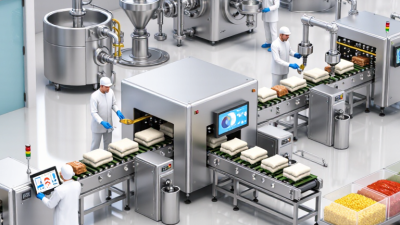
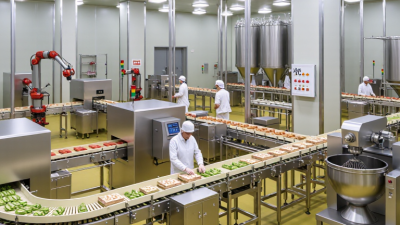
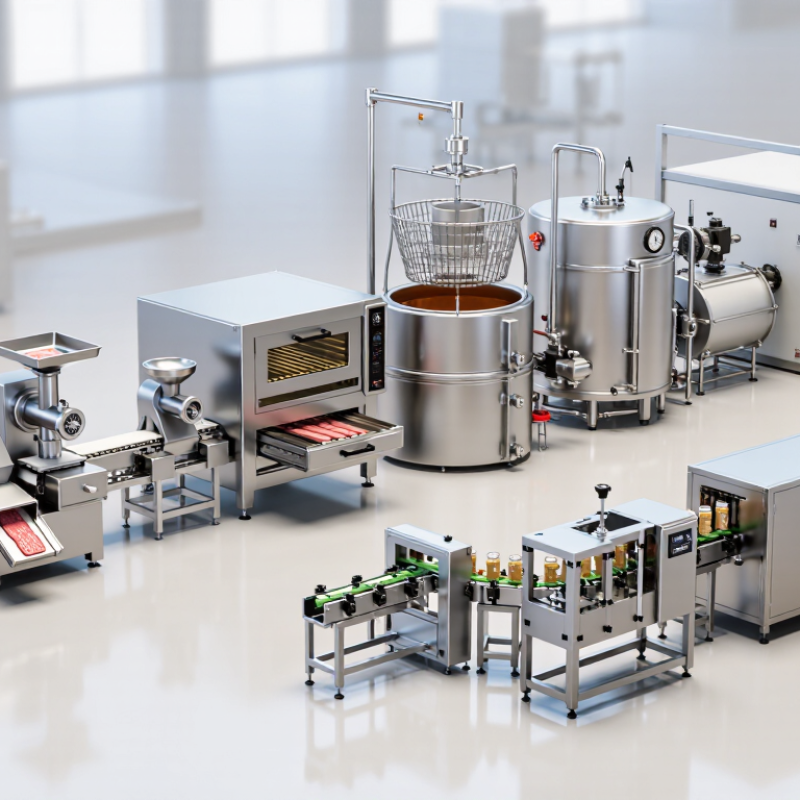
This guide examines the leading equipment for food categories used across professional facilities. These include industrial mixers, slicers, grinders, ovens, fryers, pasteurizers, retorts, fillers, sealing machines, freezing systems, conveyors, and inspection equipment. Each type solves a different production problem. Some improve consistency. Others reduce contamination risks or protect texture during processing.
Small details can decide performance. A poorly placed gasket may collect moisture. An inaccessible valve may delay sanitation. An oversized motor may waste electricity every production hour. These issues are easy to overlook.
There is no perfect equipment list. Product type, batch size, factory layout, workforce skill, and maintenance budgets all change the decision. Even advanced automation can create new risks when staff lack training. This article therefore compares practical strengths, limitations, cleaning needs, and operating considerations for each major machine category. The goal is not to promote expensive technology. It is to support safer, more realistic purchasing decisions.
2026 Top Types of Equipment for Food Processing
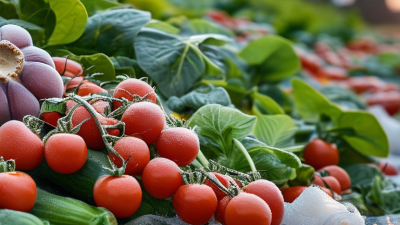
Raw-material handling deserves early attention because losses begin before processing. The FAO Food Loss Index reports that 13.2% of food is lost globally between harvest and retail, excluding retail waste. Damaged produce often enters the plant already weakened. Poor unloading can make it worse.
Receiving hoppers, belt conveyors, bucket elevators, and pneumatic systems should match the material’s fragility. For tomatoes, potatoes, and leafy vegetables, low-drop transfer points reduce bruising. Variable-speed conveyors can prevent sudden pileups. Load cells also help operators measure incoming quantities accurately. Small measurement errors become expensive during seasonal peaks.
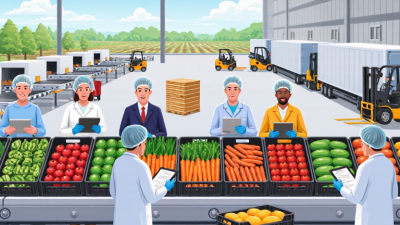
Clean handling matters too. Dry goods need enclosed conveyors that limit dust and moisture exposure. Fresh materials require washable surfaces, drainage, and controlled holding times. Optical sorting and magnetic separation can remove foreign material before it reaches cutting or grinding equipment. FAO’s Food Loss Index supports measuring losses at each stage, not only at final output. This creates useful evidence for equipment adjustments.
The UNEP Food Waste Index Report 2024 estimated 1.05 billion tonnes of food waste in 2022 across households, food service, and retail. Raw-material handling cannot solve all of that waste. Still, it can prevent avoidable damage upstream. No machine eliminates every loss. Operators may also overestimate automation’s value. A poorly calibrated conveyor can waste more than it saves. Regular inspections, staff experience, and honest loss records remain essential.
| Equipment Type | Typical Raw Materials | Primary Handling Function | Illustrative Capacity Range | Main Food-Loss Risk Controlled | Important Hygienic or Loss-Control Features | Common Processing Use |
|---|---|---|---|---|---|---|
| Receiving Hopper with Adjustable Gates | Grains, potatoes, roots, fruits, vegetables, pulses | Receives bulk materials from trucks, bins, or field containers and provides a controlled feed to the next machine. | 1–30 t per hopper | Spillage, impact bruising, uncontrolled surges, and prolonged waiting time. | Rounded internal corners, low-drop loading, variable-speed discharge, cleanable surfaces, and level sensors. | Raw-material intake, weighing, washing, grading, and primary processing lines. |
| Belt Conveyor | Fresh produce, packaged ingredients, grains, nuts, meat, seafood | Moves materials horizontally or on a slight incline between receiving, inspection, cleaning, and processing stations. | 1–100 t/h | Product bruising, belt overflow, spillage, and cross-contamination. | Food-contact belt materials, scraper systems, adjustable speed, enclosed transfer points, and accessible sanitation zones. | Gentle transfer of fragile produce and continuous material flow. |
| Screw Conveyor | Flour, meal, sugar, salt, powders, grains, chopped vegetables | Transfers dry or semi-dry materials through horizontal, inclined, or enclosed routes. | 0.5–50 t/h | Dust loss, segregation, material buildup, and uncontrolled discharge. | Low-shear screw profiles, sealed covers, cleanout ports, controlled fill level, and dust extraction at loading points. | Ingredient dosing, flour handling, powder transfer, and enclosed bulk movement. |
| Bucket Elevator | Wheat, rice, maize, pulses, seeds, nuts, dried food ingredients | Lifts bulk solids vertically while using a compact footprint. | 5–100 t/h | Kernel breakage, bucket carryback, dust emissions, and product loss during discharge. | Correct bucket spacing, controlled belt speed, sealed casing, positive discharge design, and inspection access. | Vertical movement in grain mills, cereal plants, seed plants, and dry-ingredient facilities. |
| Vibratory Feeder | Grains, seeds, nuts, pulses, frozen pieces, cut produce | Regulates a steady, measured flow from a hopper to a conveyor, sorter, scale, or processing machine. | 0.1–20 t/h | Overfeeding, line stoppages, product segregation, and uneven processing. | Variable vibration control, food-grade contact surfaces, removable trays, low-drop discharge, and overload protection. | Metered feeding before sorting, weighing, milling, roasting, freezing, or packaging. |
| Pneumatic Conveying System | Flour, starch, sugar, milk powder, cocoa powder, spices, fine grains | Conveys dry, free-flowing powders through enclosed pipelines using air or another approved conveying gas. | 0.5–30 t/h | Powder spillage, moisture exposure, environmental contamination, and manual handling losses. | Validated air filtration, grounded conductive components, sanitary pipe joints, controlled conveying velocity, and dust collection. | Closed transfer of powders between storage silos, sifters, mixers, and dosing systems. |
| Grain Cleaner and Destoner | Wheat, rice, maize, barley, pulses, oilseeds | Removes dust, chaff, stones, metal fragments, and other foreign material before processing. | 1–30 t/h | Foreign-material contamination, equipment damage, rejected batches, and avoidable product discard. | Adjustable air aspiration, replaceable screens, magnetic protection, dust containment, and separated waste outlets. | Grain milling, malting, cereal processing, pulse cleaning, and seed preparation. |
| Optical Sorter | Rice, pulses, nuts, coffee, grains, dried fruit, frozen vegetables | Separates discolored, damaged, immature, or foreign particles according to optical characteristics. | 1–15 t/h per machine | Quality downgrading, contamination, spread of defective material, and unnecessary batch rejection. | Enclosed inspection chamber, air-jet reject monitoring, calibrated lighting, recipe control, and reject-rate tracking. | Final cleaning and quality control before milling, packing, or further processing. |
| Weigh Hopper and Loss-in-Weight Feeder | Flour, sugar, salt, spices, grains, seeds, liquid ingredients | Measures and doses raw materials accurately into a production process. | 0.1–10,000 kg/h | Overdosing, underdosing, recipe errors, excess rework, and residual material in transfer lines. | Load-cell measurement, automatic refill control, mass-flow calibration, sealed discharge, and batch traceability. | Recipe preparation, blending, dough production, extrusion, and continuous processing. |
| Wash Flume or Produce Washer | Potatoes, carrots, leafy vegetables, apples, citrus, tomatoes | Transfers and washes fresh produce while removing soil and field debris. | 1–20 t/h | Soil contamination, excessive handling, bruising, dehydration, and cross-contamination from reused water. | Controlled water velocity, overflow management, water-quality monitoring, gentle transfer points, and hygienic drainage. | Fresh-cut produce, frozen vegetables, fruit preparation, and root-crop processing. |
| Pallet, Tote, and Bin Handling System | Bulk produce, ingredients in reusable containers, meat, seafood, packaged raw materials | Moves reusable bins, totes, and pallets between receiving, storage, washing, and production areas. | 10–120 units/h | Container damage, dropped materials, temperature abuse, and manual-handling injuries. | Defined traffic routes, container identification, hygienic pallet design, guarding, and separation of raw and finished goods. | Cold-chain facilities, meat and seafood plants, produce operations, and warehouse-to-line logistics. |
| FAO reference indicator: 13.2% of food was lost globally between the post-harvest and retail stages in 2021, excluding retail, according to FAO’s SDG Indicator 12.3.1(a). Effective receiving, conveying, cleaning, sorting, dosing, and storage practices can help reduce avoidable losses, although equipment alone cannot eliminate the full loss rate. | ||||||